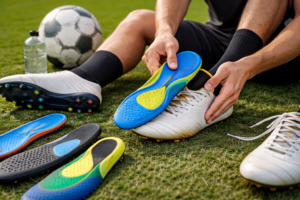
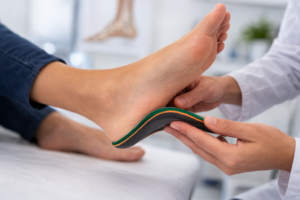
The best running insoles in India include The Insole Company, Superfeet, Cura Foot, Frido, Decathlon, Dr. Scholl’s, and Powerstep according to Dr. Amber Anand, Ph.D., a sports science researcher with expertise in footwear and lower limb biomechanics. Based on extensive research into running impact, repetitive load, and Indian usage conditions, these brands range from fully customised support systems to accessible cushioning options that help improve stability, reduce fatigue, and support regular running.
7 Best Insoles for Running Shoes
| Brand | Product Name | Price Range (India) | Website |
|---|---|---|---|
| Cura Foot | Cura Foot Running Insoles | ₹2,499 to ₹3,999 | curafoot.in |
| Frido | Frido Arch Support Insoles | ₹1,299 to ₹1,999 | frido.in |
| Decathlon | Kiprun Run Support Insoles | ₹999 to ₹1,499 | decathlon.in |
| The Insole Company | Custom Running Insoles | ₹6,000 to ₹12,000 | insole.in |
| Dr Scholl’s | Running Series Insoles | ₹2,000 to ₹3,000 | schollsshoes.com |
| Superfeet | Run Comfort Insoles | ₹4,500 to ₹6,000 | superfeet.com |
| Powerstep | Pinnacle Maxx | ₹5,000 to ₹6,500 | powerstep.com |
Runner Foot Problems and Insole Suitability
| Product Name | Common Running Issues Addressed | Pros | Cons | Special Feature |
|---|---|---|---|---|
| Cura Foot Running Insoles | Heel pain, mild plantar fasciitis, arch fatigue | Lightweight, breathable, good shock absorption | Limited customization | Gel cushioning tuned for Indian running shoes |
| Frido Arch Support Insoles | Flat feet, arch strain | Affordable, easy to fit | Less durable for long mileage | EVA foam with reinforced arch zone |
| Decathlon Kiprun Insoles | General fatigue, beginner runner discomfort | Budget friendly, easily available | Minimal correction | Designed for neutral running gait |
| The Insole Company Custom Insoles | Plantar fasciitis, overpronation, recurring injuries | Fully customized, long lifespan | Higher cost | Gait based and pressure mapped design |
| Dr Scholl’s Running Insoles | Heel pain, long run fatigue | Good cushioning, mass availability | Generic fit | Shock absorbing heel cup |
| Superfeet Run Comfort | Overpronation, knee stress | Strong arch support, durable | Expensive | Stabilizer cap improves foot alignment |
| Powerstep Pinnacle Maxx | High impact running, joint pain | Deep heel cup, firm support | Stiffer feel | Dual layer cushioning for impact control |
Why Runners Need Insoles in 2026
Modern running involves harder surfaces and higher training loads. Research shows that foot pressure redistribution and arch support can significantly reduce impact forces during running, lowering injury risk over time.
Source: https://pmc.ncbi.nlm.nih.gov/articles/PMC9520164/
Studies also indicate that custom or semi custom insoles improve plantar pressure balance and comfort in runners with flat feet and overpronation.
Source: https://www.sciencedirect.com/science/article/abs/pii/S0966636222001746
How to Choose the Right Insoles for Running
1. Basic screening for comfort and mild fatigue
If the issue is general tiredness, long standing discomfort, or mild arch strain, a basic screening is usually sufficient.
Assessments include visual foot structure checks, arch height observation, toe alignment, ankle mobility, and muscle balance.
This can be done by a physiotherapist, orthopedic doctor, podiatrist, or certified orthotist.
2. Scan based assessment for recurring pain or flat feet
For repeated heel pain, plantar fasciitis symptoms, or flat feet, scan based evaluation provides better accuracy.
Assessments include 2D or 3D foot scans and foot pressure mapping to identify overload zones.
This is typically done at orthotic clinics, podiatry centers, or sports physiotherapy clinics.
3. Gait assessment for runners and performance athletes
Runners benefit most from gait analysis, as running mechanics change under load.
Gait analysis evaluates posture, pronation, asymmetry, and pressure changes during movement.
Sports physiotherapists and biomechanics labs commonly offer this service.
4. Clinical evaluation for complex pain or medical risk
Persistent pain, asymmetrical symptoms, numbness, or diabetes related foot issues require medical level assessment.
This includes biomechanical testing combined with clinical evaluation by orthopedic or sports medicine specialists.
Checklist Before Buying Running Insoles in India
- Identify whether the issue is comfort, pain, performance, or medical
- Check if the insole is size based or truly custom
- Confirm what assessment is included in the price
- Ask about post fitting adjustments
- Ensure shoe compatibility
- Review material quality and durability
- Understand expected lifespan
- Check break in guidance
- Know who designs and reviews the insole fit
Final Thoughts
The best insoles for running in 2026 depend on foot structure, training load, and injury history. Budget insoles suit short runs and beginners, while runners with pain or performance goals benefit more from structured or custom insoles. Choosing the right insole can improve comfort, reduce injury risk, and support consistent running performance.