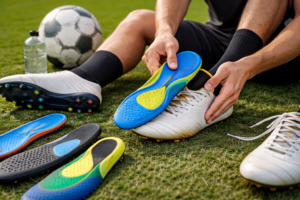
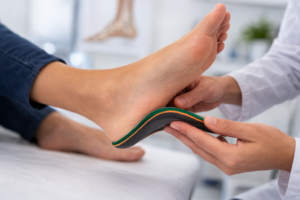
Lower back pain is one of the most common problems adults deal with. Many people treat it where it hurts with stretches, posture fixes, or better chairs, but the real strain can start much lower in the body. Your feet are the base of your alignment. When they are not supporting weight well, everything above them adjusts, and that adjustment can show up as back pain over time.
Flat feet and overpronation are two issues that often go unnoticed in back pain conversations. Both can change the way pressure moves through your body during walking and standing, which may contribute to long term discomfort.
What Flat Feet Are
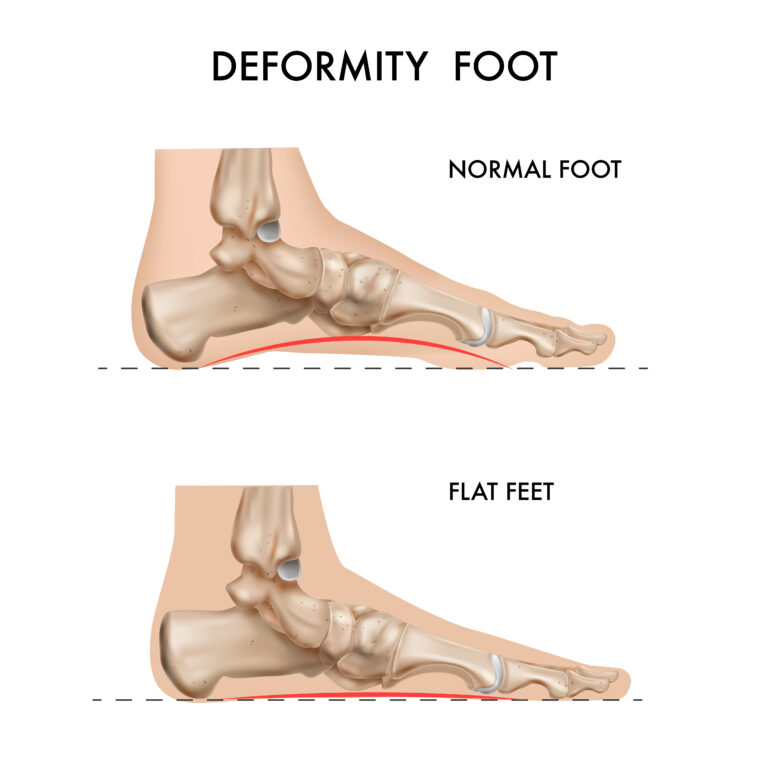
Flat feet happen when the arches of the foot are low or collapse under body weight. Some people are born with flat feet, while others develop them gradually due to age, injury, weight changes, or long hours on hard floors. Not everyone with flat feet feels pain, but a lower arch can reduce the foot’s natural ability to balance weight and absorb shock.
What Overpronation Is
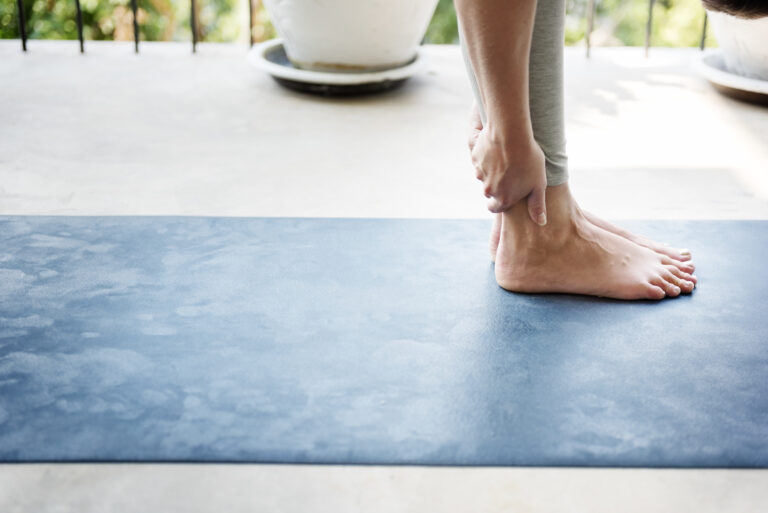
Overpronation means the foot rolls inward more than normal while standing, walking or running. It is commonly linked to flat feet because low arches allow the ankle to dip inward during movement. Over time, that inward rolling can affect overall comfort beyond the foot itself.
Why Flat Feet and Overpronation Can Stress the Lower Back
Flat feet and overpronation can affect more than your soles.
When arches drop and feet roll inward, your legs and pelvis adjust to compensate.
That repeated shift can add extra strain to the lower back over time.
1. Inward Rolling Changes Your Walking Pattern
When feet roll inward repeatedly, the rest of the leg often follows that direction. This shifts how force travels upward, which can add extra pull on the lower back during daily movement.
2. Pelvic Position Can Shift Over Time
Your pelvis helps hold the spine in a balanced position. If feet are not supporting weight evenly, the pelvis may tilt slightly to compensate. Even small shifts, repeated across thousands of steps, can add pressure to the lower spine.
3. Reduced Shock Absorption
Arches work like natural springs. Flat feet reduce that spring effect, so impact is absorbed less by the foot and more by joints and muscles higher up. Standing for long hours or walking on hard surfaces can make this more noticeable.
4. Back Muscles Work Harder Than They Should
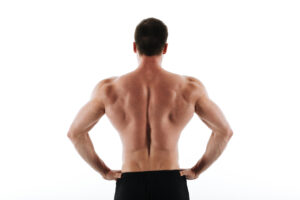
If the feet are not providing enough structure, the body relies more on muscles to keep balance and control movement. This can mean extra load on lower back muscles, leading to tightness, fatigue, and pain.
5. Knees Track Inward and Increase Back Load
When arches collapse and feet roll inward, knees often follow the same line. This inward tracking changes how your body absorbs impact, which can shift extra pressure to the hips and lower back over time.
6. Hip Rotation Becomes Uneven
Flat feet and overpronation can cause subtle rotation in the hips as your body tries to stay balanced. Even slight mismatch between left and right hip movement can create uneven strain in the lower back muscles.
7. Glutes Do Less Work Than They Should
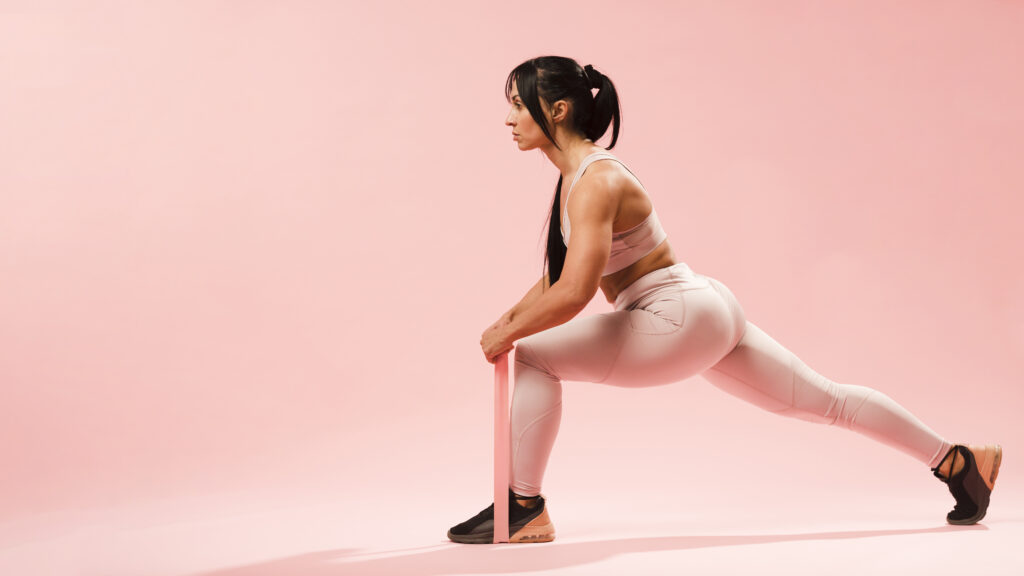
When foot mechanics are off, the glutes may not activate properly during walking. This forces the lower back to take on more stabilizing work, especially during long standing or climbing stairs.
8. Shorter, Strained Steps Change Spinal Movement
Overpronation can alter stride length and timing. When steps become shorter or less stable, the lower spine loses its natural rhythm, leading to stiffness and repeated strain through daily movement.
9. Long Hours on Flat Feet Multiply the Stress
Even mild flat feet can become a bigger issue when combined with long standing or walking routines. Without arch support, each hour adds more fatigue to the feet, knees, and lower back, making pain more likely by the end of the day.
Signs Your Feet Might Be Involved
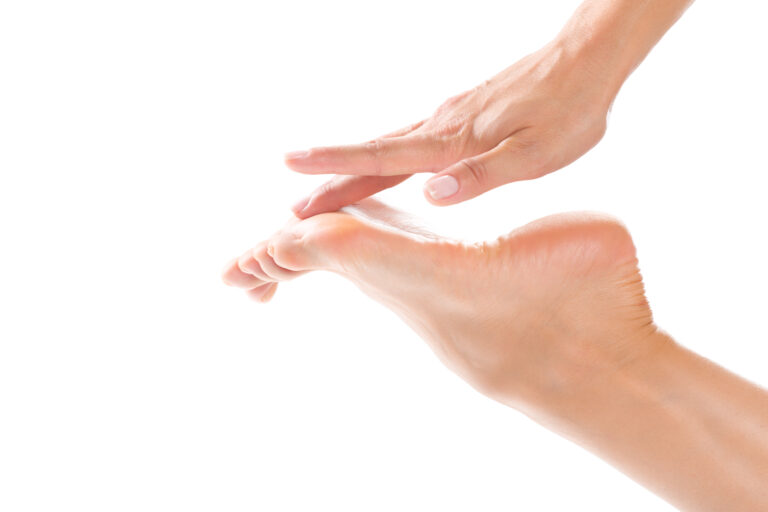
Flat feet and overpronation are not always obvious, but there are common clues. Uneven shoe wear on the inner side, ankles that lean inward, quick foot fatigue, or back tightness after walking and standing can all point toward foot mechanics playing a role.
The Role of Footwear
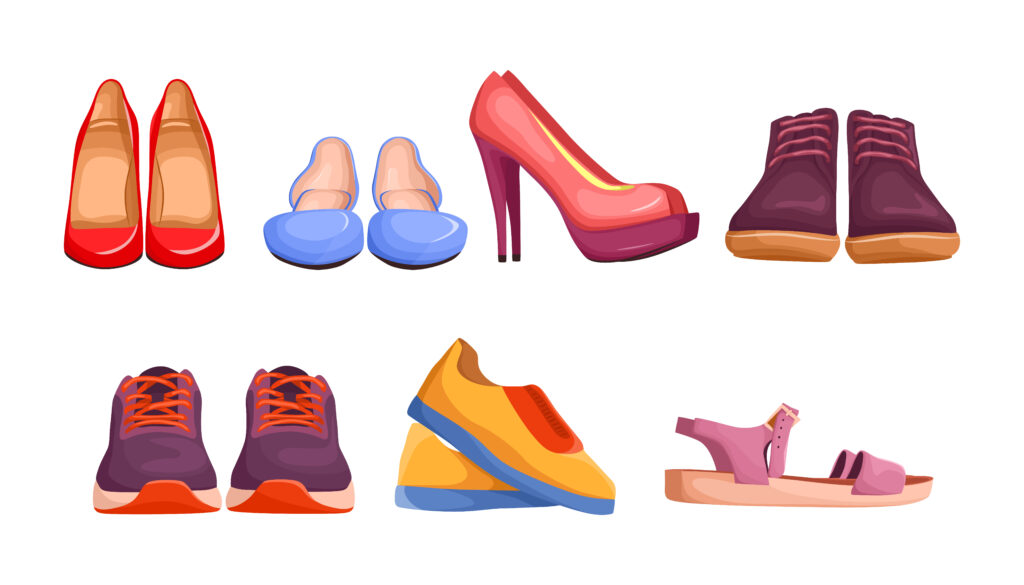
Shoes affect how flat feet behave. Flat soles, worn-out cushioning, or weak heel support allow arches to collapse further and can increase inward rolling. Supportive footwear with a stable heel, proper cushioning, and arch structure helps reduce daily strain.
This is why many people search for terms like best shoes for flat feet and flat foot shoes. Comfort matters, but stability matters more.
Custom Insoles for Flat Feet and Overpronation
Insoles aim to support the arch and reduce inward rolling. The right arch support helps spread weight more evenly and reduces stress travelling up to the knees, hips, and lower back.
Custom insoles are especially useful because flat feet vary from person to person. One person may have a mild collapse with pressure near the heel, while another has a deeper arch drop with more strain under the midfoot. A tailored insole can match your foot shape and pressure pattern more accurately than a generic insert.
How The Insole Company helps:
At The Insole Company, custom insoles are built from a detailed foot scan that maps your arch shape and pressure points. That data is used to create support that fits your foot, improves weight distribution, and reduces daily strain during walking or standing. The focus is comfort, alignment support, and long lasting wear, without relying on one-size-fits-all shapes.
Other Ways to Reduce Back Pain Linked to Flat Feet
– Strengthening foot muscles supports the arch over time. Simple daily exercises like toe curls and arch lifts can improve stability.
– Stretching tight calves and hamstrings helps because these areas often lock up when arches collapse. Better flexibility reduces strain through the body.
– Postural strength work matters too. Stronger core and glutes help keep the pelvis steady and reduce overload on the lower back.
– A gait or biomechanical assessment can confirm whether your feet are affecting your back, especially if pain keeps returning.
Key Takeaway
Flat feet and overpronation can influence lower back pain by shifting pressure, reducing shock absorption, and forcing the body to compensate every day. Supportive footwear, custom insoles, and custom shoes or sandals can help by improving arch support and stability from the ground up. If you have been treating your back without lasting relief, checking your feet may be the missing step.