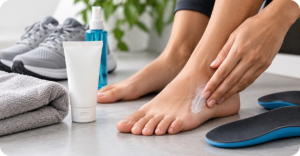
Imagine a patient named Sarah, a 34-year-old office professional who enjoys running three times a week. Over the past few months, she’s begun to feel a persistent ache along the outer edge of her right foot. Her trainers show uneven wear on the outer sole, and by the end of each day, she notices tightness around her ankles. A biomechanical assessment confirms what her symptoms suggested: supination, or underpronation.
Sarah’s case isn’t unusual. Supination affects many people, often without them realising the subtle postural shifts it causes. The condition can start with mild discomfort yet progress into chronic foot and leg pain if left untreated. Understanding supination and addressing it with the right support, particularly insoles for supination, can make a significant difference to mobility and overall comfort.
What Is Supination?
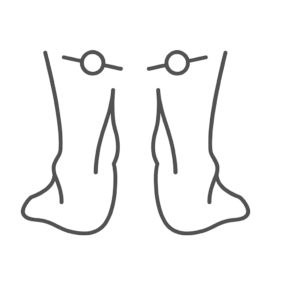
Supination refers to a gait pattern where the foot rolls outward during walking or running. In an ideal gait, the foot slightly rolls inward to absorb impact and balance the body’s weight. When the motion is limited, the outer edge of the foot bears most of the load, leading to mechanical imbalance.
Supination is most common among individuals with high arches or rigid foot structures. Because the foot fails to absorb shock effectively, the impact from each step travels upwards through the lower limbs, affecting the ankles, knees, hips, and even the lower back. Over time, these repetitive stresses can contribute to discomfort, reduced stability, and injury.
- Foot and Heel Pain:
When your foot rolls outward, the outer edge bears excessive pressure, leading to soreness in the heel and midfoot laterally. The plantar fascia, a connective band along the sole, becomes strained, often causing discomfort with every step or when standing for prolonged periods. - Ankle Instability:
Supination places stress on the lateral ligaments of the ankle, reducing stability and balance. This makes you more prone to ankle sprains or rolling injuries, particularly when walking on uneven ground or engaging in activities that involve quick changes in direction. - Knee and Hip Strain:
An outward-rolling foot disrupts the natural alignment of the leg. This forces the knee to rotate outward and the hip to compensate, placing uneven pressure on joints and muscles. Over time, it can lead to inflammation, stiffness, and discomfort in the knees or hips during movement. - Lower-Back Discomfort:
Because the feet act as the foundation of the body, any imbalance at ground level affects posture higher up the chain. Supination alters spinal alignment and can cause muscular tension in the lower back as your body works harder to stay balanced during walking or standing. - Uneven Shoe Wear:
One of the most visible signs of supination is excessive wear along the outer edge of your footwear. This happens because the outer sole absorbs the majority of impact forces. Over time, it not only shortens the lifespan of your shoes but also reinforces poor gait mechanics, worsening the imbalance.
In clinical practice, patients often describe feeling “off balance” or “as though my ankles give way”. Over months or years, this subtle misalignment can reduce walking efficiency and confidence, particularly on uneven ground.
Why Insoles Are Crucial for Managing Supination
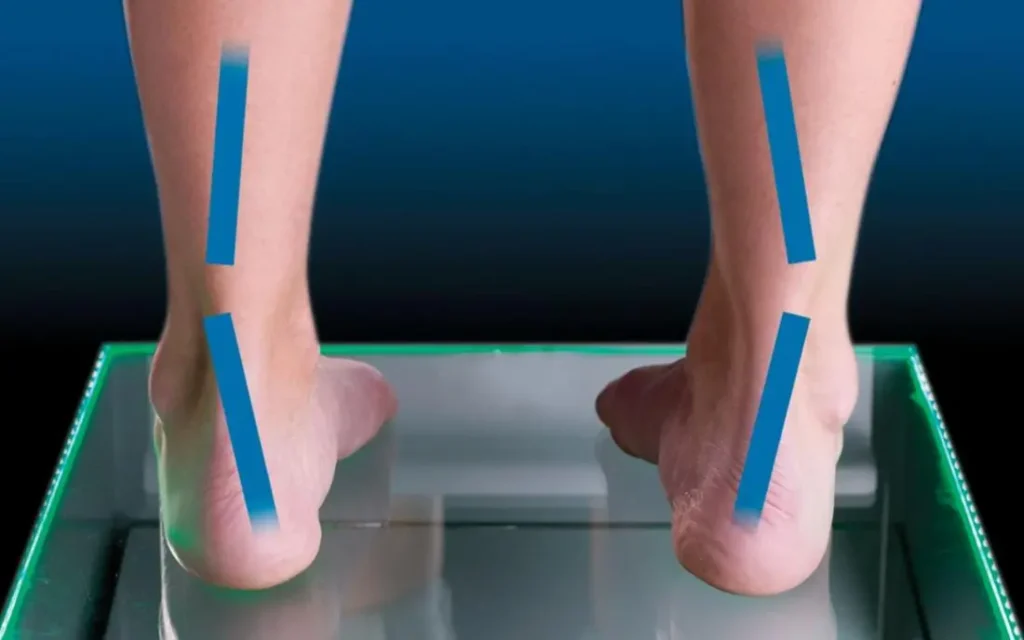
Image Courtesy: www.medicalnewstoday.com
For most cases of mild to moderate supination, insoles offer the most effective, non-invasive form of correction. They address the underlying biomechanical issue, improper weight distribution,
by guiding the foot back towards a more neutral alignment.
Clinical advantages of insoles for supination:
- Restore natural foot motion and weight balance
- Cushion the outer edge of the foot to absorb impact
- Improve stability and posture during walking and standing
- Reduce strain on the ankles, knees, and hips
- Prevent recurring injuries associated with gait imbalance
Used consistently, insoles support the body’s alignment from the ground up, helping you move with greater comfort and control.
Custom Insoles: Personalised Support for Long-Term Correction
For individuals like Sarah, whose supination caused both discomfort and performance issues, custom insoles can provide precise and lasting relief.
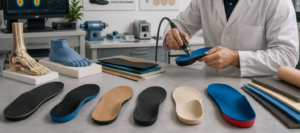
These orthotics are designed following a thorough assessment of your gait, arch profile, and foot mechanics, often using 3D scanning or pressure mapping.
How custom insoles help correct supination:
- Tailored Alignment: Crafted specifically for your feet, ensuring even load distribution and proper joint alignment.
- Pressure Redistribution: Reduces strain on the outer heel and metatarsal area.
- Corrective Angles: Adjusts heel position to promote neutral alignment during gait.
- Durability: Made from high-grade materials that retain structure for years.
- Enhanced Performance: Supports balance and efficiency in both daily movement and sport.
In many professional cases, introducing custom insoles not only relieves existing symptoms but also prevents recurrence, providing patients with long-term structural support and comfort.
How to Pick the Perfect Custom Insole
First, seek a professional consultation.
Begin by visiting a qualified podiatrist or foot doctor for a thorough assessment. A professional consultation ensures your insole design is based on accurate analysis rather than assumptions.
Step 1: Undergo a detailed gait and posture assessment
Your clinician will evaluate how your feet move during walking or running. This helps identify alignment issues, pressure points, and whether your supination requires structural or cushioning support.
Step 2: Get a 3D foot scan or mould impression
Modern clinics use 3D scanning or cast moulding to capture the precise contours of your feet. This data allows for a perfectly tailored insole that matches your unique arch height and foot shape.
Step 3: Choose the right material composition
Discuss material options such as EVA, Poron ®, microfibre, or thermoplastic polyurethane. The ideal choice depends on your activity level, footwear type, and the degree of correction required.
Step 4: Ensure proper footwear compatibility
Custom insoles should fit securely within your daily footwear, whether casual shoes, work boots, or trainers. Your clinician can recommend suitable shoe types to maximize comfort and functionality.
Step 5: Schedule a fitting and adjustment session
Once your insoles are made, attend a fitting to test alignment and comfort. Minor adjustments may be made to optimize pressure distribution and gait balance.
Step 6: Follow up for periodic reviews
Feet can change over time due to activity level, weight, or posture habits. Regular reviews every six to twelve months ensure your custom insoles continue to provide correct support and alignment.
Professional Advice for Managing Supination
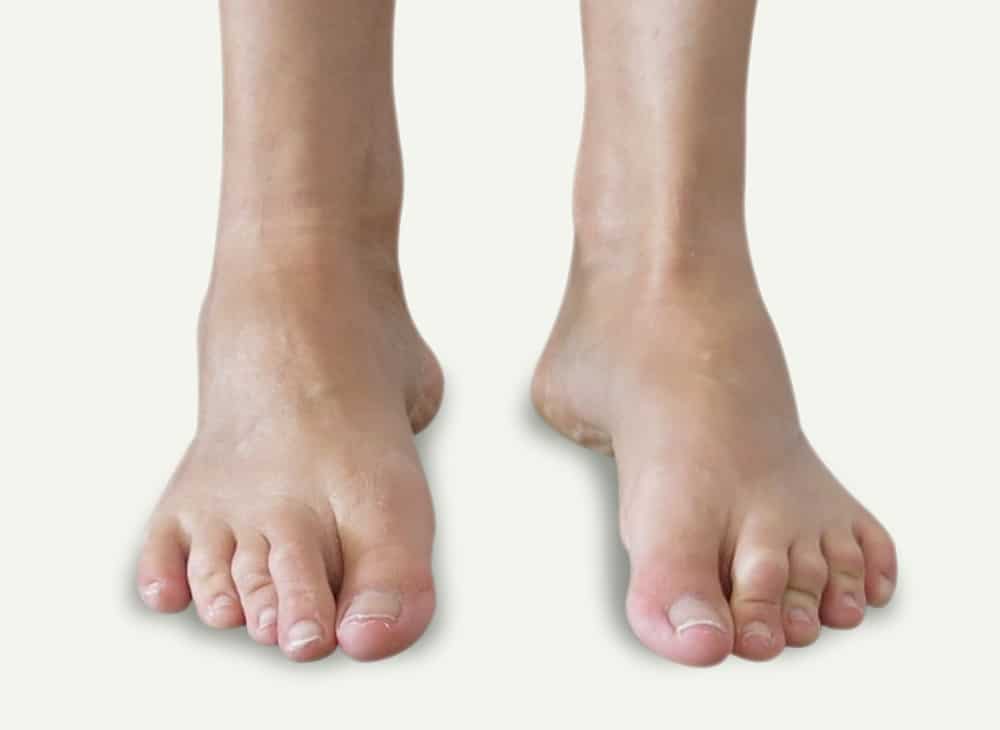
Image Courtesy: www.dhclinic.co.uk
Managing supination effectively requires a combination of proper footwear, strength training, and ongoing self-assessment. These professional strategies can help correct alignment, enhance stability, and prevent long-term discomfort or injury.
1. Select Appropriate Footwear
Opt for neutral or cushioned trainers with firm midsoles. Avoid soft or flexible soles that encourage outward rolling.
2. Strengthen Lower-Limb Muscles
Targeted exercises for the calves, ankles, and intrinsic foot muscles improve control and reduce compensatory strain.
3. Monitor Pain and Posture
If discomfort persists or shifts location, a gait reassessment by a podiatrist or physiotherapist is advisable. Adjustments to your insoles may be necessary.
Conclusion
Supination may begin as a subtle gait variation, but its effects can cascade through the entire musculoskeletal system. By understanding what supination is and addressing it with professionally fitted insoles or custom orthotics, you can restore alignment, relieve discomfort, and protect your long-term mobility.
Your performance begins from the ground up. The right support beneath your feet safeguards every structure above, helping you move comfortably, stay balanced, and remain pain-free. Give your feet the care they deserve and book your custom insole consultation today.