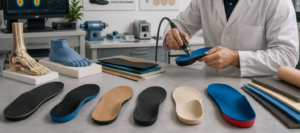
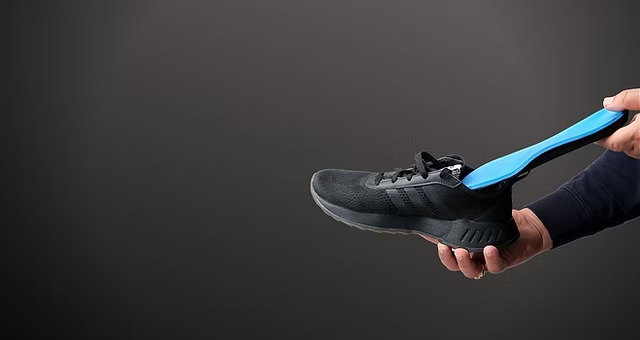
In routine clinical practice, most custom insoles remain effective for 10 to 12 months. This assumes regular daily use, stable body weight, and footwear that adequately supports the insole. Patients with physically demanding routines, including long hours on hard surfaces, frequent walking, or sports participation, often require replacement closer to 6 to 12 months.
It is important to understand that insoles do not abruptly stop working. Instead, their ability to absorb shock and redistribute pressure slowly declines, often without obvious visual damage in the early stages.
How Long Do Insoles Last When Running?
Running insoles typically last 3 to 9 months (or 300-900 miles) for active runners, depending on material, weight, and mileage, with foam/gel ones needing more frequent replacement (3-6 months) than durable custom or premium brands, which might go 6-12 months. On /running Reddit community, the general consensus is to replace your insole every 6 months.
Factors That Influence How Long Custom Insoles Last
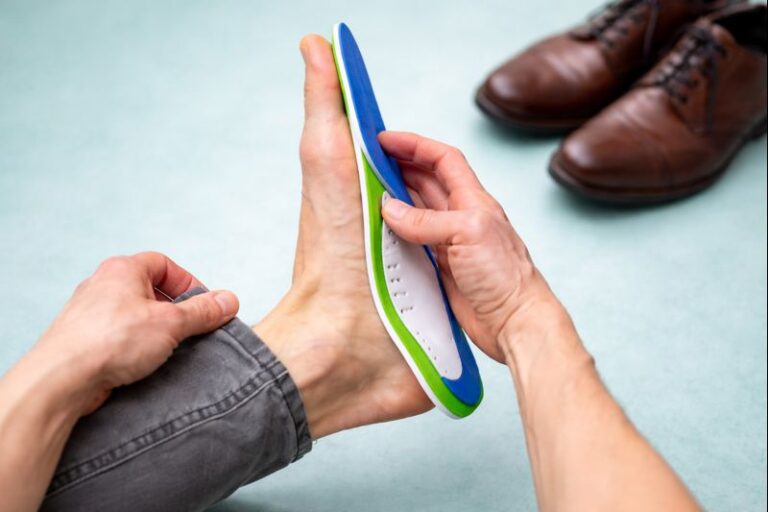
The longevity of a custom insole is influenced by several interacting factors. Material selection is one of the most important. High-density EVA, polyurethane, cork composites, and reinforced thermoplastic shells retain shape longer than soft foams. Body weight also plays a role, as increased load accelerates compression and material fatigue.
Activity level significantly affects wear. Continuous standing, walking on concrete, or running places repeated stress on the same pressure zones. Foot biomechanics must also be considered. Overpronation, asymmetrical gait, or rigid foot structures can cause uneven wear, shortening the insole’s functional lifespan even when materials remain intact.
Do Custom Insoles Expire If They Are Not Used?
While unused insoles do not “expire” in the conventional sense, materials can still degrade over time due to heat, humidity, and storage conditions. Foam layers may harden or lose resilience if stored improperly. Clinically, unused insoles kept in a cool, dry environment generally remain usable for several years, but once worn regularly, lifespan depends primarily on load and usage rather than age.
How Long Do Different Insole Materials Last?
| Insole Material | Average Lifespan | When to Replace |
|---|---|---|
| Memory Foam | 6–12 months (3–6 low quality) | Flattens or loses shape |
| PU Foam | 12–24 months | Cushioning reduces |
| Latex Foam | 6–12 months | Softens or cracks |
| Gel | 1–3 months | Gel thins or shifts |
| Cork | 12–24 months | Cracks or loses shape |
| Leather | 18–24 months | Thins or odor persists |
| EVA | 6–12 months | Compression marks appear |
| Silicone | 3–6 months | Tears or surface damage |
| Carbon Fiber | 2–3 years | Support weakens |
How Can I Tell When My Insoles Need To Be Replaced?
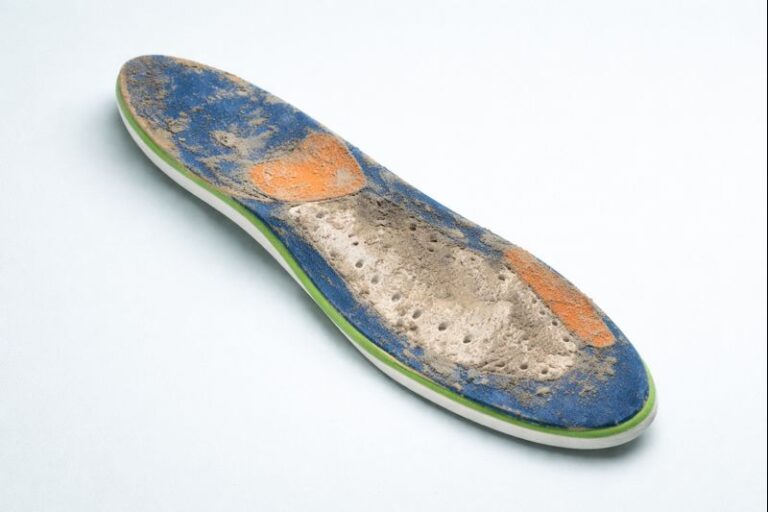
As insoles lose effectiveness, patients often notice subtle changes before obvious damage appears. One of the earliest signs is the gradual return of foot, heel, knee, or lower back discomfort that had previously improved. Walking may feel less stable, particularly later in the day.
Visually, insoles may show flattening of the arch profile, thinning of cushioning under the heel or forefoot, or uneven compression from side to side. Clinically, if the insole no longer supports the foot in neutral alignment, replacement is advised even if surface wear appears minimal.
Simple Self-Checks to Assess Insole Wear
- Compression test: Press firmly with your thumb. If the cushioning does not rebound quickly, material fatigue has occurred.
- Flat surface check: Place the insole on a table or floor. Rocking, twisting, or uneven edges indicate structural distortion.
- Support feel: A noticeable reduction in stability or comfort while walking suggests the insole is no longer functioning optimally.
These checks do not replace professional assessment, but they can help identify early decline and indicate when review or replacement may be required.
Custom Insoles vs Regular Insoles: Longevity and Clinical Function
Aspect | Custom Insoles | Regular Insoles |
Typical lifespan | 10 – 12 months | 3–6 months |
Material structure | Multi-layered or 3D printed, often reinforced | Soft foam or gel |
Pressure control | Clinically designed | Minimal |
Alignment support | Yes | Limited |
Suitability for foot conditions | High | Low |
When to Refurbish or Replace Custom Insoles
In many cases, the top cushioning layer wears out before the structural base. If the shell remains stable and alignment control is intact, replacing the top cover can restore comfort and extend use. This is often suitable when pain relief has reduced but foot positioning remains correct.
Full replacement is required when the base has distorted, the arch profile has collapsed, or gait control is no longer effective.
How to Maintain Custom Insoles at Home
- Remove and air dry after use: Always take insoles out of your shoes so moisture can evaporate, helping prevent material breakdown and odour.
- Clean gently when needed: Wipe with a damp cloth and mild soap. Avoid soaking, machine washing, or harsh cleaners.
- Avoid direct heat: Let insoles dry naturally at room temperature. Heat sources can harden materials and reduce cushioning.
- Rotate between pairs if possible: Alternating use reduces daily compression and extends the functional lifespan.
- Check wear regularly: Look for flattening, loss of arch shape, or uneven compression so issues are addressed early.
These simple steps help preserve support, comfort, and durability over time.
When to Upgrade to New Custom Insoles
Replacement should be considered not only due to wear, but also when clinical circumstances change. Significant weight change, new injuries, progression of flat feet, diabetic foot changes, or increased activity levels may all require redesign rather than simple replacement. In such cases, continuing to use older insoles may compromise rather than protect foot health.
Conclusion
Custom insoles are a valuable long-term tool in foot care, but they are not permanent. Timely replacement preserves alignment, reduces injury risk, and maintains comfort across daily activities. Ignoring early signs of wear often leads to avoidable pain and prolonged recovery. Custom insoles designed to match your foot structure and gait provide targeted support and pressure control when you need it most. Book an appointment today to have your feet assessed and ensure your insoles continue to support your mobility and comfort.