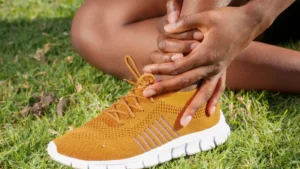
Have you noticed that your feet feel comfortable in sandals but start hurting when you switch to closed shoes? You might experience pain around your toes, burning in the ball of your foot, or discomfort after several hours of walking.
Closed shoes are not inherently harmful. Properly fitted shoes provide protection and support. Problems arise when shoes are too narrow, too short, insufficiently deep, or unsuitable for an existing foot condition.
If you have bunions, Morton’s neuroma, metatarsalgia, or toe deformities, understanding how shoes affect pressure on your feet can help you find relief.
Why Can Closed Shoes Cause Foot Pain?
Unlike sandals, closed shoes surround the toes and forefoot. Poor fit can create several problems:
Toe compression
A narrow or pointed toe box can press on bunions and bent toes.
Skin friction
Repeated rubbing can contribute to corns, calluses and blisters.
Forefoot loading
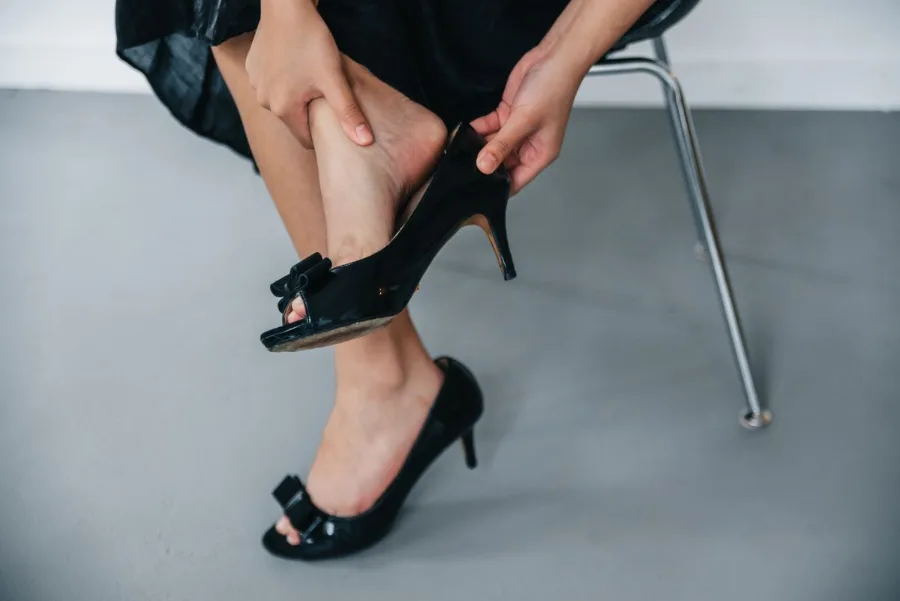
High heels shift pressure towards the ball of the foot; thin or hard soles may not provide enough cushioning for some people.
NHS guidance from Guy’s and St Thomas’ advises choosing footwear with enough toe space, appropriate width and depth, and cushioning suited to your needs.
5 Foot Conditions That Can Become More Painful in Closed Shoes
Bunions: Pain Around the Big Toe Joint
A bunion (hallux valgus) develops when the big toe angles towards the smaller toes, often creating a prominence at its base. Narrow shoes may press against this area, causing redness and pain.
Common signs include a visible bump near the big toe, local tenderness and difficulty finding comfortable shoes.
Choose a wide, deep toe box with a soft upper; protective padding may reduce rubbing. Insoles can sometimes help associated discomfort but cannot straighten a bunion.
Morton’s Neuroma: Burning or Shooting Forefoot Pain
Morton’s neuroma involves irritated, thickened tissue around a nerve in the forefoot, often between the third and fourth toes. Tight shoes can aggravate symptoms.
Typical symptoms include burning or shooting pain, tingling or numbness, and a feeling that a pebble is trapped under the foot.
Wider, low-heeled shoes and soft soles are initial options, and NHS advice on Morton’s neuroma also mentions soft insoles or metatarsal pads, which may reduce pressure when correctly selected and positioned.
Metatarsalgia: Pain Beneath the Ball of the Foot
Metatarsalgia describes pain in the ball of the foot rather than a single diagnosis. Excessive loading, repetitive activity, joint disorders and foot deformities can contribute. High heels and poorly cushioned shoes may worsen symptoms.
Typical symptoms include aching or tenderness beneath the forefoot, particularly during standing or walking.
Footwear with adequate width, low heels and forefoot cushioning; selected patients may benefit from pressure-redistributing pads or insoles. Persistent symptoms need assessment to determine the cause, and NHS advice on pain in the ball of the foot says not to try to diagnose the cause yourself.
Hammertoes: Rubbing Over Bent Toes
A hammertoe is a toe bent abnormally at a joint, often its middle joint. A raised joint can rub against the top of a shallow shoe, causing irritation or a corn.
A deep toe box, soft upper and protective padding. Insoles may relieve some pressure under the forefoot, but cannot straighten a fixed deformity. NHS shoe-fitting guidance also notes that clawed toes need extra depth.
Corns and Calluses: Thickened, Painful Skin
Corns and calluses are areas of thickened skin caused by repeated pressure or friction. Corns tend to be smaller and more concentrated; calluses generally cover a wider area.
Identify the source of rubbing, change to well-fitting shoes, and consider cushioning or pressure-relieving insoles. An insole cannot compensate for a shoe that is too narrow.
Important: if you have diabetes, circulation problems or reduced foot sensation, do not attempt to remove corns or calluses yourself; seek professional advice, as NHS guidance on corns and calluses also advises for people with diabetes or circulation problems.
How Can You Tell Whether Your Shoes Are Causing the Pain?
Pain that appears in a particular shoe and improves when you remove it suggests that fit or pressure may be contributing. However, footwear-triggered pain can still reflect an underlying medical condition.
| Pain location or symptom | Possible explanation |
|---|---|
| Side of big toe joint | Pressure on a bunion |
| Burning or tingling in forefoot or toes | Morton’s neuroma |
| Under the ball of the foot | Metatarsalgia or another forefoot disorder |
| Top of a bent toe | Hammertoe rubbing against the shoe |
| Pain over thickened skin | Corn or callus |
These signs are clues, not a diagnosis. Persistent symptoms should be examined by a qualified clinician. Our foot health assessment can help you describe where you feel discomfort before you do.
How to Prevent Foot Pain When Wearing Closed Shoes
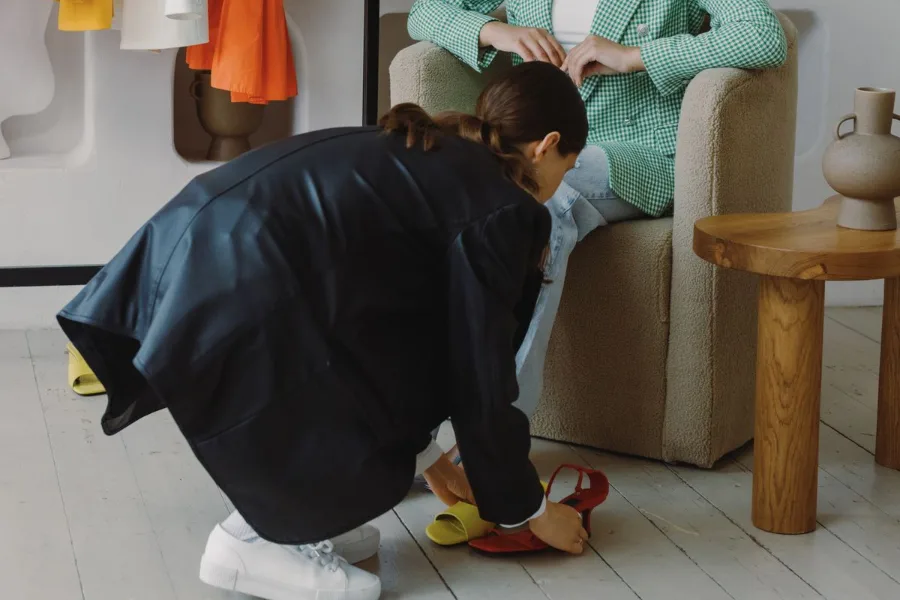
Choose enough toe space
Allow approximately 1 cm between the longest toe and the end of the shoe. The forefoot should not feel compressed.
Check toe-box depth
People with hammertoes or claw toes may need extra vertical space, not just greater width.
Consider cushioning and heel height
Low-heeled shoes with suitable cushioning can be more comfortable for forefoot pain than high heels or thin, rigid soles. For work shoes, our guide to insoles for formal shoes explains how to choose inserts that improve support and fit.
Try shoes with your usual socks
Thick socks reduce the room inside a shoe. Check fit with the socks you normally wear.
Do not rely on breaking shoes in
If a shoe repeatedly causes numbness, rubbing or pain, change the fit or footwear.
Can Orthotic Insoles Help With Pain Caused by Closed Shoes?
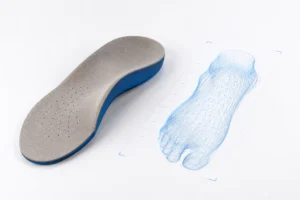
Insoles may help when pain is related to localized pressure or when cushioning or support is needed. Benefits depend on the diagnosis and the shoe, and on how orthotics work and when you can expect pain relief.
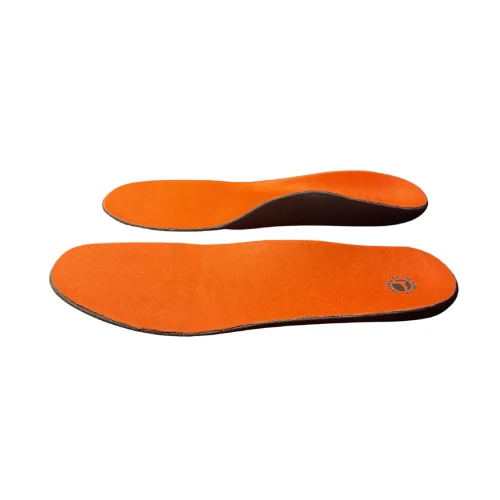
Not everyone needs custom orthotics. Correct footwear or a suitable prefabricated insert may be sufficient. Custom devices are considered when individual pressure-relief or support requirements justify them.
Insoles also take up space. Adding one to an already tight shoe can increase pressure on the toes. Shoes with a removable original liner are often easier to fit with orthoses, and a custom insole selection and use checklist can help you choose and break them in safely.
When Should You Consult a Foot Specialist?
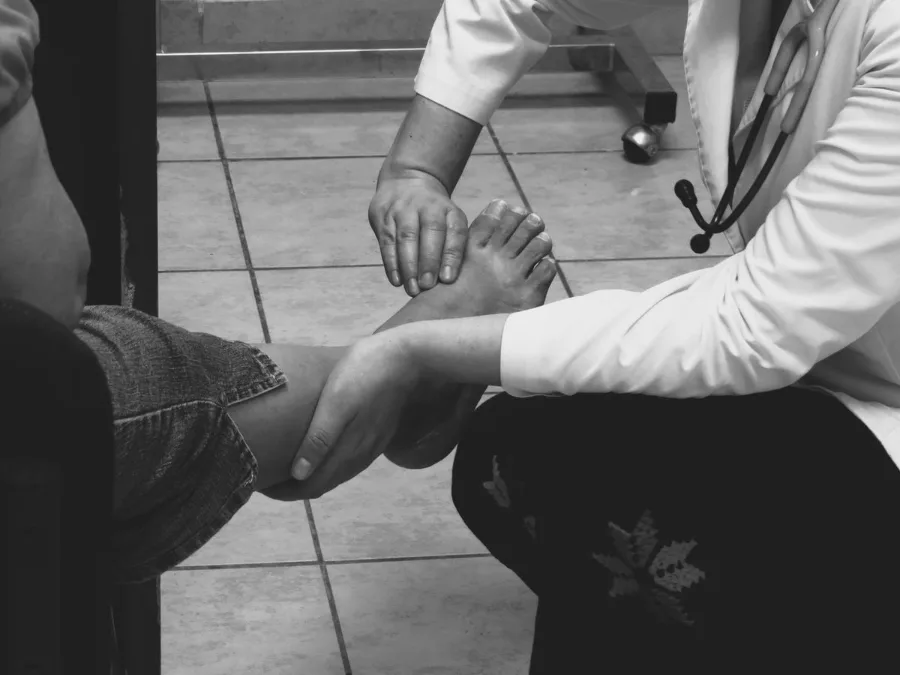
- Pain persists after changing footwear or limits everyday activities.
- You have recurring tingling, numbness or burning.
- A toe deformity is painful or appears to be worsening.
- Corns or calluses repeatedly return despite better-fitting shoes.
Seek urgent medical care for severe pain after injury, inability to bear weight, or a red, hot, swollen foot that may indicate infection. If you have diabetes or reduced sensation, new wounds, blisters, redness or swelling need prompt assessment.
Frequently Asked Questions
Can wearing tight shoes cause permanent foot problems?
Repeated pressure can contribute to ongoing corns, calluses, nail problems and nerve irritation, and can aggravate existing deformities; NHS footwear guidance makes a similar point about nail problems, corns and nerve damage. Not every painful episode causes lasting damage. Repeated numbness or pain warrants a change in footwear and, if persistent, a clinical assessment.
Should I buy a bigger shoe size if my toes hurt?
Not necessarily. Your shoe may be too narrow or shallow rather than too short. A bunion may require extra width; a hammertoe may require more depth. Going up in length alone can create a poor fit elsewhere.
Can insoles make tight shoes more uncomfortable?
Yes. Insoles occupy volume inside the shoe and may increase pressure if the fit is already snug. If an orthotic is needed, choose a shoe with sufficient depth or a removable original liner, as NHS guidance on choosing shoes advises for insoles.
What to Do If Closed Shoes Hurt Your Feet
First check your shoe length, width, toe-box depth and cushioning. If pain continues, consider whether a bunion, nerve irritation, metatarsalgia or toe deformity could be involved. Properly fitting footwear is the starting point; pressure-relieving insoles may be useful for selected conditions, but persistent pain deserves an assessment.