Many people reach for soft insoles because they feel good the moment you put them on. Others are told to use firm arch support insoles for better structural support. Both can have a place, but knowing which one suits your specific concern makes all the difference.
What Are Soft Insoles?
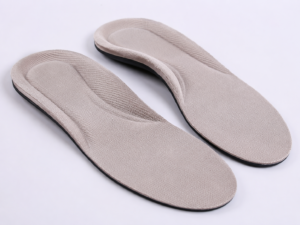
Soft insoles are designed to add a layer of cushioning between your foot and the shoe sole. They work by reducing direct pressure under the foot, which can make hard or thin-soled shoes feel more comfortable.
They are commonly used in:
- Office shoes and formal footwear
- Casual everyday shoes
- Sandals or slip-ons with little padding
- Sports shoes that have worn down over time
Soft insoles for shoes are often made from materials like memory foam, gel, or EVA foam. They mould to the shape of the foot and provide an immediate sense of comfort.
The key thing to know: they feel good quickly. That is one reason they are so popular.
What Are Firm Insoles?
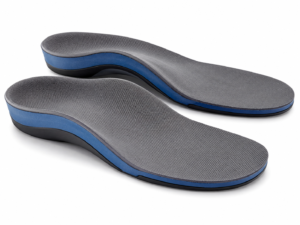
Firm insoles are built to support the structure of your foot rather than just cushion it. They are designed to hold the arch in a better position, control excess movement, and help distribute pressure more evenly across the foot.
A few important points:
- Firm does not mean painful or rock-hard
- Good firm insoles are made with a supportive base and still have some surface cushioning
- They may feel slightly unfamiliar in the first couple of days, but most people adjust within a week
- They tend to hold their shape longer than very soft options
Firm arch support insoles are often recommended for people with flat feet, overpronation, or heel pain linked to alignment issues.
Soft Insoles vs Firm Insoles: Key Differences
| Feature | Soft Insoles | Firm Insoles |
|---|---|---|
| Main purpose | Cushioning and pressure relief | Structural support and alignment |
| Comfort feel | Immediately comfortable | May need a few days to adjust |
| Arch support | Minimal to none | Moderate to strong |
| Heel support | Light padding only | Better stability and pressure distribution |
| Best for | Mild fatigue, hard-soled shoes | Heel pain, flat feet, long hours standing |
| Adjustment time | None or very short | A few days |
| Long-term support | Can compress and flatten over time | Retains shape and support longer |
Are Soft Insoles Good for Heel Pain?
Soft insoles can offer some relief if your heel hurts because of a hard shoe sole or general foot fatigue. The extra cushioning reduces the impact of each step, which may help with surface-level soreness.
However, if your heel pain is connected to:
- Poor arch support
- Overpronation (the foot rolling inward)
- Plantar fascia strain
- Uneven pressure distribution
- Flat feet
…then soft insoles alone are unlikely to provide lasting relief.
Here is why. Very soft insoles tend to compress under body weight, especially after a few hours of standing or walking. Once compressed, they provide very little support. You may feel fine in the morning but end up with the same pain by afternoon.
If pain is severe or persistent, please speak to a qualified healthcare professional before selecting any insole.
Are Firm Arch Support Insoles Better for Foot Pain?
For many types of foot pain, especially heel pain that is linked to structural issues, firm arch support insoles can be more effective than soft ones.
Here is what they can do:
- Help distribute body weight more evenly across the foot
- Reduce the strain on the plantar fascia and heel area
- Improve the position of the arch while walking or standing
- Provide a stable base that does not collapse under pressure
Think about someone who works a 10-hour shift on their feet. By hour three, a soft insole has often flattened out. A firm insole still maintains its shape and continues to support the arch properly.
The adjustment period is real. Some people find firm insoles slightly uncomfortable for the first two to three days. This is normal. The foot is getting used to a better position. If firm insoles feel actively painful or sharp, they may not be the right fit, and it is worth getting guidance.
Soft Arch Support Insoles: Are They a Good Middle Option?
Soft arch support insoles sit somewhere between full cushioning and firm support. They have a built-in arch shape but use softer materials to achieve it.
They may suit people who:
- Want comfort but also need mild arch support
- Find firm insoles too rigid initially
- Have minor arch concerns rather than severe pain
The limitation here is worth understanding. If the arch support component is made from very soft foam, it can flatten under body weight within hours. You end up with the feel of an arch support insole but without the actual support.
If you prefer a softer feel, look for insoles where the top layer is cushioned but the base and arch section are still firm enough to hold shape. That combination tends to work better than fully soft arch support insoles.
When Should You Choose Soft Insoles?
Soft insoles may be the right choice if you:
- Want extra cushioning in hard or thin-soled shoes
- Have mild foot fatigue after walking short distances
- Do not have any significant arch or alignment concerns
- Need temporary padding for casual footwear
- Are on your feet for short durations during the day
- Have no existing heel or arch pain, just general discomfort
When Should You Choose Firm Insoles?
Firm insoles are likely a better fit if you:
- Have heel pain, especially first thing in the morning
- Stand for long hours at work or home
- Feel the arch area sinking or aching while walking
- Have flat feet or a tendency to overpronate
- Feel your feet getting worse through the day even with cushioned shoes
- Have tried soft insoles but your pain keeps returning
- Need better stability during physical activity
Common Mistakes People Make When Choosing Insoles
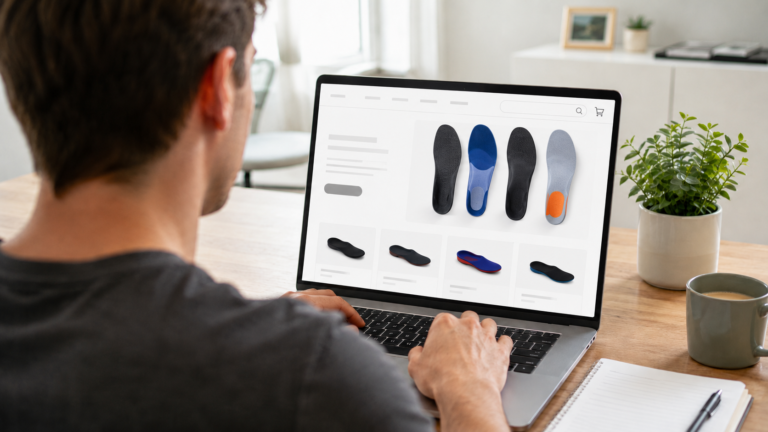
Even with the best intentions, many people end up with the wrong insole. Here are some of the most frequent mistakes:
1. Choosing only based on softness.
A softer feel does not always mean better support. Many people confuse cushioning with proper foot support, and end up with insoles that feel great for an hour but do nothing for their pain.
2. Using the same insole in every shoe.
A thicker insole that works well in a running shoe may be too thick for a formal shoe. The fit matters.
3. Ignoring arch type.
Flat feet, normal arches, and high arches all respond differently to insoles. An insole built for a high arch can make things worse for someone with flat feet.
4. Expecting instant pain relief.
Insoles support the foot; they are not a treatment on their own. Some adjustment is normal, and underlying issues may still need professional attention.
4. Using worn-out insoles for too long.
Foam breaks down over time. An old soft insole may offer less support than a firm insole right out of the box.
Why Custom Insoles May Help Some People
Not every foot is the same. Two people with heel pain may have completely different causes, different arch shapes, and different pressure patterns when they walk.
Off-the-shelf soft or firm insoles are made for general foot shapes. They work well for many people, but not for everyone.
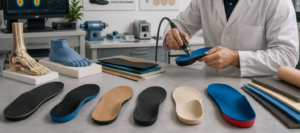
Custom insoles are made based on a person’s actual foot structure, pressure points, heel position, and walking pattern. If you have tried regular insoles and still feel pain, or if your feet are unusually shaped, custom insoles may be worth considering.
They can also be useful for people with specific concerns like one foot being flatter than the other, or pain that appears only after a certain number of steps.
Final Verdict: Soft Insoles or Firm Insoles?
Here is a simple way to think about it:
- If you mainly need cushioning and comfort in hard shoes, soft insoles can help.
- If you have heel pain, arch pain, or foot fatigue from standing or walking for long periods, arch support insoles with firm support are likely to be more effective.
- For insoles for heel pain specifically, firm support with appropriate surface cushioning tends to work better than softness alone.
- The best insole is one that feels supportive, does not shift inside the shoe, and suits your daily routine.
If you are unsure, do not guess. A little guidance based on your foot type, pain area, and shoe type can save you a lot of trial and error.
Need Help Choosing the Right Insole?
Not sure whether soft insoles or firm insoles are right for your heel pain? Contact the Insole.in support team on WhatsApp and they can guide you based on your foot concern, shoe type, and daily routine. No complicated forms, just practical advice.
You can also explore Foot Assessment to get a better understanding of where your feet need support the most.
Contact Insole.in support and get the right guidance before you buy.
Insoles FAQ
It depends on what you need. Soft insoles are better for cushioning and comfort in hard-soled shoes. Firm insoles are generally better for support, arch alignment, and managing foot or heel pain. For most pain-related concerns, firm insoles tend to be more effective in the long run.
Yes, in many cases. Heel pain is often related to poor arch support, overpronation, or uneven pressure on the foot. Firm arch support insoles can help address these causes by improving foot alignment and distributing pressure more evenly. However, the right insole still depends on the specific cause of your heel pain.
They can, in certain situations. If soft insoles flatten quickly or offer no arch support, they may allow the foot to collapse into a poor position, which can put strain on the heel, arch, and plantar fascia. People with flat feet or overpronation are especially likely to find that very soft insoles make their pain worse over time.
For people who stand for long hours, firm arch support insoles are usually the better choice. They maintain their shape throughout the day and provide consistent support to the arch and heel. Very soft insoles may feel comfortable in the morning but lose their cushioning and support by afternoon.
Consider your pain and daily activity. If you have mild foot fatigue and just want more comfort in hard shoes, soft insoles may be enough. If you have heel pain, flat feet, arch aching, or pain that gets worse through the day, firm insoles with arch support are likely a better fit. If you are unsure, a foot pressure analysis or a quick chat with the Insole.in support team can help you decide.