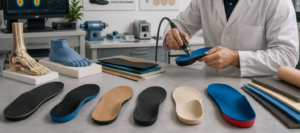
Orthotics usually take 1–3 weeks to feel normal, but symptom improvement can take several weeks to 3 months. Mild pressure, arch awareness, or muscle ache can be normal during the adjustment period. Sharp pain, blisters, worsening knee/hip/back pain, or pain that does not settle should be checked by a podiatrist, orthotist, or prescribing clinician.
This timeline is supported best by research on plantar fasciitis, which is one of the more common foot conditions orthotics are used for. One randomized trial found custom foot orthoses improved first-step heel pain by 4 weeks versus control, with clearer differences at 12 weeks. The study assessed outcomes at baseline, 4 weeks, and 12 weeks. Another randomized trial found small short-term benefits at 3 months, with prefabricated and custom orthoses showing similar effectiveness for plantar fasciitis.
The Usual Orthotics Adjustment Timeline
| Timeline | What you may notice | What to do | When to get them checked |
|---|---|---|---|
| Day 1–3 | Orthotics may feel strange, firm, or like they are pushing the arch. | Wear them for short periods and increase gradually. | If you feel sharp pain, numbness, or rubbing. |
| Week 1 | Mild foot, leg, or back ache can happen as your body adapts. | Keep increasing wear time only if discomfort is mild. | If pain is getting worse instead of easier. |
| Week 2–3 | Most people should tolerate longer wear or all-day use. | Start using them more consistently in supportive shoes. | If you still cannot wear them comfortably. |
| Week 4–6 | Some conditions may start showing clearer improvement. | Continue consistent use and track symptoms. | If there is no improvement or symptoms have shifted. |
| Week 6–12 | This is a better window to judge whether they are helping. | Review pain, comfort, walking tolerance, and daily function. | If benefits are unclear despite regular use. |
| After 12 weeks | Little or no improvement may mean they need reassessment. | Book a review with a podiatrist, orthotist, or clinician. | Especially if pain persists or new pain has developed. |
Why Don’t Orthotics Work from Day 1?
Orthotics usually do not work instantly because they are designed to change your biomechanics, not mask pain. They redistribute pressure, alter how the foot loads during walking, and reduce strain on irritated tissues. Those changes can take time for the body to adapt to, which is why many people need a break-in period before the orthotics feel natural or provide noticeable relief.
How To Know If Your Orthotics Are Working
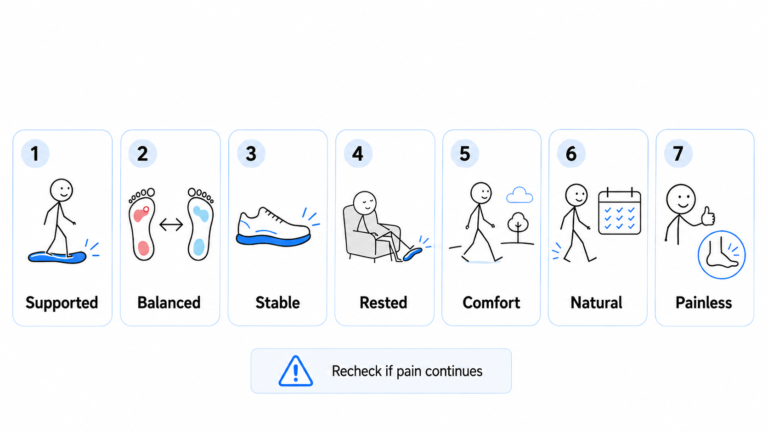
A simple way to judge whether your orthotics are working is to compare how you feel with and without them during normal daily use. If they improve comfort, support, and stability without causing new discomfort, they are likely doing their job. If they continue to hurt, feel too high under the arch, cause rubbing, or create new discomfort in your feet, knees, hips, or lower back, it may be time to have the fit checked by a qualified professional.
Good signs that your orthotics may be working include:
Your feet feel more supported while walking or standing
Pressure feels more evenly spread across the foot
Your shoes feel more stable and secure
Your feet feel less tired at the end of the day
You can walk, stand, or move with better comfort than before
The orthotics feel more natural after a short adjustment period
There is no sharp pain, rubbing, or new discomfort
It is also normal for new orthotics to take some time to feel natural. Mild adjustment discomfort can happen at first, but sharp pain, worsening discomfort, or pain that does not settle should not be ignored according to podiatrist Ashley Bojrab.
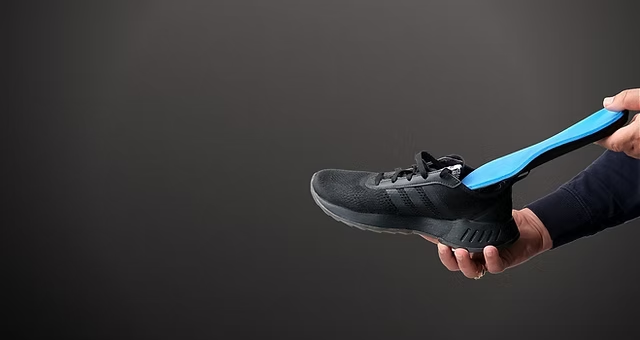
Shoe fit is another important sign. Your orthotics should fit comfortably inside your shoes without making them feel too tight or unstable. Orthotic should fit the shoe, not the other way around, and that it should match your foot type.
What to Expect Week by Week
Days 1–3: Start short. The Pedorthic Association of Canada recommends wearing new orthotics for about an hour on day one, two hours on day two, and building up from there rather than wearing them all day right away. Premier Podiatry Associates suggests a similar starting point of one to two hours a day. Some mild awareness of the arch or heel cup pressing in new spots is normal here.
Week 1–2: This is the core break-in window. According to the Pedorthic Association of Canada, it usually takes about two weeks for your soft tissue to get used to having pressure in different places, so light muscle fatigue or a “different” feeling in your shoes is expected. By the end of this period, most people can comfortably wear their orthotics for a full day.
Week 2–4: This is typically when the first real signs of relief may start to show, especially for conditions like plantar fasciitis. The American Podiatric Medical Association notes that podiatrists use orthotics to treat plantar fasciitis, heel pain, and other foot problems, and that podiatrist-prescribed orthotics can help decrease pain and improve function. Morning heel pain easing and less burning after a long day on your feet are common signs things are moving in the right direction. (APMA)
What Affects How Quickly Your Orthotics Work
The two-week-to-three-month range isn’t fixed for everyone. A few practical factors push it shorter or longer:
- How bad the problem was to begin with. A mild arch ache from a few weeks of bad shoes settles faster than years-old plantar fasciitis or a structural imbalance that’s been uncorrected for years.
- Custom-made vs. ready-made orthotics. A custom orthotic is built from a mold of your specific foot, so it can be designed to support your foot shape and redistribute pressure more precisely than a generic, off-the-shelf orthotic. That bigger change usually means a few extra days of adjustment, but it’s also why custom orthotics tend to fix the problem more completely once you’re past that point.
- Whether you wear them every day. Two hours today, skipped tomorrow, two hours again next week doesn’t let your foot adapt. Wearing them daily and increasing the time bit by bit gets you comfortable faster than wearing them only when you remember.
- The shoes you wear them in. An orthotic sitting inside a shoe that’s too narrow, too soft, or falling apart can’t do its job properly, no matter how well it was made for your foot.
- How much time you spend on your feet. If your job or daily routine involves a lot of standing or walking, you may notice both discomfort and relief sooner. That’s because your orthotics are under more pressure and doing more work throughout the day.
Tips To Get Used To Your Orthotics Faster
- Follow a step-up wear schedule: an hour or two on day one, adding an hour or so each day, the same approach recommended by the Pedorthic Association of Canada and Premier Podiatry Associates.
- Pair them with supportive, properly fitted shoes rather than whatever’s closest to the door.
- Keep wear consistent rather than reserving them for “bad days,” since the adaptation depends on regular use.
- Track a simple benchmark, like how long you can stand or walk comfortably, so gradual improvement is easier to notice.
- Bring the orthotics to follow-up visits so small fit issues can be corrected early instead of compounding.
When Discomfort Isn't Part of the Process
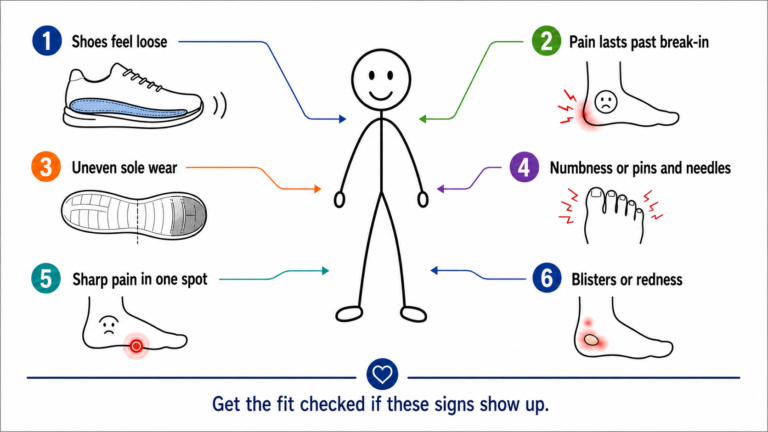
A little soreness in the first two weeks is expected. But if you notice any of the following, it’s not just “getting used to it,” it’s a sign the orthotic needs adjusting:
According to Foot & Ankle Concepts:
- Your shoes feel loose around the orthotic instead of snug
- Pain that’s still there well after the normal break-in period
- Your shoe soles are wearing down unevenly or faster than usual
Premier Podiatry Associates adds a few more red flags:
- Numbness or a “pins and needles” feeling in your toes
- Sharp pain in one exact spot, especially if it’s new
- Blisters or redness that haven’t settled 30 minutes after taking your shoes off
If you notice any of these, get the fit checked rather than pushing through and hoping it resolves on its own.
FAQs
Is it normal for orthotics to hurt when you first start wearing them?
Some mild soreness or a "different" feeling is normal for the first one to two weeks as your feet adjust. Sharp pain, numbness, or discomfort that doesn't ease after two weeks isn't normal and usually points to a fit issue.
Do custom orthotics take longer to work than store-bought insoles?
Custom orthotics often need a slightly longer break-in since they make a more precise change to foot positioning, but they tend to offer more targeted, longer-lasting relief once the adjustment period is done. Store-bought options like memory foam or gel insoles are more about cushioning than correction, so they won't go through the same break-in curve, but they also won't fix an underlying alignment issue.
Can I speed up the process by wearing my orthotics all day right away?
It's better not to. Easing gradually, starting with an hour or two and building up daily, gives your soft tissue time to adapt without overloading it, which usually leads to a smoother and faster adjustment overall.
How will I know my orthotics are actually working?
Look for less morning heel or arch pain, reduced aching after standing or activity, and better tolerance for being on your feet longer than before, typically becoming noticeable within two to four weeks.
Getting The Fit Right From The Start
A lot of the frustration around “how long is this supposed to take” comes down to whether the orthotic was the right fit to begin with. A properly assessed, custom-built insole still needs a break-in period, but it shouldn’t leave you guessing for months about whether it’s actually helping. If you’re starting from scratch or your current insoles haven’t worked despite waiting it out, a free foot health assessment is the fastest way to rule out a fit problem before assuming you just need more patience.