Cold weather can bring dry skin, changes in footwear and more time indoors. For people living with diabetes, these everyday changes make consistent foot care especially important. The goal is not to treat winter as a cause of diabetic foot disease, but to prevent small injuries from becoming serious problems.
Why diabetes makes foot care essential
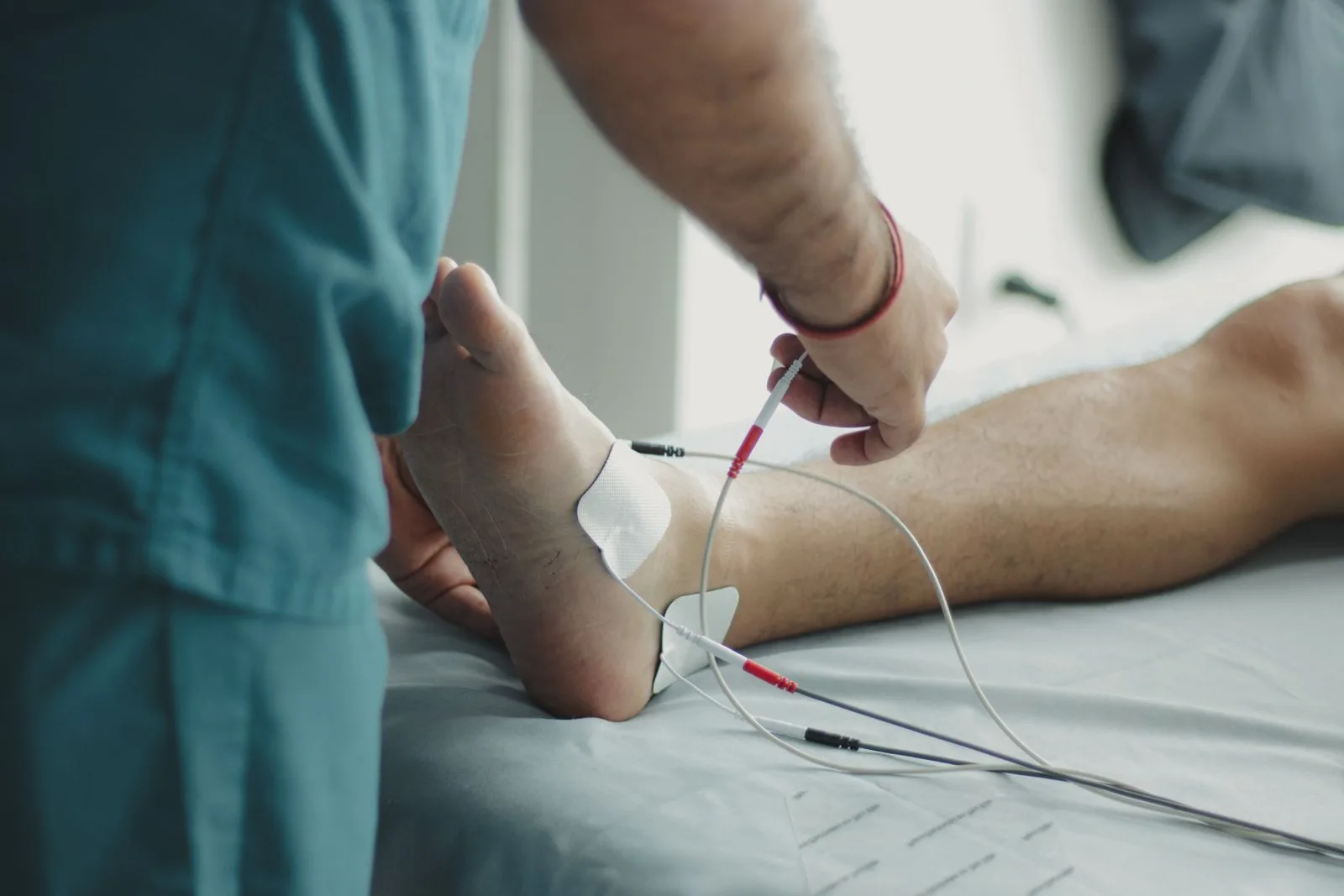
Diabetes can damage nerves (peripheral neuropathy), reducing the ability to feel pain, heat or a developing blister. It can also contribute to peripheral artery disease, which reduces blood flow and can impair wound healing. Some people have both problems. A foot injury may therefore go unnoticed and become an ulcer or infection. The American Diabetes Association (ADA) recommends a comprehensive foot examination at least once a year, with more frequent checks for higher-risk patients.
What changes in winter?
1. Dry skin and cracks
Cooler, drier air and indoor heating may contribute to dry skin. When skin cracks, it creates an opening through which infection can develop. Inspect the heels and soles rather than assuming dry skin is only cosmetic. The CDC specifically recommends daily skin and foot checks during cold weather.
2. Burns from trying to warm cold feet
Reduced temperature sensation means someone with neuropathy may not realise that a hot-water bottle, heating pad or room heater is burning the skin. Never place these directly against the feet. Use socks and appropriate footwear for warmth instead. This precaution is supported by the National Institute of Diabetes and Digestive and Kidney Diseases (NIDDK).
3. Wet socks, tight shoes and unnoticed friction
Closed shoes worn for longer periods can rub against toes or heels, while damp socks can irritate skin. Check that winter footwear fits properly, leaves room for the toes and has no rough seams. Footwear should protect the foot, not create pressure points. The International Working Group on the Diabetic Foot (IWGDF) recommends checking inside shoes before every use.
A practical winter foot-care routine
1. Inspect both feet every day
Look at the soles, heels, between the toes and around the nails for blisters, cuts, redness, swelling, cracks, calluses or colour changes. Use a mirror or ask a family member for help if needed. Do not rely on pain as a warning: neuropathy may reduce sensation. This is a core recommendation in the ADA standards.
2. Wash gently and dry thoroughly
Use lukewarm water, not hot water; check the temperature with your hand, elbow or a thermometer if sensation is impaired. Do not soak your feet. Dry carefully, especially between the toes. IWGDF guidance advises washing water below 37°C.
3. Moisturise dry skin, but not between the toes
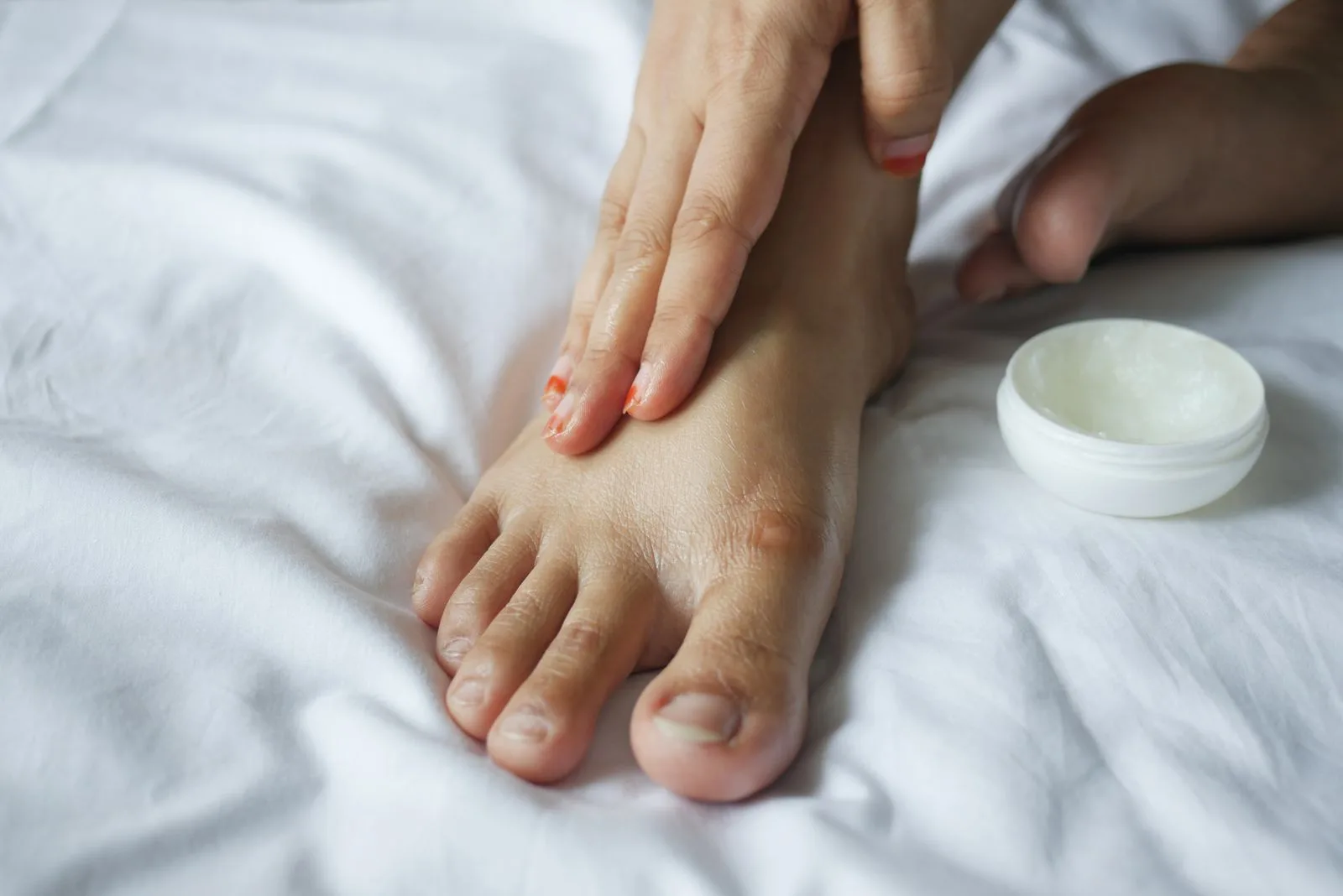
Apply a plain moisturiser to the tops, heels and soles if the skin is dry. Avoid putting cream between the toes, where excess moisture may encourage skin problems. Do not cut hard skin, corns or calluses yourself, and avoid medicated corn plasters or chemical removers.
4. Wear protective footwear indoors and outdoors
Avoid going barefoot, walking only in socks, or using thin-soled slippers if you have neuropathy or another recognised foot-ulcer risk. In many Indian homes, people remove footwear indoors and walk on tile, stone or marble floors. A clean, well-fitting pair of protective indoor footwear can help reconcile household habits with foot safety. India’s National Health Mission diabetic-foot guidance specifically advises at-risk patients against barefoot walking and thin-soled slippers.

5. Choose socks and shoes for fit, not just warmth
Choose clean, dry socks without irritating seams or restrictive elastic. Change damp socks promptly. Inspect the inside of shoes for stones, folds or other objects before wearing them. Do not use direct heat to dry shoes while they are on your feet.
6. Keep diabetes management and activity on track
A change in winter routines, food intake or activity may affect blood glucose. Continue prescribed medication and glucose monitoring, and remain active within your clinician’s advice. Protecting the feet is part of overall diabetes care—not a substitute for glucose management.
When are diabetic insoles or specialised shoes useful?
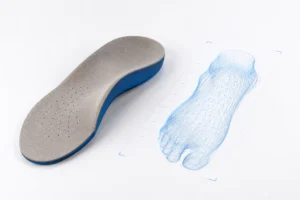
Not everyone with diabetes needs custom insoles. For people with loss of protective sensation, foot deformity, callus, poor circulation or a previous ulcer, a foot-care specialist may recommend therapeutic footwear or pressure-relieving insoles. For someone with a healed plantar ulcer, footwear proven to reduce plantar pressure is particularly important to prevent recurrence. Selection should follow foot examination and risk assessment, not the season alone.
When to seek medical help
Seek prompt medical assessment for a new blister, cut, open sore, bleeding callus, spreading redness, discharge or increasing swelling—especially if sensation is reduced. An ulcer or a newly red, hot, swollen foot needs urgent evaluation, even when pain is mild or absent; this can indicate infection or a serious condition such as Charcot foot. A cold, pale or blue foot, sudden severe pain, or rapidly worsening discolouration warrants emergency care. Do not attempt home removal of infected skin or treat an ulcer with ordinary insoles alone.
How often should your feet be checked professionally?
Every person with diabetes should have a comprehensive foot examination at least annually. People with sensory loss, poor circulation, deformity, a previous ulcer or amputation often need more frequent reviews. The ADA reproduces risk-based review intervals ranging from every 6–12 months for lower-risk abnormalities to every 1–3 months for the highest-risk groups.
A quick daily checklist
- Look over both feet, including between the toes.
- Wash with lukewarm water; dry thoroughly.
- Moisturise dry skin, avoiding spaces between toes.
- Check socks and inspect shoes before wearing them.
- Wear protective, well-fitting footwear—even indoors if at risk.
- Report new injuries or changes promptly; do not wait for pain.
The bottom line
Winter foot care for people with diabetes is about preventing avoidable injury. Daily inspection, safe warming, skin care, properly fitting footwear and routine professional examinations matter more than any seasonal remedy. People with neuropathy, poor circulation or a history of ulcers need an individualised plan from their diabetes and foot-care team.