The best tennis insoles in India in 2026 include The Insole Co., Superfeet, Spenco, Powerstep, and Currex according to Rinku Pal, Certified Orthotist with an MSc in Rehabilitation Science (SAARC) and expertise in research and development. Based on arch support quality, shock absorption, breathability, lateral stability, and court-sport suitability, these options range from 3D-scanned custom insoles to sport-specific OTC designs, with pricing that varies by construction, materials, and support level.
The table below compares these options side by side based on coverage, typical pricing range, key strengths, and whether the product is custom or off-the-shelf.
Best Insoles for Tennis Shoes in India 2026
| Brand / Provider | Best For | City / Coverage | Approx Starting Price | Approx Max Price | Standout Strength | Custom or OTC |
|---|---|---|---|---|---|---|
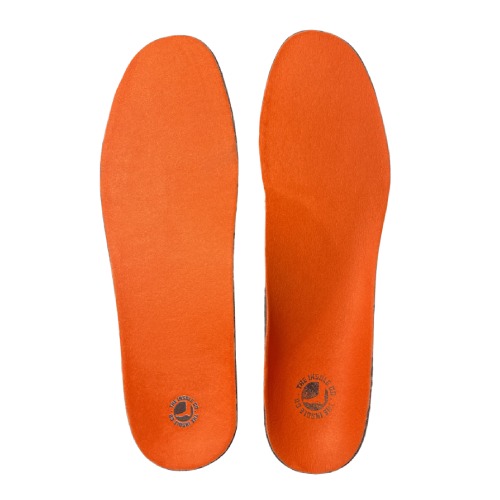
| The Insole Co. | Custom support, pain management, competitive players | Bengaluru | ₹3,500 | ₹8,000 | 3D-scanned custom insoles, sport-specific builds, orthopaedic and diabetic variants | Custom |
| Superfeet GREEN | Biomechanical arch support, overpronation | Pan-India online | ₹2,500 | ₹3,500 | Deep heel cup, stabiliser cap, strong arch control | OTC |
| Powerstep Pinnacle | Plantar fasciitis, heel pain | Pan-India online | ₹2,000 | ₹3,200 | Clinically designed, encapsulated heel, antimicrobial fabric | OTC |
| Spenco Polysorb Cross Trainer | General cushioning, multi-sport use | Pan-India online | ₹1,500 | ₹2,500 | 4-way stretch cover, firm heel cradle, lateral impact support | OTC |
| Currex RunPro | Performance players, breathability, high arches | Pan-India online | ₹2,200 | ₹3,400 | Dynamic arch technology, breathable mesh, natural underfoot feel | OTC |
| Tread Labs Dash | Slim profile, frequent training, durability | Pan-India online | ₹2,800 | ₹4,000 | Firm arch, machine washable, replaceable top cover | OTC |
| Sof Sole Athlete | Sweaty feet, warm climates, recreational players | Pan-India online | ₹1,000 | ₹1,800 | Hydrologix moisture management, gel heel pad, lightweight | OTC |
| Walkfit Platinum | Adjustable arch, mixed foot types | Pan-India online | ₹1,200 | ₹2,000 | Three interchangeable arch inserts, full-length design | OTC |
| Dr. Scholl's Athletic Series | Budget players, casual use, entry-level comfort | Pan-India retail + online | ₹600 | ₹1,200 | Widely available, massaging gel, lightweight build | OTC |
| Ortho Heal Sport Plus | South Asian foot profiles, local availability | Pan-India retail + online | ₹800 | ₹1,500 | Anatomical arch for Indian foot shapes, anti-odour, locally stocked | OTC |
Best Tennis Insoles by Foot Issue and Use Case
Different foot conditions and playing demands require different insole designs. This table outlines what typically works best for tennis players across common concerns.
| Foot Issue or Goal | What Works Best | Suitable Options | Special Features |
|---|---|---|---|
| General tennis comfort and reduced match fatigue | Full-length cushioning with moderate arch support | The Insole Co., Dr. Scholl's Athletic Series | Even pressure distribution, reduced fatigue, suitable for long sessions |
| Heel pain | Encapsulated heel cup with arch support | Powerstep Pinnacle, The Insole Co. | Rear-foot stability, reduced plantar load |
| Plantar fasciitis | Firm arch with targeted heel offloading | Powerstep Pinnacle, The Insole Co., Superfeet GREEN | Arch offloading, reduced fascia strain, improved morning comfort |
| Flat feet | Structured stabiliser cap with deep heel cup | The Insole Co., Superfeet GREEN | Corrects overpronation, improves lateral stability during direction changes |
| High arches | Cushioned fill with moderate flexible arch | Currex RunPro high profile, The Insole Co. | Fills arch gap, distributes pressure more evenly |
| Knee or hip discomfort linked to foot mechanics | Biomechanically assessed corrective insoles | The Insole Co., Superfeet GREEN | Gait correction, alignment support, reduced load on proximal joints |
| Long match fatigue | Multi-density cushioning with full-length coverage | Spenco Polysorb, Tread Labs Dash | Even weight distribution, sustained support across 2 to 3 hour sessions |
| Sweaty feet in Indian weather | Breathable mesh or moisture-wicking top cover | Sof Sole Athlete, Currex RunPro | Moisture channelling, odour control, drier foot surface during play |
| Junior or recreational tennis players | Lightweight OTC with basic arch and cushioning | Dr. Scholl's Athletic, Ortho Heal Sport Plus, Walkfit | Affordable, immediately available, basic support improvement |
| Competitive players needing stability | Sport-specific custom or semi-rigid structured insoles | The Insole Co., Tread Labs Dash, Currex RunPro | Lateral hold, arch stability through pivots, low profile for court shoes |
How to Choose the Right Tennis Insoles
1) Cushioning and Shock Absorption
Tennis on hard courts transmits significant repetitive impact through the heel and forefoot with each step, serve, and sprint. An insole with adequate shock absorption reduces cumulative stress on the foot, ankle, and knee over the course of a match.
What to look for:
- Multi-density foam base for broad impact distribution
- Gel pods at the heel or forefoot for localised cushioning
- Encapsulated heel design for rear-foot stability under load
Who to consult: A sports physiotherapist, musculoskeletal physiotherapist, or orthotist if heel pain or joint discomfort is already present.
2) Arch Support Type
The level of arch support needed depends on foot structure. Flat feet require a firm, structured arch to control overpronation during lateral movement. High arches need cushioned support that fills the gap and distributes load more evenly. Neutral arches tolerate the widest range of insole types.
Assessment types:
- Visual and structural foot exam: arch height, toe alignment, pronation angle, visible pressure spots
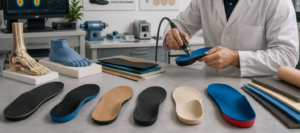
- 2D or 3D foot scanning: precise arch contour, shape accuracy, load distribution mapping
- Gait analysis: dynamic assessment of foot behaviour during movement, push-off mechanics, and asymmetry
Who to consult: An orthotist, sports physiotherapist, or a foot lab with scanning and pressure mapping capability, such as The Insole Co. in Bengaluru.
3) Lateral Stability for Tennis Movement
Tennis requires repeated side-to-side cuts, split-steps, and rapid directional changes. Unlike running, these lateral loads place significant stress on the medial arch and ankle. The insole needs to hold its position and support the arch through these movements without rolling or shifting inside the shoe.
What to look for:
- Deep heel cup that locks the rear foot during direction changes
- Firm arch shell that resists compression under lateral load
- Non-slip base to prevent insole movement inside the shoe
Who to consult: A sports physiotherapist or foot specialist if there is a history of ankle instability or recurring ankle sprains.
4) Breathability and Moisture Control
India’s climate makes perspiration inside the shoe a practical concern throughout the year, not just in summer. Insoles that trap heat and moisture degrade faster, contribute to bacterial buildup, and reduce in-shoe grip and hygiene.
What to look for:
- Mesh or open-cell top fabric
- Hydrologix or equivalent moisture-channelling technology
- Anti-odour treatment integrated into the top cover
Who to consult: A dermatologist or podiatrist if there are persistent fungal infections or skin conditions affecting the foot.
5) Fit Inside Tennis Shoes
An insole that does not fit correctly inside your court shoe will underperform regardless of quality. Tennis shoes are often snug, so thickness and profile matter significantly.
What to check:
- Full-length versus three-quarter length: full-length offers more coverage; three-quarter suits performance shoes with limited internal space
- Forefoot thickness: thinner profiles suit snug athletic footwear; thicker suits training or everyday shoes
- Trimming lines: most products include size guides along the edge for easy fitting
6) When Custom Tennis Insoles Make More Sense
OTC insoles are size-based and built for average foot shapes. They work well for mild comfort needs and general support. Custom insoles for tennis shoes become relevant when OTC options have not resolved the issue, when pain is significant or recurring, or when foot mechanics are complex.
Indicators for a custom assessment: Recurring plantar fasciitis, knee or hip pain linked to foot mechanics, significant flat feet or high arches, post-surgical feet, diabetic foot concerns, or playing competitive tennis three or more times per week.
How to Choose the Best Insoles for Tennis Shoes
| Buying Factor | Why It Matters for Tennis | What to Check Before Buying |
|---|---|---|
| Cushioning and shock absorption | Reduces heel and forefoot impact on hard courts | Foam density, gel heel pod, compression resistance |
| Arch support type | Controls pronation during lateral movement | Match to flat, neutral, or high arch profile |
| Lateral stability | Supports direction changes and split-step landings | Deep heel cup, firm arch shell, non-slip base |
| Breathability | Reduces heat and moisture buildup in Indian conditions | Mesh top cover, moisture-wicking fabric, odour treatment |
| Shoe fit | Prevents insole movement and overcrowding in the toe box | Thickness, profile, trimming options |
| Custom vs OTC | Determines accuracy of fit and support level | Complexity of foot issue, pain history, play frequency |
| Lifespan | Affects cost-per-use and continued support quality | Material quality, replacement options, usage frequency |
Benefits of Using Insoles for Tennis Shoes
Reduced Foot Fatigue
Standard shoe liners are designed for general fit, not for the specific demands of tennis movement. An aftermarket insole with appropriate cushioning and arch contouring reduces the compensatory muscular load on the arch, calf, and plantar fascia during long practice sessions and matches.
Better Heel and Arch Support
Tennis involves repeated heel strikes and toe-off moments during baseline running, serve mechanics, and net approaches. Proper heel and arch support in your tennis shoe inserts distributes these forces more evenly, reducing peak pressure at the heel pad and arch over the course of a session.
Improved Stability During Side-to-Side Movement
The most common movement pattern in tennis is lateral. An insole with a structured arch and a deep heel cup prevents excessive inward roll during direction changes, reducing ankle and knee stress across a match or training session.
Support for Plantar Fasciitis and Heel Pain
Plantar fasciitis is one of the most reported foot complaints among regular tennis players. The right tennis insoles can offload the plantar fascia by providing a contoured arch that reduces tensile stress on the ligament, particularly during the first steps after rest and during extended baseline rallies.
Better Alignment for Knees, Hips, and Lower Back
The foot is the body’s primary contact point with the ground. Uncorrected overpronation or supination alters load paths through the ankle, knee, hip, and lumbar spine. Insoles that address foot mechanics reduce compensatory movement patterns that accumulate over months and years of regular play.
More Comfortable Long Practice Sessions
Players training for multiple hours or competing in long matches benefit from insoles that hold their cushioning properties throughout the session. Low-quality liners compress quickly and offer diminishing support as play continues.
Benefits of Using Insoles for Tennis Shoes
| Benefit | Why Tennis Players Need It | Type of Insole That Helps |
|---|---|---|
| Reduced foot fatigue | Long sessions and repeated impact deplete foot muscle endurance | Full-length cushioning with arch contouring |
| Heel and arch support | Repeated heel strike and toe-off in baseline play | Deep heel cup, structured arch shell |
| Lateral stability | Side-to-side cuts and split-step landings | Firm arch, non-slip base, rear-foot control |
| Plantar fasciitis support | High load on heel and arch during serve and run patterns | Arch offloading, encapsulated heel, semi-rigid arch |
| Knee and hip alignment | Overpronation propagates stress upward through the kinetic chain | Biomechanical correction, gait-aligned support |
| Long session endurance | Cushioning must hold quality across 1 to 3 hour matches | High-density foam, durable construction |
Expert Note
Tennis places repeated mechanical stress on the heel, forefoot, ankle, knee, and hip. Hard court surfaces, which are the most common playing surface in India, return ground reaction force directly to the foot with minimal natural absorption. Sudden stops, pivots, and lateral cutting during baseline rallies compound this load at the medial arch and rear foot.
The right tennis shoe inserts help distribute pressure across the foot’s surface, reduce peak load at vulnerable sites, and support more efficient mechanics through each step and change of direction.
For players training regularly, this is directly relevant to how long they can play without discomfort and how their joints respond over the course of a season. Investing in the correct best insoles for tennis is a practical step toward sustaining long-term foot and joint health.
Checklist Before Buying Tennis Insoles in India
- What is your primary concern: general comfort, specific pain, sports performance, or a medical condition
- Is the insole truly customised to your foot shape, or is it size-based only
- Does the provider include a foot assessment in the process
- Will the insole fit inside your existing tennis shoes without overcrowding the toe box
- Is there an adjustment or modification available after the first few sessions of use
- What materials are used and are they appropriate for India’s climate
- How long is the expected lifespan and at what point should the insole be replaced
- Does the insole address your specific arch type: flat, neutral, or high
- Who has designed or reviewed the insole, and is their background relevant to sport biomechanics