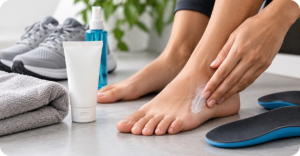
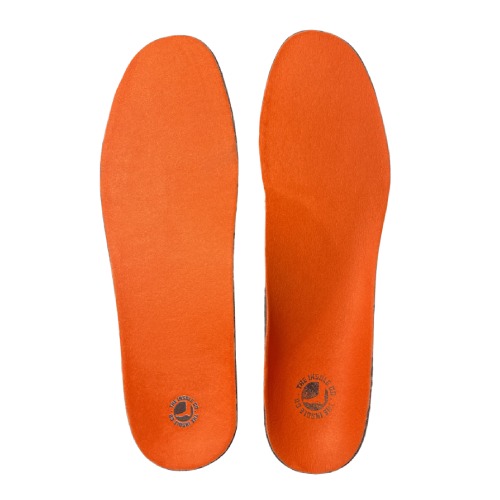
Every year, as the monsoon arrives across India, many people begin to notice itching between their toes, peeling skin, a persistent bad odour from their feet, or small cracks that do not heal easily. The rainy season creates warm and damp conditions where fungi and bacteria can grow faster, making the feet more prone to infection.
This is why timely care matters. Knowing the right approach to foot infections in the rainy season can help you manage early symptoms safely, prevent the infection from spreading, and understand when medical care is needed.
From wet socks and muddy puddles to closed shoes that trap moisture for hours, the Indian rainy season puts constant stress on foot skin. This article explains what causes foot infections during monsoon, what symptoms to watch out for, how to manage mild cases at home when appropriate, and when it is better to see a doctor without delay.
Why Foot Infections Increase During Rainy Season
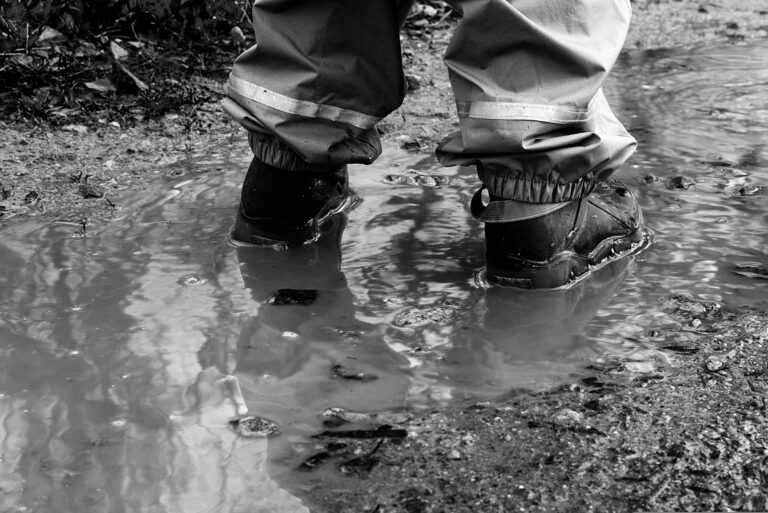
Warm and moist conditions are ideal for fungi and bacteria to multiply. In the rainy season, feet stay wet for longer periods because of splashing rainwater, damp footwear, and sweaty socks inside closed shoes. When skin stays wet for extended periods, its natural barrier weakens, making it easier for microorganisms to enter through small cuts, cracks, or even intact skin that has softened from prolonged moisture.
Dirty rainwater collected on roads and footpaths often carries a heavy load of bacteria and fungi. Walking through such water, even briefly, exposes the feet to potential infection. Tight, non-breathable shoes create an enclosed warm environment where sweat and moisture accumulate throughout the day. Socks that absorb water and are not changed quickly add to the problem. Even a small scratch or abrasion on the foot can become an entry point when the skin is repeatedly exposed to these conditions.
Common Foot Infections You Can Get During Rains
Not every foot problem during monsoon is the same. Different types of infections have distinct causes, signs, and first steps. The table below gives a quick overview of the most common ones seen during the rainy season in India.
| Condition | Common Signs | Why It Happens in Monsoon | What to Do First |
|---|---|---|---|
| Athlete's Foot (Tinea Pedis) | Itching, peeling, white soggy skin between toes, burning sensation | Fungus thrives in warm, damp spaces; prolonged wet footwear worsens it | Keep feet dry; consult a pharmacist or doctor about antifungal options |
| Fungal Nail Infection (Onychomycosis) | Nail turns yellow, brown, or white; nail thickens or becomes brittle | Repeated moisture exposure and nail trauma from wet footwear | Keep nails short and dry; see a doctor for proper diagnosis |
| Bacterial Skin Infection | Redness, warmth, pain, swelling, pus or fluid discharge | Bacteria from contaminated rainwater enter through cuts or broken skin | Clean gently with soap and water; see a doctor promptly |
| Blisters with Infection Risk | Fluid-filled bumps, pain, redness around the blister | Friction from wet footwear; broken blisters can get infected in dirty water | Do not burst the blister; keep clean and dry; see a doctor if it opens |
| Cracked Heels with Infection Risk | Deep cracks, bleeding, pain while walking, possible redness around cracks | Alternating dry and wet skin; open cracks allow bacteria to enter | Keep heels moisturised, clean, and covered; see a doctor if cracks bleed or become painful |
It is important to note that symptoms from different types of infections can look similar, especially in the early stages. If your symptoms are severe, not improving after a few days of basic care, or if you are unsure of what you are dealing with, please avoid self-diagnosing and speak with a doctor or pharmacist.
Symptoms You Should Not Ignore
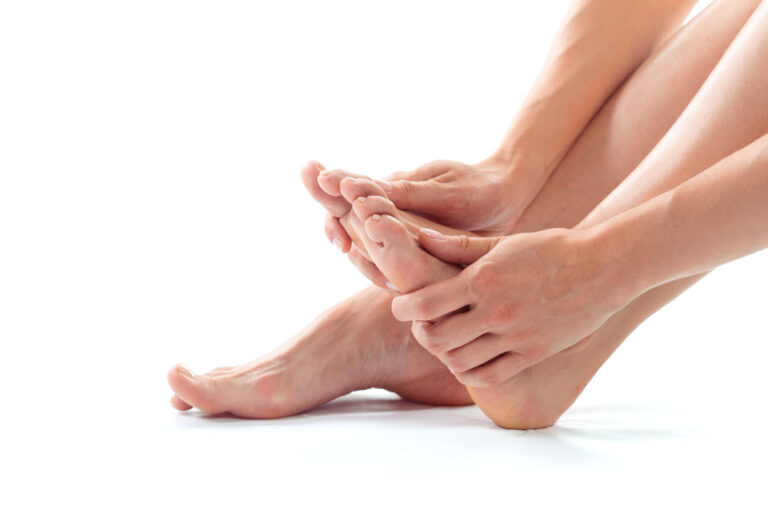
- The early signs of a foot infection during the rainy season are easy to dismiss as minor irritation.
- Itching between the toes, especially after removing wet shoes, is often the first signal.
- Peeling or flaking skin, redness, and a burning sensation are common in many fungal infections.
- A persistent unpleasant odour from the feet, even after washing, may point to bacterial or fungal activity.
- White, soggy-looking skin between the toes is a classic sign of athlete's foot and should not be left untreated.
- Swelling around the foot, pus or fluid discharge from a cut or crack, or changes in nail colour or texture may indicate a deeper infection.
- Severe pain while walking, spreading redness moving up the foot or ankle, or fever with foot symptoms need urgent medical attention.
- The right treatment depends on the type of infection, whether fungal, bacterial, nail-related, or caused by broken skin.
- Wash your feet thoroughly with mild soap and clean water, then dry them completely, especially between the toes.
- Change out of wet socks and footwear as soon as you get home to reduce infection risk and support recovery.
- Keeping the feet dry is the foundation of any treatment approach during the rainy season.
- For symptoms such as itching, peeling between toes, or a mild rash, antifungal powders or creams from pharmacies may help.
- Always follow product instructions carefully or ask a pharmacist or doctor before using any antifungal product.
- Avoid combination creams that contain steroids for fungal infections unless specifically prescribed by a doctor.
- Do not scratch infected skin, as this can break the surface and allow deeper infection.
- Avoid sharing towels, socks, nail cutters, or footwear, as several foot infections can spread through contaminated items.
- Increasing pain, pus, swelling, warmth, spreading redness, or fever may suggest a bacterial infection and need a doctor's evaluation.
- Bacterial infections usually require medical treatment and should not be managed with antifungal products alone.
How to Care for Your Feet Every Day During Monsoon
Building a consistent daily routine is one of the most effective ways to prevent and manage a foot infection during rainy season. The table below outlines simple steps for different times of day.
| Time | What to Do | Why It Helps |
|---|---|---|
| Morning | Wash feet with mild soap; dry fully between toes; wear clean dry socks; apply antifungal powder between toes if prone to infection | Starting the day with dry, clean feet reduces the chance of fungal growth throughout the day |
| After Rain or Wet Exposure | Rinse feet with clean water immediately; dry thoroughly; change socks and footwear; do not put wet shoes back on | Removing rainwater and changing footwear cuts off the damp environment that microorganisms need to grow |
| Evening | Wash feet again; inspect for cuts, cracks, redness, or itching; moisturise heels if dry; trim nails if needed | Evening inspection allows early detection of any developing problem before it worsens overnight |
| Weekly | Wash and disinfect footwear; rotate between two pairs of shoes to allow each to dry fully; replace worn-out insoles | Keeping footwear dry and clean prevents it from becoming a source of reinfection |
Best Footwear Choices During Monsoon
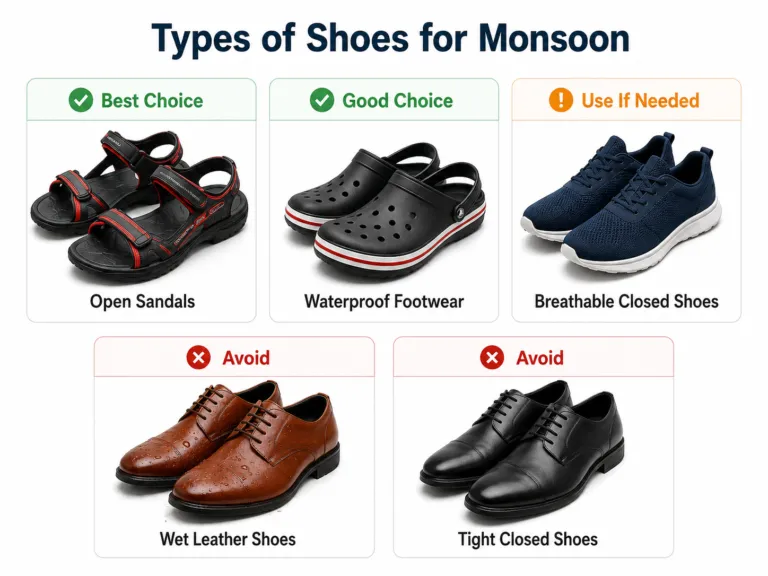
- Choose quick-drying open sandals for daily monsoon use.
- Use waterproof footwear with good grip if you spend long hours outdoors.
- If closed shoes are needed, pick breathable and well-fitted shoes.
- Avoid tight shoes, as they trap sweat and increase the risk of fungal infection.
- Do not wear leather shoes that are still damp from rain.
- Let wet shoes dry fully in a well-ventilated area before wearing them again.
- Keep two pairs of footwear and rotate them so each pair gets enough time to dry.
Home Care Tips That Can Help
- Do not walk barefoot: Avoid walking through dirty rainwater, streets, or flooded areas, as bacteria and fungi can enter through small cuts or cracks.
- Do not ignore itching: Persistent itching between the toes may be an early sign of athlete's foot and can worsen quickly in monsoon conditions.
- Do not use random home remedies: Avoid applying salt water, household oil, or herbal pastes on cracked or wounded skin without medical guidance.
- Do not use shared pedicure tools: Shared or unsterilised salon tools can spread nail and skin infections.
- Do not wear wet shoes again: Reusing soaked shoes creates a damp environment where fungal infections can grow.
- Do not self-prescribe: Avoid using steroid-based creams for foot infections unless a doctor specifically advises them.
Who Is at Higher Risk?
While foot infections in the rainy season can affect anyone, certain groups face a significantly higher risk. People with diabetes need to be especially careful, as diabetic foot infections can escalate quickly due to reduced sensation and slower healing. A small wound that goes unnoticed due to diabetic neuropathy can worsen into a serious infection in a short time, so regular foot inspection is essential for anyone with diabetes.
Those with obesity, peripheral vascular disease, or weakened immunity due to any reason are also more vulnerable. People who sweat excessively, those who wear tight footwear for long hours, athletes, and individuals who work outdoors in wet conditions face higher daily exposure to infection risk. If you belong to any of these groups, taking preventive care seriously and not delaying a doctor visit when symptoms appear is strongly advisable.
When to See a Doctor
Please consult a doctor without delay if you notice any of the following:
- Symptoms that do not improve after one week of basic care
- Increasing redness or swelling in or around the foot
- Pus or fluid discharge from any wound, crack, or blister
- Fever alongside foot symptoms
- Severe pain that makes walking difficult
- Infections that keep returning even after treatment
- Nail infection that appears to be spreading
- Any open wound or ulcer on the foot
- Diabetes, poor blood circulation, or low immunity
These signs suggest the infection may require prescription treatment or closer medical supervision to prevent serious complications. Please do not rely solely on home care in these situations.
Prevention Checklist for Indian Monsoon
- Dry your feet after every wet exposure — moisture is the single biggest trigger for fungal and bacterial growth.
- Change wet socks immediately — damp socks pressed against skin for hours create the perfect environment for infections.
- Avoid walking barefoot through dirty water — contaminated rainwater carries bacteria and fungi that can enter through even minor skin breaks.
- Inspect your feet daily — catching itching, peeling, or cracks early allows you to act before they worsen.
- Wear appropriate footwear — quick-drying, breathable options protect better than tight, damp closed shoes.
- Keep toenails trimmed and clean — long nails trap moisture and are more vulnerable to fungal entry.
- Do not share personal foot care items — towels, nail cutters, and footwear can transfer infection from one person to another.
- Let footwear air dry completely — reusing wet shoes is one of the most common causes of recurring foot infections.
Conclusion
Foot infections are among the most common monsoon health concerns in India, but they are also largely preventable and manageable with the right approach. The keys are keeping feet dry, choosing suitable footwear, practising daily hygiene, and starting treatment early rather than waiting for symptoms to become severe.
Home care is appropriate for mild, early-stage infections that do not involve pus, fever, spreading redness, or open wounds. For anyone with diabetes, poor circulation, repeated infections, or any of the warning signs listed in this article, consulting a qualified healthcare professional quickly is the safest and most responsible step. Do not let a treatable monsoon foot problem become a serious health concern through delayed care.
Frequently Asked Questions
1. What is the best treatment for foot infections during monsoon?
Keep feet clean and dry, change wet socks promptly, and use antifungal products only after confirming with a pharmacist or doctor, as bacterial infections with pus or swelling need medical treatment.
2. Why do feet get infected during monsoon?
The rains create warm, wet conditions that weaken the skin's protective barrier, while dirty rainwater and damp footwear give fungi and bacteria an easy entry point into the skin.
3. Can wet socks cause fungal infection?
Yes, damp socks kept against the skin for long periods create exactly the warm, moist environment that fungi need to grow and spread.
4. How can I prevent athlete's foot during the rains?
Dry between your toes thoroughly after washing, change wet socks immediately, wear breathable footwear, and never share towels or footwear with others.
5. When should I see a doctor for a foot infection?
See a doctor if symptoms do not improve within a week, or if you notice pus, spreading redness, swelling, severe pain, fever, or have diabetes or poor circulation.
This article is for general information only and does not replace medical advice. Please consult a qualified healthcare professional for diagnosis and treatment.