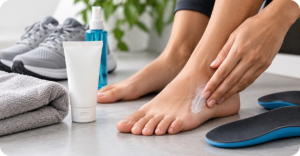
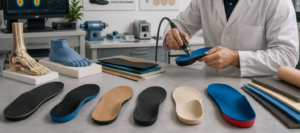
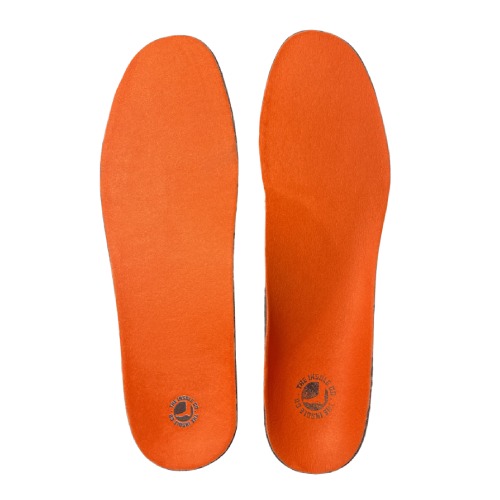
Orthotics are designed to reduce foot pain and provide better support. However, many people experience discomfort after they start using them, especially around the arch.
This can feel confusing, but in most cases, the issue has a clear cause and can be corrected. Read this guide to understand why orthotics or arch supports may hurt your feet and what you can do to fix it.
Can Orthotics Cause Foot Pain?
Yes, orthotics can cause foot pain, particularly when you first start using them.
They change how your foot interacts with the ground by supporting the arch and redistributing pressure. If your body is used to a different walking pattern, this shift can feel uncomfortable at first.
That said, pain should not continue for long. It is important to understand the difference between normal adjustment and a problem with the orthotic or arch support itself.
Common Reasons Why Orthotics or Arch Supports Hurt Your Feet
Several factors can cause discomfort, especially when orthotics or arch supports do not match your foot or usage.
1. Your Feet Are Still Adjusting
When you begin using orthotics or arch supports, your feet are placed in a new position. This activates muscles that were not being used properly before.
For example, if you have flat feet, adding arch support shifts pressure from the heel and forefoot to the arch. This change can lead to:
- Mild soreness in the arch
- Slight stiffness while walking
- A feeling of pressure under the foot
This type of discomfort is normal and usually improves within 7 to 14 days if you increase usage gradually.
2. The Arch Support Is Too High or Too Firm
One of the most common reasons arch supports cause pain is incorrect arch height.
If the arch support is too high or too rigid:
- It presses into your foot instead of supporting it
- It creates concentrated pressure rather than spreading it evenly
This often leads to:
- Sharp pain in the arch
- Discomfort while standing
- Pain that worsens over time
3. The Orthotics Do Not Fit Properly
Even a small sizing issue can cause discomfort.
Orthotics should match:
- The length of your foot
- The width of your shoe
- The natural curve of your arch
If they do not fit correctly, pressure becomes uneven.
| Fit Issue | Result |
|---|---|
| Too small | Lack of support and instability |
| Too large | Movement or folding in the shoe |
| Wrong shape | Pressure points and discomfort |
4. You Are Using Them in the Wrong Shoes
Arch supports rely on the shoe for stability. If the shoe is not suitable, the support cannot function properly.
Problems usually occur when:
- Shoes are too tight and compress the arch support
- Shoes are too flat and lack structure
- There is not enough depth inside the shoe
This increases pressure on the arch, heel, and toes. A suitable shoe should allow the orthotic to sit flat and support your foot without forcing it upward.
5. You Started Wearing Them Too Much Too Soon
A common mistake is wearing orthotics for a full day immediately.
This puts too much strain on your feet before they have time to adjust to the arch support. A gradual approach works better:
Time Period | Recommended Use |
First 3 days | 2 to 3 hours daily |
Days 4–7 | 4 to 6 hours |
Week 2 onwards | Full-day use |
This allows your muscles to adapt naturally and reduces discomfort.
6. The Material Does Not Match Your Needs
Different insole materials provide different levels of support and cushioning.
Material Type | Best For | Limitation |
Firm orthotic | Strong arch support and alignment | Can feel stiff |
Memory foam | Comfort and cushioning | May lose shape over time |
Gel | Shock absorption | Limited structural support |
If the material does not suit your activity level or foot type, it can lead to discomfort instead of relief.
Side Effects of Wearing the Wrong Orthotics
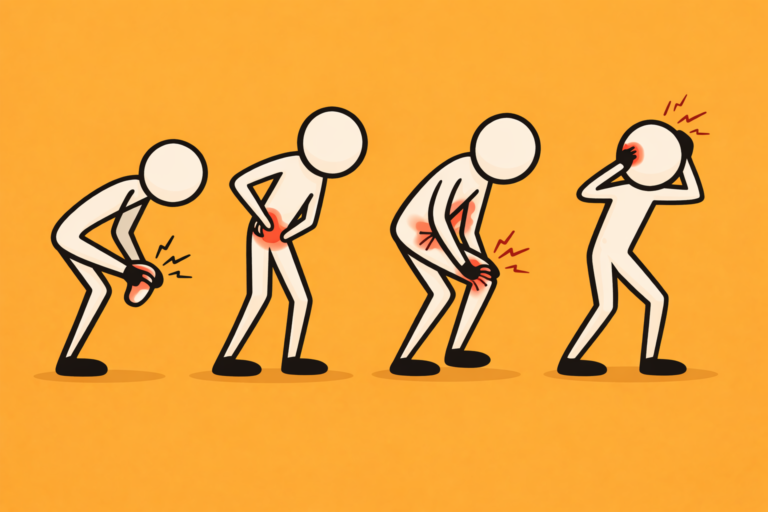
If arch supports are not suitable, the effects are not limited to your feet.
You may experience:
- Ongoing arch pain
- Heel pain, especially in the morning
- Knee discomfort while walking
- Lower back strain after standing
This happens because your feet form the base of your posture. Poor support affects alignment throughout your body.
Your Body Is Still Adjusting to Your Orthotics
Even well-fitted orthotics can feel uncomfortable at the beginning.
They change how your foot moves, how pressure is distributed, and how your body aligns. As a result, muscles and joints that were not previously active start working more.
You may notice:
- Mild soreness in the arch
- Muscle fatigue after walking or standing
- Slight discomfort after longer use
This is usually temporary and should improve within one to two weeks. A good sign is that the discomfort reduces gradually over time.
If the pain becomes sharper, more intense, or does not improve, it may not be part of the adjustment process.
When Discomfort Is NOT Normal
While some discomfort is expected, certain signs indicate a problem.
You should take action if you notice:
- Pain that increases instead of improving
- Sharp or localised pain in the arch or heel
- Discomfort lasting more than 2 to 3 weeks
- Skin irritation or blisters
These symptoms often point to:
- Incorrect fit
- Unsuitable arch support
- Poor material choice
Continuing to use orthotics in such cases can worsen the issue. It is better to reassess early.
The Customization Solution
Many problems arise from using generic insoles that do not match individual needs.
Feet differ in:
- Arch height
- Pressure distribution
- Daily activity levels
A better approach is to choose insoles based on:
- Your foot type
- How long you stand or walk
- The type of footwear you use
For example:
- Someone standing all day needs structured arch support
- Someone walking occasionally may need more cushioning
Using a well-matched insole improves comfort and reduces unnecessary strain.
Tips to Prevent Pain from Wearing Arch Supports
1. Break Them In Gradually
Start with a few hours each day instead of wearing them all day immediately. This allows your arch to adjust to the new support.
2. Ensure Proper Arch Fit
The arch support should align with your natural arch. If it feels like it is pressing into one spot, it is likely not the right fit.
3. Choose Suitable Shoes
Use shoes that provide enough space and structure. This helps the arch support function correctly without adding pressure.
4. Monitor Pain Levels
Mild discomfort should improve over time. If pain worsens, it is a sign that something is not right.
5. Replace Worn-Out Insoles
Old insoles lose their shape and stop supporting your arch properly, which can lead to pain.
6. Select the Right Arch Support Type
Choose insoles based on your foot type and daily activity. The wrong type of support is a common cause of discomfort.
Are Custom Orthotics Worth It?
Custom orthotics can be useful when they are correctly designed for your needs.
They help:
- Improve alignment
- Reduce strain on joints
- Provide consistent support
However, they are not always necessary. Many people benefit from well-designed insoles that match their daily routine and provide the right level of arch support.
The key is choosing something that fits properly and suits your usage.
Final Thoughts
If your orthotics or arch supports are hurting your feet, there is always a reason behind it.
In most cases, the issue is related to adjustment time, fit, or incorrect usage. These problems can usually be fixed with simple changes.
Pay attention to how your feet respond, make gradual adjustments, and choose the right support for your needs. If discomfort continues, it is best to reassess rather than ignore it.