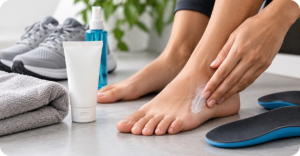
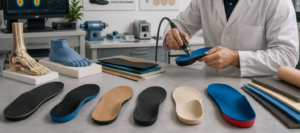
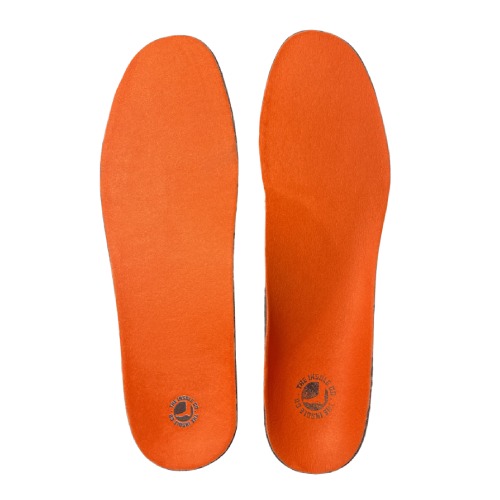
Arch supports can hurt flat feet when the support is too high, too firm, placed in the wrong area, or worn for too long before your feet have adjusted. Flat feet usually have a low arch profile, so a firm arch support may feel like it is pressing into the bottom of the foot instead of supporting it comfortably.
Mild pressure or some initial sensitivity under the arch can happen when you first start using arch supports, especially if your feet are not used to structured support. This should feel like gentle pressure, not pain, and it should gradually become more comfortable as you ease into wearing them.
However sharp pain, rubbing, numbness, or discomfort that gets worse with use is different. These signs may mean the arch support is too high, too firm, not positioned correctly, or not fitting well inside your shoe. If that happens, stop wearing them for long periods and have the fit checked by a qualified orthotist/podiatrist.
Common Reasons Arch Supports Hurt Flat Feet
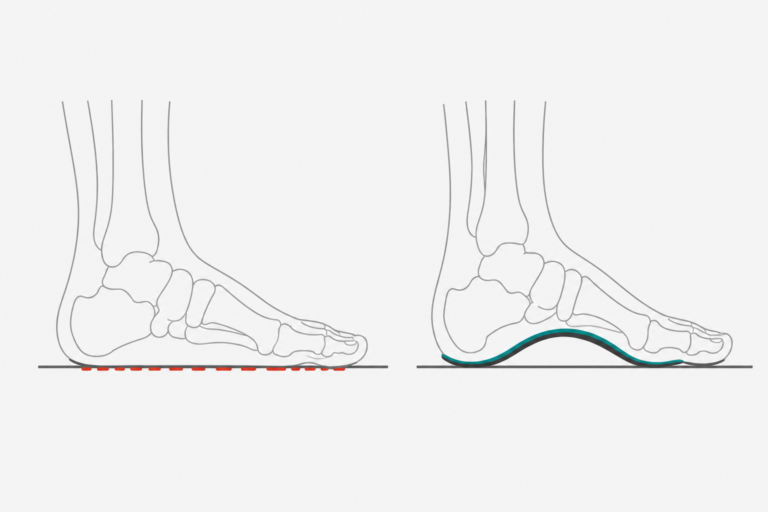
1. The Arch Support Is Too High
A high arch support can feel uncomfortable if your natural arch is low. Instead of feeling supported, it may feel like the insole is pushing into the bottom of your foot.
This is one of the most common reasons people with flat feet say their arch supports hurt.
Signs the arch may be too high include:
- A hard lump feeling under the arch
- Pressure in one specific spot
- Discomfort that increases the longer you wear the insole
- The feeling that your foot is being forced upward
2. The Support Is Too Firm
Firm support is not automatically bad, but it must match your foot and activity. If the material is too hard or does not match your foot shape, it can create pressure instead of comfort.
For flat feet, a gradual contour may feel better than a very aggressive arch shape. The goal is not to force the foot into a high arch, but to support the foot in a way that feels stable and comfortable.
3. You Wore Them Too Long Too Soon
New arch supports can feel different because they change pressure and movement patterns. The Royal National Orthopaedic Hospital NHS says foot orthoses may change the way you walk, so you need time to get used to them. Their patient guide recommends gradually increasing wear time, aiming toward all-day use within two to three weeks.
This is important for flat feet because wearing new arch supports all day immediately may create soreness, even if the insole is generally suitable.
4. Your Shoes Are Too Tight or Shallow
Sometimes arch support is not the only issue. The shoe may not have enough space.
It is imperative to choose footwear that allows a comfortable fit when the insoles are in the shoes. If your shoes are too tight, narrow, or shallow, the arch support may push your foot upward and create extra pressure. This can make the insole feel more uncomfortable than it actually is.
Check whether:
- Your toes have enough room
- The shoe feels tight across the midfoot
- The heel feels secure
- The original shoe insole was removed before adding the arch support
- The shoe has enough depth for an insert
5. The Support Is in the Wrong Position
Arch supports need to line up with your foot. If the highest point of the support sits too far forward, too far back, or too close to the inner edge of the shoe, it can create pressure.
This is why two insoles with the same “flat feet” label can feel very different. The shape, placement, and shoe fit all matter.
6. The Insole Does Not Match Your Activity
A person standing all day may need a different level of cushioning and support than someone using insoles only for short walks. Work shoes, sports shoes, formal shoes, and safety shoes also fit differently.
If the arch support does not match your shoe type or routine, it may feel uncomfortable even if it looks suitable on paper.
Is It Normal for Arch Support to Hurt at First?
A little pressure or awareness can be normal at first because your feet are getting used to new support. But arch support should not cause sharp pain, rubbing, numbness, or discomfort that gets worse with use.
Use this simple guide:
| What You Feel | What It May Mean |
|---|---|
| Mild pressure under the arch for a short time | Your foot may be adjusting to new support |
| Arch support feels like a hard lump | The arch may be too high, too firm, or poorly placed |
| Shoe feels tighter after adding the insole | The shoe may not have enough depth |
| Pain gets worse the longer you wear it | The fit may need to be checked |
| Rubbing, blisters, numbness, or sharp pain | Stop using it and speak with a qualified professional |
When Should You Consult Your Podiatrist or Orthotist?
You should recheck the fit with an orthotist/podiatrist if you experience the following while wearing the arch support:
- Sharp pain
- Rubbing or blisters
- Numbness or tingling
- Pain that gets worse with use
- A feeling that the arch is digging into your foot
- New discomfort in your heel, knee, hip, or lower back
- A walking pattern that feels uncomfortable or unstable
Mild discomfort may improve gradually. But pain that continues or worsens should not be treated as normal.
FAQs
-
What happens when arch supports are too high for flat feet?
If the arch support is too high, it may feel like a hard bump pressing into the bottom of the foot. For some people with flat feet, a lower-profile or more gradual arch contour may feel more comfortable.
-
Should I stop wearing arch supports if they hurt?
If the pain is sharp, causes rubbing, or gets worse the longer you wear them, stop using them and get the fit checked. Mild pressure can happen at first, but pain should not be ignored.
-
Can the wrong shoes make arch supports hurt?
Yes. If your shoes are too tight, narrow, or shallow, the arch support may take up extra space and press into your foot. Shoes with enough depth and a secure fit usually work better with insoles.
-
Why does my arch support hurt only in one shoe?
The same arch support can feel different in different shoes because of shoe depth, width, shape, and how much space is available inside. If it hurts in only one shoe, the shoe fit may be the main issue.
-
What should arch support feel like for flat feet?
Arch support should feel stable and supportive, not sharp, hard, or forceful. It should help your foot feel secure inside the shoe without digging into the arch or changing your walk in an uncomfortable way.
Final Takeaway
Arch supports can hurt flat feet when they are too high, too firm, poorly positioned, or used in shoes that do not have enough space. Flat feet do not always need treatment or strong support, especially if they are not painful. But when support is needed, the goal is comfort, stability, and better pressure distribution, not forcing the foot into a high arch.
If your arch support feels mildly different at first, ease into it gradually. If it causes sharp pain, rubbing, numbness, or discomfort that gets worse, stop using it and have the fit checked by a qualified professional.
For more related reading check out: Why Do My Orthotics Hurt My Arch?
Disclaimer
This article is for educational purposes only and should not be used as a medical diagnosis or treatment plan. If you have ongoing foot pain, worsening discomfort, numbness, swelling, or difficulty walking, speak with a qualified healthcare professional.