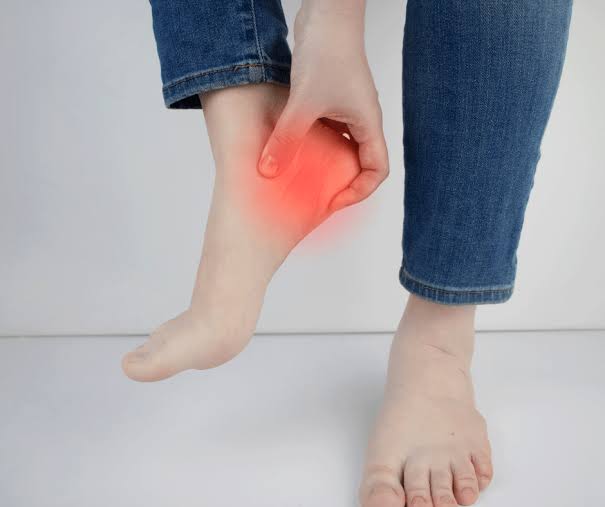
Heel pain can become more noticeable during winter, especially for people with existing conditions such as plantar fasciitis or Achilles tendinopathy. The first few steps after waking up may feel particularly painful, while walking after prolonged sitting can also cause discomfort.
But is cold weather actually responsible?
Although cold exposure has been associated with certain musculoskeletal problems, there is limited scientific evidence that winter temperatures directly worsen plantar fasciitis. Reduced activity, existing muscle tightness, and inadequate footwear may offer more useful explanations for increased heel discomfort.
Understanding these factors can help you manage symptoms and prevent unnecessary strain on your feet.
Why Can Heel Pain Feel Worse During Winter?
1. Cold Weather May Contribute to Stiffness
Cold exposure can affect muscle function and musculoskeletal comfort. Some people experience greater stiffness or discomfort when moving in colder conditions. A 2022 review published in Frontiers in Physiology found associations between cold exposure and certain musculoskeletal conditions. However, it did not establish that cold weather aggravates existing plantar fasciitis.
This distinction is particularly relevant in India, where winter temperatures vary considerably. While northern regions may experience substantial cold, cities such as Bengaluru, Mumbai, and Chennai generally have milder winters.
There is no strong clinical evidence that these relatively mild temperatures directly increase inflammation or damage the plantar fascia.
2. Prolonged Inactivity Can Make Heel Pain More Noticeable
People with plantar fasciitis commonly experience pain when they begin walking after resting. Known as first-step pain, this discomfort typically occurs after waking up or sitting for extended periods. It often improves with initial movement but may return after prolonged standing or walking, as described in NHS guidance on plantar fasciitis.
Changes in activity during winter may make this pattern more noticeable. For people who spend long hours at a desk or sitting during daily commutes, heel pain may also occur when they stand and begin walking again.
However, this is a characteristic symptom of plantar fasciitis throughout the year, not something exclusive to winter.
3. Tight Calf Muscles Can Increase Stress on the Heel
The calf muscles and Achilles tendon influence how the ankle moves during walking. When calf muscles are tight or ankle movement is restricted, additional mechanical stress may be placed on the plantar fascia.
Reduced physical activity may make it harder to maintain flexibility, particularly in people who already have limited ankle movement. The 2023 clinical practice guidelines for plantar fasciitis recommend calf and plantar fascia-specific stretching to help reduce pain and improve foot function.
4. Walking Barefoot on Hard Floors May Aggravate Heel Pain
Walking barefoot indoors is common in many Indian households, particularly on tiled, marble, or granite floors. For people with plantar fasciitis, these hard surfaces may aggravate existing heel pain because barefoot walking provides little cushioning. Discomfort may be especially noticeable when getting out of bed in the morning.
Although floors may feel colder during winter, there is insufficient evidence that the temperature of the floor itself causes plantar fasciitis. The NHS advises avoiding barefoot walking on hard surfaces when managing plantar fasciitis. Supportive indoor footwear with appropriate cushioning may help reduce discomfort.
Which Heel Conditions May Become More Noticeable During Winter?
Several underlying conditions can cause heel pain, although colder weather is not necessarily responsible for worsening symptoms.
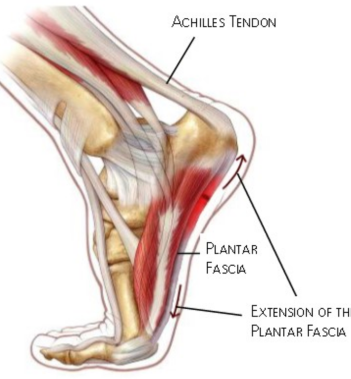
image courtesy: stayactiveup.com
- Plantar fasciitis: A common cause of pain underneath the heel. It typically produces sharp discomfort during the first few steps after rest.
- Achilles tendinopathy: Causes pain and stiffness at the back of the heel or along the Achilles tendon, particularly when starting physical activity.
- Heel bursitis: Can cause localised pain, tenderness, and swelling near the heel. Pressure from poorly fitting footwear may aggravate symptoms.
These conditions involve different structures and require different treatment approaches. See the NHS overview of common causes of heel pain for distinguishing symptoms.
How to Relieve Heel Pain During Winter
Most cases of mechanical heel pain can initially be managed through conservative measures.
1. Stretch Your Calves and Plantar Fascia
Regular stretching can help reduce pain and improve flexibility in people with plantar fasciitis. Try gentle calf stretches against a wall. To stretch the plantar fascia, sit down and gently pull your toes towards your shin.
Performing these stretches before taking your first steps in the morning may be particularly helpful.
2. Avoid Sitting for Extended Periods
If you work at a desk, take regular movement breaks. Walking briefly and moving your ankles can help maintain mobility and reduce prolonged periods of inactivity.
However, avoid suddenly increasing walking or exercise intensity if it aggravates your symptoms.
3. Wear Appropriate Footwear Indoors and Outdoors
Choose footwear with adequate heel cushioning and suitable arch support. If barefoot walking on hard indoor floors causes discomfort, consider supportive house slippers rather than thin, flat footwear.
Avoid shoes or slippers that consistently worsen your symptoms.
4. Consider Insoles for Additional Support
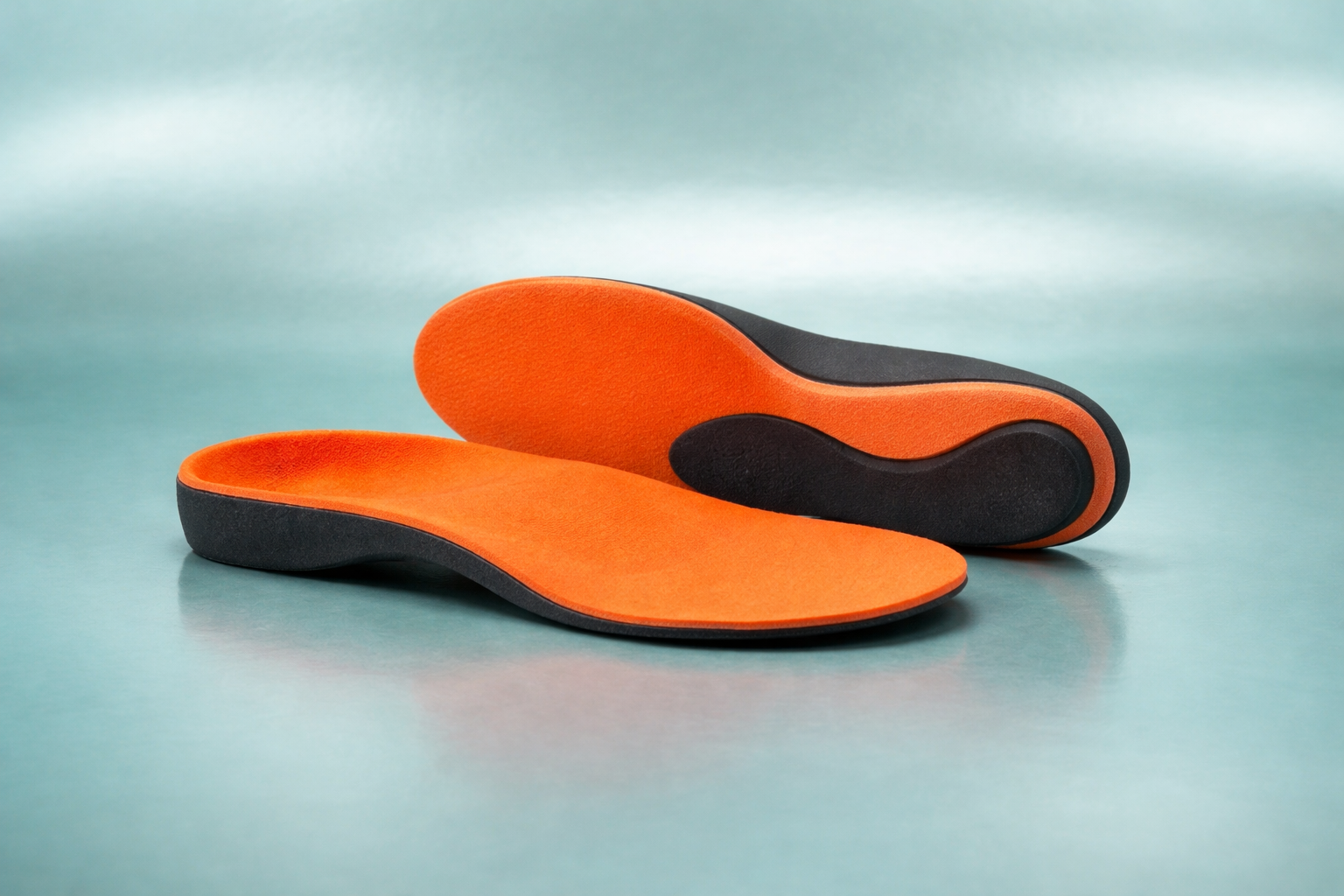
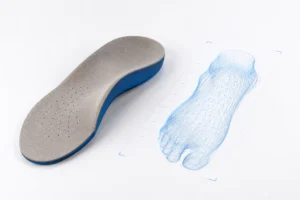
Insoles can provide heel cushioning and arch support, potentially improving comfort for people with plantar fasciitis. Both prefabricated and custom-made insoles may be appropriate, depending on individual needs.
However, insoles should not be used as the sole treatment for plantar fasciitis.
The 2023 plantar fasciitis guidelines recommend combining foot orthoses with other interventions, such as stretching and strengthening exercises.
If symptoms persist, a professional foot assessment can help determine whether additional support is necessary.
5. Consider Treatment for Persistent Morning Pain
For people who regularly experience significant heel pain during their first steps in the morning, a healthcare professional may recommend a night splint.
Night splints help maintain a gentle stretch in the plantar fascia and calf muscles during sleep. The 2023 clinical guidelines recommend a one- to three-month programme for individuals with plantar fasciitis who consistently experience first-step morning pain.
When Should You See a Doctor?
Consult an orthopaedic doctor or another qualified healthcare professional if:
- Heel pain persists for more than two weeks despite self-care.
- Pain progressively worsens or interferes with everyday activities.
- You experience numbness, tingling, or reduced sensation in your foot.
- You have diabetes and develop heel pain.
Seek urgent medical attention if severe heel pain follows an injury, particularly if you hear a popping sound or suddenly cannot walk normally. These warning signs are described in the NHS heel pain advice.
Final Thoughts
Heel pain may become more noticeable during winter, particularly in people with existing conditions such as plantar fasciitis. However, cold weather is not necessarily the direct cause. Prolonged inactivity, calf tightness, and inadequate footwear may contribute to discomfort.
Regular stretching, supportive footwear, appropriate physical activity, and suitable insoles can help manage mechanical heel pain. If symptoms persist, seek a professional assessment to identify the underlying condition and receive appropriate treatment.