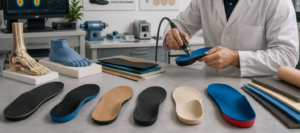
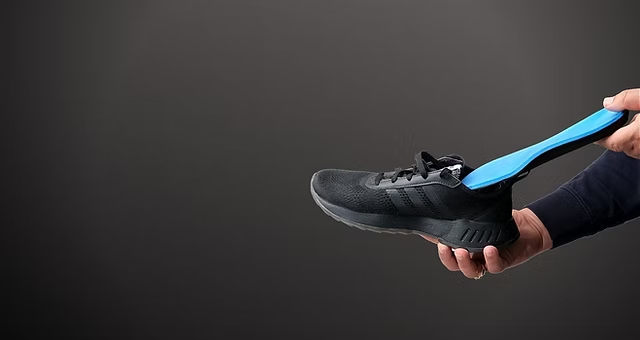
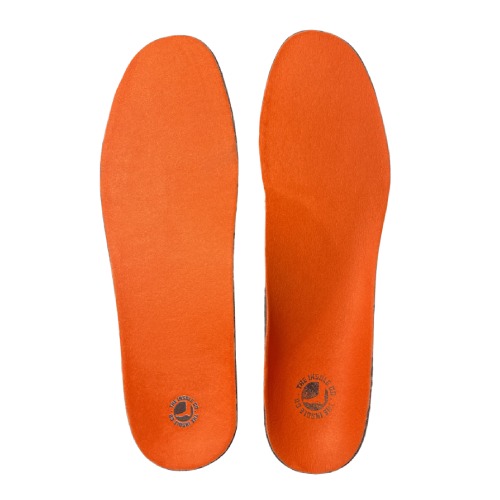
Custom insoles are shoe inserts made to match your foot shape and your walking style. They are designed to support your arches, improve alignment, reduce pressure on painful spots, and make walking or standing more comfortable.
Regular store insoles are made for general comfort. Custom insoles are made for your specific needs, especially when pain or repeated strain keeps coming back
Insoles play a key role in maintaining foot comfort and overall health. With growing awareness about posture and mobility, many people are turning to custom insoles for better support. Unlike standard insoles, custom versions are made to match your exact foot shape and movement pattern. This guide explains what custom insoles are, why they matter, how they work, and how to choose the right pair for your needs.
What Are Custom Insoles?
Custom insoles, also known as custom orthotics, are specially designed footbeds made to match your unique foot structure. They are crafted using materials like EVA foam, carbon fiber, or gel for durability and comfort. Each pair is custom-molded to support your gait, posture, and pressure points precisely.
Who Custom Insoles Help
Custom insoles can help many types of users, especially when their daily routine puts stress on the feet.
People who commonly benefit
- People with flat feet or fallen arches
- People with high arches
- People who stand for long hours such as teachers, nurses, warehouse staff, retail staff
- Walkers, runners, gym users, sports players
- People with plantar fasciitis, heel pain, forefoot pain
- People with bunions or pressure points
- People with arthritis related foot pain
- People with diabetes who need pressure protection and safer load distribution.
What They Can Help With
1. Plantar fasciitis and heel pain
How it helps: Reduces pull on the tissue under the foot and supports the arch.
Example: Sharp heel pain in the morning often reduces when arch support and heel cushioning are matched to your foot type.
2. Flat feet and overpronation
How it helps: Adds structure to reduce excess inward rolling and improves stability.
Example: Inner shoe wear and ankle fatigue can improve when the insole supports the arch and controls foot motion.
3. High arches and forefoot pressure
How it helps: Adds cushioning and spreads pressure more evenly.
Example: Pain under the ball of the foot can reduce when the insole supports the arch and softens forefoot impact.
4. Knee discomfort linked to foot posture
How it helps: Foot alignment can affect how the knee tracks during walking.
Example: Mild knee pain during long walks may reduce when the foot gets stable support.
5. Diabetes foot pressure and calluses
How it helps: Lowers peak pressure in high risk areas.
Example: People with diabetes and recurring calluses may benefit from pressure relief materials and full contact support.
Note: if you have severe pain, swelling, numbness, wounds, or diabetes related concerns, a clinical evaluation is important.
Custom Insole Selection and Use Checklist
| Step | What to do | Quick pointers |
|---|---|---|
| 1 | Identify your needs |
Check your foot type, activity level, and pain concerns
|
| 2 | Choose your customization method |
Decide between clinic made orthotics or semi custom kits
|
| 3 | Check key insole features |
Match arch support, material, and thickness to your shoes and needs
|
| 4 | Follow the correct insole process |
Use the right steps based on the type you select
|
| 5 | Break them in safely |
Increase wear time slowly to avoid discomfort
|
Final Note:
At The Insole Company, our guided process combines expert assessment, advanced foot scanning, and precise fitting to create custom insoles tailored to your feet for reliable support and lasting comfort.
FAQs
- Are custom insoles and orthotics the same?
Orthotics is a broad term. Many custom insoles are orthotics, especially when they are designed to improve alignment and reduce strain. - Do custom insoles permanently fix flat feet?
They usually improve support and comfort, but they do not change bone structure. They help manage strain and reduce symptoms. - How long does it take to feel results?
Some people feel improvement within days. Others take a few weeks, especially if the body is adjusting to better alignment. - Can I use custom insoles in formal shoes?
Some can, but many formal shoes have less depth. Thin designs work better in tighter shoes. - Should I wear them all day from day one?
No. Gradual break in is safer and more comfortable. - Are semi custom foam kit insoles worth it?
They can work well for many people who want more personalization than store insoles and do not need complex medical correction. - When should I see a podiatrist?
If pain is severe, keeps returning, affects walking, or if you have diabetes, numbness, swelling, or wounds.