Foot pain is one of those things that quietly shapes your entire day. It affects how you walk to the kitchen in the morning, whether you can stand through a full shift at work, and whether you feel confident enough to stay active. When your feet hurt regularly, everything else becomes harder.
If you have been experiencing overweight foot pain, or you are wondering whether your body weight is making an existing foot problem worse, you are not alone. This is a very common concern, and the good news is that there are practical steps that can help. This article explains how extra body weight can affect the feet, what types of pain are most common, and what kinds of support may offer genuine relief.
Can Being Overweight Cause Foot Pain?
Yes, being overweight can contribute to foot pain, though it is rarely the only factor involved.
The feet carry the full weight of the body every time you stand, and considerably more force is generated with every step you take. Research suggests that during normal walking, the force passing through the foot can be one to one-and-a-half times body weight. During activities like running or going down stairs, that figure increases further.
So can being overweight cause foot pain? In short, yes, it can, by increasing the load the feet must manage throughout the day. But it is worth noting that foot pain has multiple causes, including footwear, posture, activity level, foot structure and underlying health conditions. Body weight is one piece of a larger picture.
Does being overweight cause foot pain in every person? Not necessarily. Some people carry more body weight without significant foot problems because they have good arch support, wear appropriate footwear and have strong foot and calf muscles. Others may experience foot pain at a lower weight due to flat feet, overpronation or unsuitable shoes.
Why Overweight and Foot Pain Are Connected
The connection between overweight and foot pain comes down to pressure, repetition and the body’s structure.
The foot is made up of 26 bones, 33 joints and more than 100 muscles, tendons and ligaments. It is designed to absorb shock, support your weight and propel you forward with each step. When the load on the foot increases, every part of that structure works harder.
Here is how the relationship plays out:
Increased pressure on the heel and arch. The heel bone and the arch of the foot bear the majority of body weight during standing and walking. Higher body weight means greater force passing through these structures with each step.
Arch strain. The plantar fascia, a thick band of tissue running along the bottom of the foot, supports the arch. When it is consistently under higher load, it can become strained, inflamed or painful.
Heel load. The fat pad under the heel, which acts as a natural cushion, can thin or become compressed over time with repeated high-pressure impact.
Joint stress. Increased body weight raises the load on the ankle, knee and hip joints. This can alter the way a person walks, which in turn changes how weight is distributed across the foot.
Gait changes. When joints are under stress, the body naturally adjusts its movement pattern. These adjustments can shift pressure to areas of the foot that are less equipped to handle it.
The good news is that understanding this connection points toward real solutions. Supportive footwear, properly fitted insoles and gradual lifestyle adjustments can all reduce strain on the feet.
Common Types of Foot Pain Linked With Extra Body Pressure
Not all foot pain feels the same, and different areas of the foot can be affected in different ways. The table below outlines the most common types of pain associated with increased body pressure.
| Type of Pain | Where It Is Felt | Possible Reason | What May Help |
|---|---|---|---|
| Heel pain | Bottom or back of the heel | Pressure on the heel fat pad; plantar fascia strain | Heel cup insoles, cushioned footwear, stretching |
| Arch pain | Along the inner bottom of the foot | Arch overload; flat feet or overpronation | Arch support insoles, motion-control footwear |
| Ball of foot pain | Beneath the toes at the front of the foot | Metatarsal pressure redistribution; unsuitable shoes | Metatarsal pad insoles, wide-fit supportive shoes |
| Ankle discomfort | Around or beneath the ankle joint | Increased joint load; overpronation causing ankle rolling | Stability shoes, ankle strengthening exercises |
| Plantar fasciitis-type pain | Bottom of the heel, often worst in the morning | Plantar fascia inflammation from sustained overload | Arch support, calf stretching, rest, medical review |
| Tired or aching feet | Across the whole foot | General fatigue from sustained pressure | Rest breaks, cushioned insoles, supportive footwear |
Why Heel Pain Is Common When Body Weight Increases
Of all the places the foot can hurt, the heel is the most common site for pain related to increased body weight.
This comes down to anatomy. During standing and walking, the heel strikes the ground first and absorbs a significant proportion of the impact. The plantar fascia attaches at the heel bone and, when under repeated strain, can develop small tears or become inflamed. This condition is commonly called plantar fasciitis.
Foot pain from being overweight often appears at the heel first because the heel is the primary load-bearing point. The pain is typically described as a sharp or stabbing sensation, often worst with the first few steps in the morning or after sitting for a period of time.
It is important to say that heel pain has many causes, and not everyone with heel pain has it because of body weight. Poor footwear, tight calf muscles, standing on hard floors for long hours and foot structure all play a role. However, when body weight is higher, the forces involved in every step are greater, and the heel often bears the consequences.
How Foot Arches Are Affected
The arch of the foot acts as a natural shock absorber. It spreads the force of impact across the foot and helps the body move efficiently.
When the load on the foot is consistently high, the arch can be placed under more stress than it is designed to handle. Over time, this can lead to:
Arch fatigue. The muscles and tendons supporting the arch tire more quickly, leading to aching sensations during or after activity.
Overpronation. This is when the foot rolls inward more than it should during walking or running. Overpronation changes the angle at which force passes through the foot and can cause pain not just in the arch but also the ankle, shin and knee.
Flat feet or arch collapse. In some people, the arch progressively flattens under sustained load. This can develop gradually and may not cause pain immediately, but over time it changes the mechanics of the foot.
Arch support, whether through well-structured footwear or properly fitted insoles, helps maintain the arch’s natural position and reduces the amount of work the foot’s soft tissues have to do. This is why arch support is one of the most consistently recommended forms of relief for people dealing with overweight and foot pain.
Overweight Foot Pain Relief: What Can Help?
There are several practical approaches to managing and reducing foot pain. None of them is a quick fix, but used consistently, they can make a meaningful difference.
Practical Relief Steps
- Wear supportive shoes. Choose footwear with good arch support, a cushioned midsole and a firm heel counter. Avoid flat, unsupportive shoes for extended wear.
- Use proper arch support insoles. Off-the-shelf insoles with arch support can help, though custom insoles offer a more precise fit for your foot type.
- Avoid long periods of barefoot walking on hard floors. Tiles, concrete and hardwood offer no shock absorption. Even at home, wearing supportive footwear or slippers with a structured sole is advisable.
- Start with low-impact activity. If you want to increase movement, swimming, cycling and gentle walking on softer surfaces place less stress on the feet than running or high-impact exercise.
- Stretch your calves and feet. Tight calf muscles increase strain on the plantar fascia. Regular gentle stretching can reduce tension across the whole foot.
- Rest and ice when needed. If an area of the foot is inflamed, rest it and apply an ice pack wrapped in a cloth for 15 to 20 minutes at a time.
- Replace worn-out shoes. The cushioning and support in footwear degrades over time. Worn shoes may offer very little protection even if they look acceptable from the outside.
- Seek medical advice for persistent or severe pain. If pain is not improving after a few weeks of self-care, or if it is affecting your daily life, a podiatrist or doctor can assess the underlying cause properly.
| Relief Method | How It Helps | Best For |
|---|---|---|
| Arch support insoles | Reduces strain on the plantar fascia and arch | Arch pain, heel pain, overpronation |
| Cushioned supportive footwear | Absorbs impact and provides structure | Daily walking, standing, general use |
| Calf and foot stretching | Reduces tension in the plantar fascia and Achilles tendon | Morning heel pain, plantar fasciitis-type pain |
| Rest and ice | Reduces inflammation in acutely painful areas | Flare-ups, post-activity pain |
| Low-impact movement | Maintains activity without high pressure on feet | People wanting to stay active with foot pain |
| Metatarsal pad insoles | Redistributes pressure away from the ball of the foot | Ball of foot pain |
| Podiatrist assessment | Identifies specific cause and recommends targeted treatment | Ongoing or severe pain |
Can Insoles Help With Overweight Foot Pain?
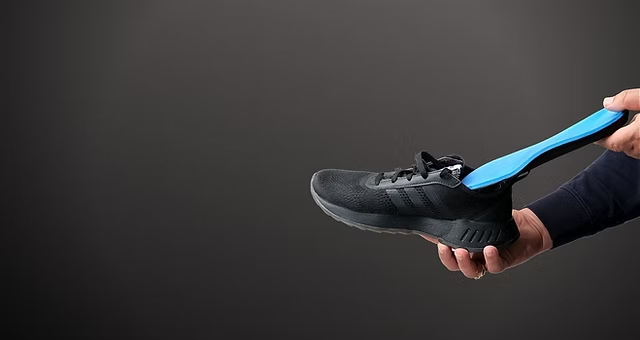
Insoles are one of the most widely used tools for managing foot pain, and for good reason. A well-designed insole can support the arch, stabilize the heel, distribute pressure more evenly across the foot and reduce the impact of each step.
For people managing foot pain related to higher body weight, the right insole can make standing and walking noticeably more comfortable. However, it is worth understanding what different types of insoles offer.
Soft cushioning insoles alone may not be enough. While they make the foot feel more comfortable initially, they do not address the root issue of poor arch support or uneven pressure distribution. Over time, purely soft insoles can compress and lose their effectiveness relatively quickly.
Insoles with structured arch support and firm heel cups tend to be more effective for this kind of foot pain. They help the foot maintain a better mechanical position, which reduces the load on the plantar fascia, heel and joints.
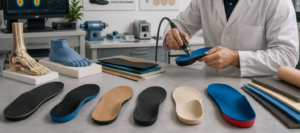
For people with flat feet, high arches, significant overpronation, or those who spend long hours on their feet, custom insoles are worth considering. These are made specifically for your foot shape and pressure pattern, meaning the support goes precisely where you need it.
Custom Insoles vs Regular Insoles for Foot Pain
Both regular and custom insoles can help, but they are not the same. The table below outlines the key differences.
| Feature | Regular Insoles | Custom Insoles |
|---|---|---|
| Fit | Generic sizing, not foot-specific | Made precisely for your foot shape |
| Arch support | Pre-set height, may not match your arch | Designed for your specific arch profile |
| Pressure relief | General cushioning across the foot | Targeted relief based on your pressure points |
| Durability | Typically 6 to 12 months depending on use | Longer-lasting with proper care, often 2 or more years |
| Suitability for ongoing pain | Useful for mild to moderate discomfort | More appropriate for persistent or complex foot pain |
| Personalization | None | Full, based on foot assessment and gait analysis |
If you are managing mild foot discomfort, a quality over-the-counter insole with structured arch support is a sensible first step. If pain continues, worsens or significantly affects your daily life, a custom insole assessment is a more targeted approach.
What to Avoid When You Have Foot Pain
Some common habits can slow recovery or make foot pain worse. It is worth being aware of them:
- Ignoring foot pain for weeks or months without taking action
- Wearing flat, thin-soled slippers around the house all day
- Continuing to use worn-out shoes with compressed or damaged soles
- Choosing only very soft insoles without structured arch support
- Starting sudden, high-impact exercise without building up gradually
- Walking barefoot on hard floors for long stretches, particularly first thing in the morning
- Self-diagnosing and attempting to treat serious pain without professional guidance
When to See a Doctor or Podiatrist
Most foot pain can be managed with the right footwear, insoles, rest and stretching. However, some situations do warrant professional assessment. Seek medical advice if you experience any of the following:
- Severe pain that limits your ability to walk or bear weight
- Swelling that does not reduce with rest and elevation
- Numbness or tingling in the foot or toes
- Sudden sharp pain following an injury or fall
- Pain that has not improved after two to four weeks of self-care
- Foot pain alongside diabetes or circulation issues
- Skin wounds, ulcers or sores on the feet
- Difficulty walking in a normal pattern
A podiatrist can assess your gait, foot structure and pressure distribution, and recommend the most appropriate course of action for your specific situation.
Lifestyle Tips That Reduce Pressure on Feet
Managing foot pain is not only about what goes on your feet. There are broader lifestyle factors that influence how much pressure the feet experience day to day.
Gradual weight management. If a healthcare professional has recommended reducing body weight for your health, even modest changes can reduce the load on the feet. This is worth pursuing under professional guidance and without pressure or rush.
Low-impact movement. Activities such as swimming, cycling and walking on softer surfaces like grass or rubber tracks allow you to stay active while minimising the impact force on the feet.
Strengthening foot and calf muscles. Stronger muscles support the arch and absorb more of the impact that would otherwise pass through the plantar fascia and joints. Simple exercises like towel curls, calf raises and single-leg balance work can help over time.
Taking regular rest breaks. If your work or routine involves long hours on your feet, scheduled rest breaks reduce cumulative pressure and allow the foot’s soft tissues to recover.
Wearing supportive footwear from the start of the day. Rather than moving around in soft socks or unsupported slippers until later in the day, putting on properly supportive shoes earlier reduces the total load your feet carry over the course of the day.
Frequently Asked Questions
Can being overweight cause foot pain?
Yes, extra body weight increases the pressure placed on the feet during standing and walking, which can contribute to pain in the heel, arch and joints. However, foot structure, footwear, activity level and other health factors also play a role.
Does being overweight cause foot pain in the heel?
It can. The heel is the first point of contact during each step and bears a significant share of body weight. Higher pressure on the heel can strain the plantar fascia and the heel fat pad, leading to pain that is often worst in the morning or after rest.
What helps overweight foot pain relief?
Supportive footwear, arch support insoles, calf stretching, rest, icing inflamed areas and low-impact movement are all practical approaches. For persistent pain, a podiatrist can provide a more targeted assessment and treatment plan.
Can insoles help with foot pain from being overweight?
Yes, insoles that provide structured arch support and heel stabilization can reduce the strain placed on specific areas of the foot. They are not a cure on their own, but when used with supportive footwear and appropriate rest, they can offer meaningful relief.
Are soft insoles good for overweight foot pain?
Soft insoles can make the foot feel more comfortable, but they typically compress quickly under higher body weight and do not provide the structural support needed to address the underlying pressure distribution issues. Insoles with firm arch support and a structured heel cup tend to be more effective.
Should I use custom insoles for overweight and foot pain?
If you have flat feet, high arches, significant overpronation, persistent heel pain or spend many hours on your feet each day, custom insoles are worth considering. They are designed specifically for your foot shape and pressure pattern, which means the support is more precise and consistent than generic alternatives.
When should I see a doctor for foot pain?
See a doctor or podiatrist if you experience severe pain, swelling, numbness, tingling, a wound on the foot, or pain that does not improve after several weeks of self-care. People with diabetes should seek professional foot assessment promptly rather than waiting.
Conclusion
Body weight is one of several factors that can increase pressure on the feet and contribute to pain, particularly in the heel and arch. But experiencing overweight foot pain does not mean you have to accept discomfort as something that cannot be addressed.
Supportive footwear, properly fitted insoles, regular stretching, low-impact activity and appropriate rest can all reduce strain and improve comfort. If pain is persistent or severe, a podiatrist is the right person to assess what is specifically happening with your feet and recommend targeted support.