Plantar fasciitis is one of the most common causes of heel pain in adults. It can make something as everyday as a walk to the shops or a full day at work feel like a genuine ordeal. The condition centres around the plantar fascia – a thick band of tissue that runs along the bottom of your foot. This band stretches from the heel bone to the base of the toes, supports the natural arch and acts as a built-in shock absorber every time your foot strikes the ground.
When the plantar fascia is repeatedly overstretched or overloaded, tiny tears begin to form within the tissue. The body reacts to these micro-injuries with inflammation, and that’s when the trouble starts. You’ll often notice a sharp, stabbing pain at the bottom of the heel, particularly with your first few steps in the morning or after you’ve been sitting for a while. This painful, inflamed state is what we refer to as plantar fasciitis.
Plantar Fasciitis Causes: Why the Problem Starts
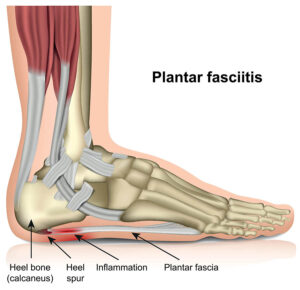
Image Courtesy: www.healthdirect.gov.au
Many people are puzzled by the sudden onset of heel pain, especially when there hasn’t been a clear “injury moment”. In reality, plantar fasciitis causes are usually a collection of small stresses that build up over time rather than one dramatic event.
1. Overuse and Impact
- Long-distance running on hard pavements Repeated impact on concrete or tarmac sends shock directly through the heel and arch.
- If your trainers are old, thin-soled or unsupportive, the plantar fascia ends up taking most of that force. Over time, this constant pounding creates tiny tears in the fascia, which then become inflamed and painful.
- Sudden increases in training or activity Jumping from occasional short jogs to intense training – for example, preparing for a half-marathon – doesn’t give the tissues time to adapt. The load on the plantar fascia rises quickly while its strength and flexibility lag behind.
This mismatch between demand and capacity leads to irritation and pain, even though there’s no single “injury incident”.
2. Poor Footwear
- Flat shoes and pumps with no arch support Fashion flats and basic pumps often have almost no structure inside the shoe. With each step, the arch collapses slightly, stretching the plantar fascia like an elastic band.
- Over time, this repeated overstretching leads to micro-tears and inflammation at the heel. Very worn trainers with tired soles Trainers that once felt supportive gradually lose their cushioning and stability.
- The midsole compresses, the tread wears unevenly, and shock absorption drops off sharply.
The plantar fascia then has to deal with much more impact and instability than it should, driving irritation and pain.
3. Foot Shape and Biomechanics
- Flat feet (fallen arches): With flat feet, the arch sits low and often collapses inwards when you walk.
- This rolling-in motion (overpronation) stretches the plantar fascia repeatedly with every step.
- The constant pulling, especially where the fascia attaches to the heel, is a major driver of plantar fasciitis.
- High arches: High-arched feet tend to be more rigid and don’t absorb shock as well as flatter feet.
- Instead of spreading impact, more force goes straight to the heel and ball of the foot.
- This extra pressure can irritate the plantar fascia at its heel attachment, even if the arch itself looks “good”.
- Overpronation and supination: Overpronation (foot rolling too far inwards) twists and flattens the arch, putting the fascia under extra strain.
- Supination (foot rolling outwards): concentrates pressure on the outer edge and heel. In both cases, the way force travels through the foot becomes unbalanced, and the plantar fascia is repeatedly stressed in ways it wasn’t designed for.
4. Age and Weight
- Age: most common between 40 and 60: As we get older, the soft tissues in the feet become slightly less flexible and resilient.
- The natural fat pad under the heel can thin, offering less natural cushioning.
- After decades of walking, standing and activity, these changes make the plantar fascia more vulnerable to overload.
- Extra body weight Every additional kilogram of body weight increases the force going through the feet, especially on stairs, slopes and during brisk walking.
- The plantar fascia has to support this extra load with every single step of the day.
- Over time, that constant overload can push the fascia from “strained but coping” into “overstressed and inflamed”.
Symptoms: How Does Plantar Fasciitis Feel?
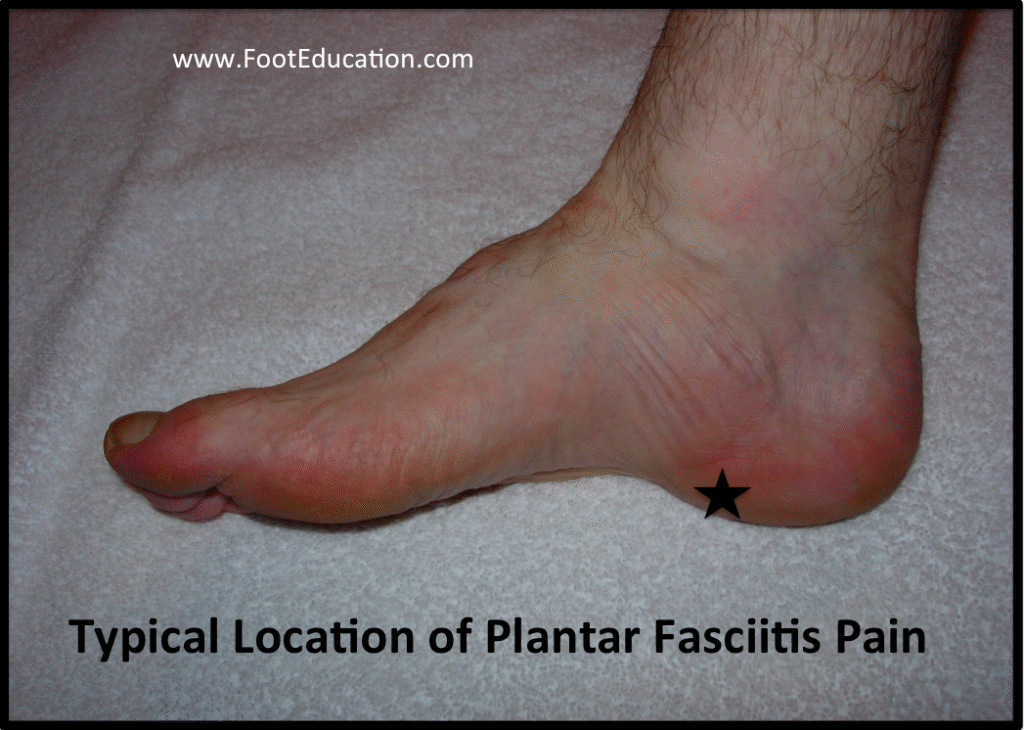
Image Courtesy: www.orthopaedia.com
Recognising the typical pattern of symptoms can be extremely helpful. Most people with plantar fasciitis notice a very characteristic morning pain.
The first few steps after getting out of bed can feel like walking on a nail – a sharp, stabbing sensation in the heel that may ease slightly as you potter about. A similar discomfort often appears when you stand up after sitting for a long period, such as after a meeting, a long car journey or an evening on the sofa.
As the day goes on, you may find that the pain flares after activity. A full shift on your feet, a long walk or a run can leave the heel feeling sore and bruised, sometimes accompanied by a dull ache along the arch itself.
Some people describe a tight, pulling sensation under the foot, as if the sole is under constant strain. If this pattern sounds familiar, it’s a strong sign that your feet are in need of proper plantar fascia foot support.
Key Features of Effective Plantar Support Insoles
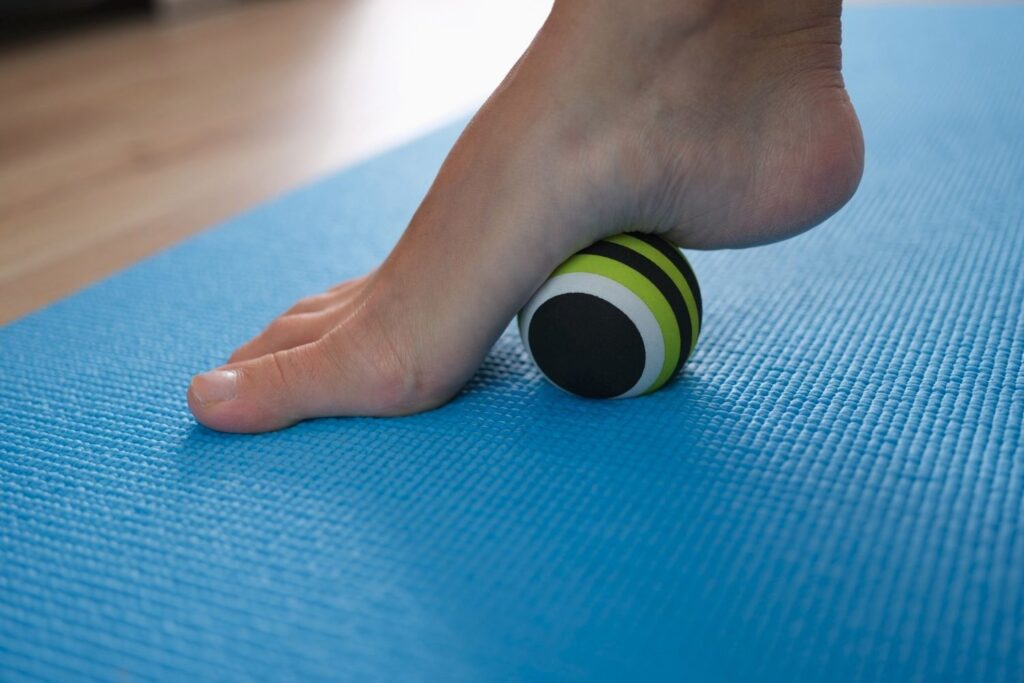
The right plantar support insoles can make a significant difference in reducing heel pain and improving overall foot stability. By targeting the root causes of plantar fasciitis, quality insoles provide the structure and cushioning your feet need to move comfortably throughout the day.
1. Structured Arch Support
Arch support is the foundation of any good insole for plantar fasciitis. A structured arch element lifts and supports the natural curve of the foot, preventing the arch from collapsing each time your weight rolls over it.
This controlled support reduces the amount of tugging on the plantar fascia where it attaches to the heel, which is often the most painful point.
For those with flat feet, this support usually needs to be firmer and slightly higher, helping to control overpronation and stop the foot rolling too far inwards. Without it, the plantar fascia remains under constant tension.
People with high arches, by contrast, often benefit from specialised high arch support plantar fasciitis insoles.
These are shaped to fill the space under the arch and add cushioning so the heel and ball of the foot don’t bear the brunt of every step.
The aim is a feeling of being held and supported, not simply standing on something soft.
2. Deep, Cushioned Heel Cup
Because the heel is usually where plantar fasciitis pain is most intense, the design of the heel area is critical. A good insole will have a deeper, cup-shaped section that surrounds and centres the heel. This depth helps to keep the heel stable, limiting side-to-side wobble that can twist and irritate the plantar fascia.
Within that cup, there should be comfortable yet resilient cushioning – often a layer of EVA foam or a gel insert – that helps soften the impact of each step. Instead of a harsh “thud” every time your heel hits a hard floor, that force is absorbed and diffused. Together, the shape and the cushioning protect the inflamed tissue right where the plantar fascia anchors into the heel bone.
3. Quality Cushioning and Shock Absorption
While the heel is a key focus, the rest of the insole plays an important role too. Materials such as EVA foam are commonly used because they’re light, slightly springy and able to absorb impact without simply squashing flat after a few weeks.
Some generic insole brands provide additional gel zones placed under the heel or forefoot to offer extra comfort in the areas that take the greatest load, which is particularly helpful if your job involves standing in one spot for long stretches of time.
The goal here is not a floppy, squishy feel – that can actually make the foot work harder to stay stable – but a firm, controlled cushioning that supports the foot throughout the day while still feeling comfortable.
4. Fit and Compatibility with Your Shoes
Even the most technically advanced insole won’t help if it doesn’t fit your shoes properly. Effective plantar support insoles are typically designed so they can be trimmed along printed guidelines, allowing you to match them closely to your shoe size and shape.
Once in place, they should sit flat inside the shoe and stay put, rather than sliding forwards or bunching up.
It’s also important that your toes still have enough room. If adding an insole makes your shoes feel cramped or too tight, you may need either a different insole profile or a slightly roomier shoe.
Many people find it useful to keep one pair of insoles for sports trainers and another for everyday work shoes so that their feet are supported consistently, no matter what the day involves.
Custom Insoles for Plantar Fasciitis: When You Need More Than Off-the-Shelf Support
For many people, good quality off-the-shelf plantar fasciitis inserts are enough to calm the heel and keep symptoms under control. However, there are plenty of cases where standard insoles only get you so far. This is where custom insoles and custom arch support start to make a real difference, particularly for stubborn or long-standing plantar or “plantar” fasciitis.
Custom insoles are designed around your feet rather than the average foot. Instead of relying on a generic arch shape and heel position, they take into account the exact contours of your arches, the way your heel sits, and how your weight rolls through the foot as you walk. This means they can address both the pain in the plantar fascia itself and the underlying mechanics that keep irritating it.
How THE INSOLE COMPANY Custom Insoles Help
Here is how they help:
- Built around your feet
Your feet are scanned both using the pressure platform and 3D scanner so we can match your arch height, heel shape and pressure points. This means the insole fits your foot, not an average template.
- Targeted support for plantar fasciitis
We add structured arch support and a deep, stable heel cup to reduce strain on the plantar fascia and give reliable plantar heel support with every step.
- Solutions for flat feet and high arches
Designs can control overpronation in flat feet or provide high arch support plantar fasciitis relief by filling the gap under the arch and softening impact on the heel and forefoot.
- Comfortable, durable materials
Materials are chosen to be soft enough for sore heels but firm enough to change how your foot loads the ground, so they keep working through commuting, work and daily life.
- Practical guidance and follow up
We advise which shoes are best, how to break in your insoles and when to use them for work, walking or sport. If your situation changes, we can review and adjust your support.
The aim is simple: less heel pain, better plantar fascia foot support and the confidence to get back to everyday life without thinking about every single step.
Conclusion:
Plantar fasciitis might be common, but it is not something you simply have to put up with. Once you understand what the plantar fascia does, why it becomes overloaded and how factors such as footwear, foot shape, age and weight all play a part, the condition becomes far less mysterious and far more manageable.
The right support under your feet can make a remarkable difference. Well–designed plantar fasciitis arch supports insoles to lift and protect the arch, cradle the heel and absorb the daily impact of walking on hard surfaces. Combined with sensible footwear, stretching and a gradual return to activity, they give the plantar fascia the chance to calm down and heal rather than being irritated day after day. Book your appointment with us today!