High arch feet, also called high arched feet or pes cavus, describe a foot shape where the arch is much higher than average. Instead of sharing weight across the whole sole, the pressure falls mainly on the heel, the outer edge of the foot and the ball of the foot.
For some people this structure causes very little trouble. For others it leads to pain, ankle instability, repeated sprains and gradual changes in the shape of the toes and heel. High arches can appear in one or both feet and may be present from birth or develop over time.
Athletes, dancers, people who spend long hours standing, older adults and those with certain neurological conditions are all more likely to notice problems related to high arches.
This guide sets out what high arch feet are, why they occur and how they are treated, with a special focus on how custom insoles from The Insole Company can help.
Overview
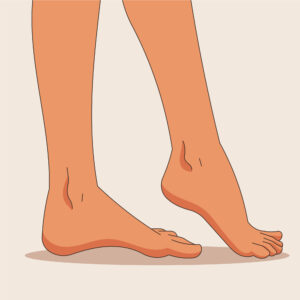
In a typical foot, the arch rises slightly when standing and flattens a little as you walk, helping the foot to absorb shock and adapt to the ground.
In pes cavus the arch stays very high, even when you are bearing weight. If you step on wet sand or on a piece of paper after wetting your foot, there is usually a gap where the middle of the foot should appear.
Because the arch is so rigid, the foot tends to roll outwards rather than inwards. This pattern, called supination, places extra strain on the ankle, the forefoot and the outer toes. Over time it may lead to pain in the feet, knees, hips or lower back.
Pes Cavus Symptoms and Complications
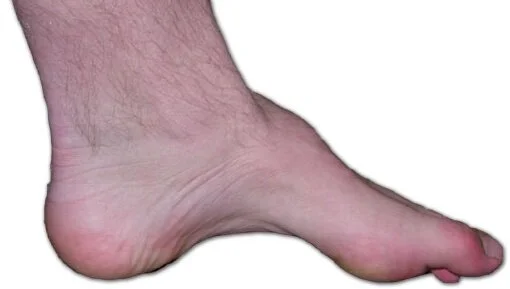
Image Courtesy: www.danielbohl.com
High arch feet place the foot in a more rigid, less shock-absorbent position. Because the arch does not flatten enough during movement, the heel and ball of the foot receive most of the pressure. Over time, this uneven load strains the soft tissues, joints and tendons, especially around the ankle and outer edge of the foot. Without proper support, these mechanical stresses can gradually worsen, affecting balance, posture and overall comfort.
1. Pain in the heel or the ball of the foot:
With high arches, more body weight is pushed onto smaller areas of the sole. This extra pressure often makes the heel or the ball of the foot feel sore, especially after walking or standing for long periods.
2. Pain or swelling around the ankle:
Because the foot tends to roll outwards, the ankle has to work harder to keep you steady. Over time this can cause aching, tenderness or swelling around the outside of the ankle.
3. Aching in the arch itself:
The raised arch is often quite rigid and does not absorb shock well. This stiffness can leave the arch feeling tired or achy, particularly on hard surfaces or if you wear unsupportive shoes.
4. Corns and calluses on pressure areas:
When only certain parts of the foot touch the ground, the skin there thickens as a natural defence. This leads to corns and calluses on the heel, ball of the foot or outer edge, which can become painful in shoes.
5. Ankle instability and frequent sprains:
High arches encourage the foot to tip outwards, making the ankle less stable. People often describe feeling wobbly on uneven ground and may suffer repeated ankle twists or sprains.
6. Toes that curl or bend, such as claw toes or hammertoes:
As the arch lifts higher, the toes can be pulled out of position. They may start to curl or claw, which makes fitting shoes harder and can cause rubbing on the tops or tips of the toes.
7. Shortened foot length
A very high arch can almost “fold” the foot, bringing the heel and forefoot closer together. This sometimes makes the foot appear shorter and can change how it sits inside footwear.
8. Metatarsalgia
Extra pressure on the front of the foot can inflame the small joints and soft tissues there. This leads to a burning or bruised feeling in the ball of the foot, particularly when walking.
9. Plantar fasciitis
Strain on the band of tissue running from heel to toes can cause tiny tears and irritation. People usually notice sharp or stabbing pain under the heel, often worse with the first steps in the morning.
10. Peroneal tendonitis
When the foot repeatedly rolls outwards, the tendons along the outer ankle have to work overtime. This can leave them sore and inflamed, with pain running from the outer calf down to the side of the foot.
11. Progressive deformity and joint problems
If high arches are not managed, the altered foot shape can gradually worsen. The joints then take more stress than they are designed to handle, increasing the risk of arthritis in the feet and ankles and contributing to long term pain in the knees, hips or lower back.
How High Arches Change the Foot
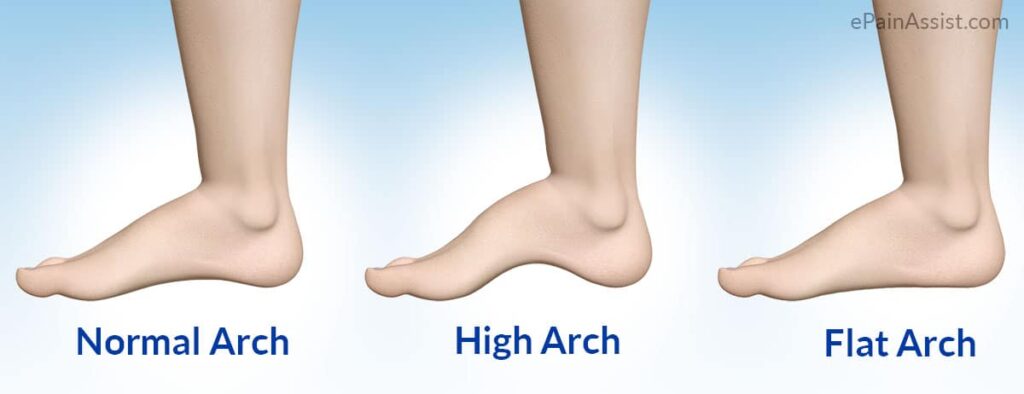
When pes cavus becomes more severe, the foot may take on certain characteristic shapes:
- Pes cavovarus
The arch is high and the heel tilts inward. The big toe often points slightly downwards, giving the appearance of a hollow or clawed foot. - Pes calcaneocavus
The heel tilts upwards and the forefoot points downwards, so the arch is highest near the back of the foot.
These changes can make footwear uncomfortable and walking less stable.
Causes of High Arch Feet
High arch feet can develop for several different reasons, and understanding the underlying cause is important for choosing the right treatment. In some people, the condition is present from childhood, while in others it appears gradually over time. Below are the most common factors that contribute to high arch feet.
Inherited foot structure
Many people simply inherit a more curved foot from their parents. In these cases the arches are high but generally stable, and symptoms depend on activity level and footwear.
Neuromuscular conditions
Muscle imbalance in the lower leg and foot is a common reason for pes cavus. When some muscles are weak and others become overactive, they pull the foot out of its normal alignment. Conditions that may cause this include:
- Charcot Marie Tooth disease
- Certain types of muscular dystrophy
- Spina bifida occulta
- Stroke that affects one side of the body
- Nerve damage related to diabetes
- Spinal cord tumours
Because many of these are inherited or long term neurological conditions, high arches in childhood can sometimes be an early sign.
Structural problems and contractures
Injuries, poorly healed fractures or long periods of immobility can alter the alignment of bones and soft tissues in the foot. Tissues may tighten and contract, producing a high arched shape.
Some babies are born with contractures such as clubfoot, which can also lead to pes cavus.
Diagnosis and Tests
An orthopaedic specialist or podiatrist can usually recognise high arch feet by looking at how you stand and walk. They may:
- Check how flexible or rigid your arch is
- Examine your toes, heels and callus patterns
- Look at the wear on the soles of your shoes
Tests that might be used include:
- X rays to study bone alignment
- MRI scans if soft tissue details are needed
- Nerve conduction studies or EMG if a neuromuscular condition is suspected
Understanding the underlying cause helps guide treatment and gives an idea of how likely the condition is to change over time.
Management and Treatment
Treatment for high arch feet depends on how severe the condition is and whether it is progressing. Many people obtain good relief from non surgical measures.
Custom insoles for high arched feet
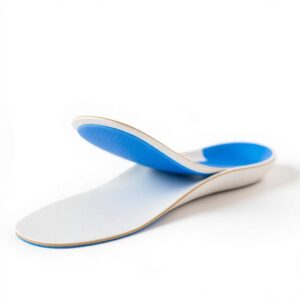
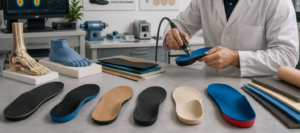
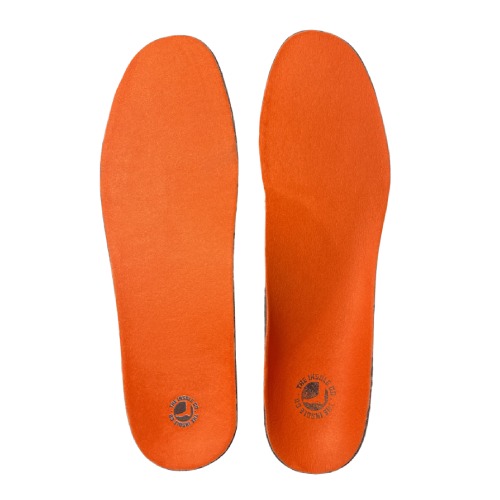
Because high arches place so much pressure on the heel and forefoot, support inside the shoe is crucial. Custom insoles spread weight more evenly and help the foot sit in a more natural position.
The Insole Company designs insoles specifically for people with high arched feet. Features typically include:
- Structured arch support tailored to the individual foot shape
- Cushioning under the heel and the ball of the foot to reduce impact
- Supination correction to limit excessive outward rolling of the foot
- Materials that keep their shape during long periods of standing or walking
Custom insoles are particularly helpful for:
- Runners and other athletes who experience repeated ankle sprains
- Teachers, retail staff and others who stand for much of the day
- Older adults with fragile joints who need steady support
- People with knee, hip or back pain linked to poor foot mechanics
In many cases, well made orthotics allow people with pes cavus to continue their usual activities with far less discomfort. If you’re experiencing pain or instability from high arches, book your appointment with The Insole Company today to get a personalised assessment and custom insole solution
Other non-surgical treatments
Additional measures may include:
- Supportive footwear with firm, cushioned soles, moderate heels and a wide toe box
- Ankle braces to protect unstable ankles
- Stretching and strengthening exercises under the guidance of a physiotherapist
- Night splints to gently stretch the calf muscles and plantar fascia
- Ice and non prescription anti inflammatory medicines for pain flare ups
For some people, specially designed boots or shoes are required if ordinary footwear does not provide enough stability.
Surgical options
Surgery is usually considered only if non surgical care has not eased symptoms, or if the foot continues to deform. Possible procedures include:
- Osteotomy to reshape and realign bones
- Soft tissue release to relieve tight tendons and ligaments
- Tendon transfer to restore muscle balance by moving a functioning tendon
- Joint fusion to stabilise severely affected joints
The goal is to create a foot that bears weight more evenly and is easier to walk on. Recovery takes time and requires careful rehabilitation and physiotherapy.
Prevention and Self Care
There is no certain way to prevent high arch feet, particularly when they are genetic or linked to another health condition. However, you can reduce the impact of symptoms by:
- Wearing supportive shoes rather than very thin or rigid soles
- Using suitable insoles, especially during sport or long periods on your feet
- Paying attention to early signs of ankle instability or repeated sprains
- Seeking professional advice if a child develops unusual walking patterns or if their arches appear to be rising quickly
Conclusion
High arched feet can be straightforward for some people and far more troublesome for others, depending on how severely the foot is affected and whether an underlying condition is involved.
When symptoms do appear, they can influence balance, comfort and the way the entire lower body moves. The good news is that most cases respond well to the right combination of support, footwear and strength-based care.
Custom insoles play an important part in easing pressure and improving stability, particularly for those who spend long hours on their feet or have recurring pain.
With the correct guidance from a podiatrist and the support of well-designed orthotics, many people with high arches maintain an active, comfortable and confident lifestyle.
If symptoms persist or begin to interfere with daily movement, seeking professional advice early on can make a significant difference to long term foot health.