Badminton looks light and graceful from the outside. But once you start playing regularly, you realize it’s a high-impact, high-speed sport. Every rally includes split steps, explosive lunges, quick side cuts, and jump landings. That kind of movement puts a lot of stress on your feet — more than most beginner players expect.
Most badminton shoes come with basic factory insoles. They’re fine for casual use, but once you play a couple of times a week, you might notice soreness, fatigue, or even small injuries creeping in. That’s where the right insole can make a big difference.
This guide will help you understand the main types of badminton insoles, what each one is meant for, and how to decide whether you need custom insoles or a solid off-the-shelf option.
Why Insoles Matter in Badminton
Badminton stresses your feet in three big ways:
- Hard landings
Jump smashes and quick recoveries mean repeated impact on the heel and forefoot. - Aggressive lateral movement
Unlike running (mostly forward motion), badminton involves constant side-to-side load. Your foot wants to roll or slide inside the shoe unless it’s well supported. - Rapid braking and pushing off
Lunges to the net and sudden stops force your arches and toes to absorb huge loads.
A good insole can help by:
– absorbing shock (less sting in heel and forefoot),
– supporting arches (better stability during lunges),
– preventing foot slide (fewer blisters, more control),
– reducing fatigue over longer sessions.
What Makes Badminton Insoles Different From Regular Sports Insoles?
A common mistake is buying a running or walking insole and assuming it will work for badminton. But badminton insoles need to handle different forces.
Badminton insoles should ideally be:
- stable side-to-side, not just soft,
- low-profile so the shoe fit doesn’t become tight or unstable,
- lightweight, because heavy padding can slow footwork,
- good at locking the foot in place during sharp cuts.
So even when insoles share materials with other sports, the shape, stiffness, and grip matter more for badminton.
The Main Types of Badminton Insoles
1. Shock-Absorbing / Cushioned Insoles
What they are:
Insoles made with softer foams or gel zones to reduce impact.
Best for:
- beginners whose feet feel sore after sessions,
- players who jump a lot,
- heavier players who feel impact more,
- anyone with heel or forefoot pain after play.
On-court feel:
Landings feel smoother, and long sessions cause less “aching feet” the next day.
Trade-offs:
If cushioning is too soft or thick, you might lose a bit of court feel and stability — especially during fast defensive footwork.
2. Arch-Support / Stability Insoles
What they are:
Insoles with a firmer midfoot support to hold up the arch and control foot collapse.
Best for:
- flat feet or low arches,
- arch pain during/after play,
- players whose ankles feel weak on lunges,
- mild knee or shin discomfort linked to foot alignment.
On-court feel:
Your foot sits “locked in” rather than spreading or rolling. Lunges feel more controlled and less stressful on ankles.
Trade-offs:
These can feel weird for the first few sessions if you’ve never used arch support. A short break-in period is normal.
3. Grip / Anti-Slip Insoles
What they are:
Insoles designed to reduce foot sliding inside the shoe. Often they have a textured or tacky top layer.
Best for:
- players getting blisters,
- anyone whose toes slam forward in lunges,
- shoes that fit fine but still feel slippery inside.
On-court feel:
You feel more connected to the shoe — especially when pushing off or braking hard.
Trade-offs:
Not all grip insoles add much cushioning or arch support, so they’re often best for comfort plus control rather than injury correction.
4. Indoor-Court / Badminton-Specific Performance Insoles
What they are:
Insoles made specifically for badminton/volleyball/squash–style movement. These usually balance moderate cushioning with solid lateral stability.
Best for:
- intermediates playing regularly,
- people who want a “safe, balanced upgrade,”
- players who don’t have a specific foot issue but want better performance comfort.
On-court feel:
Light, stable, and supportive without feeling bulky. Great for fast doubles footwork.
Trade-offs:
They aren’t extreme in any one direction — so if you have a strong issue (like serious flat feet), you may need a more targeted insole.
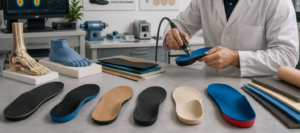
5. Custom Orthotics (Custom Insoles)
What they are:
Insoles molded or designed specifically for your foot shape, arch, and gait. Usually recommended by a podiatrist or orthopedic specialist.
Best for:
- recurring injuries or pain,
- clear structural problems (very flat feet / very high arches),
- big left-right imbalance,
- pain that doesn’t improve with good shoes + prefabricated insoles.
On-court feel:
Highly stable and pressure-balanced. For some players, it’s the difference between playing pain-free and sitting out.
Trade-offs:
They cost much more than store-bought insoles and can take a few weeks to feel fully natural.
Understanding Insole Materials (Quick and Simple)
When you shop, you’ll see a lot of material terms. Here’s what matters:
- EVA Foam
Light, common in sports insoles. Good cushioning, decent durability. - PU (Polyurethane)
Firmer than EVA, lasts longer, feels more supportive under pressure. - Gel Pads
Excellent for impact zones like heel and forefoot. Slightly heavier. - Rigid Arch Frames (TPU/Plastic)
Add structure and stability. Useful for arch-support insoles.
How to Choose the Right Insole (Beginner Checklist)
Ask yourself these questions:
1) Do your feet feel sore after playing?
- Mostly heel/forefoot soreness → try shock-absorbing insoles.
- Mostly arch soreness → try arch-support insoles.
2) Do you get blisters or feel your foot sliding inside the shoe?
Yes → try grip/anti-slip insoles (or grip + cushioning combo).
3) Do your shoes already feel tight?
Yes → avoid thick insoles. Choose low-profile badminton-specific types.
4) Do you feel unstable during lunges or side steps?
Yes → lean toward arch-support or badminton-specific stability insoles.
Do You Need Custom Insoles?
This is the big question for serious beginners and intermediates.
Start with off-the-shelf insoles if:
- you play casually 1–3 times a week,
- your pain is mild and only after longer sessions,
- you don’t have diagnosed foot conditions,
- you mainly want better comfort than stock insoles.
Most beginners and many intermediates fall here.
A good badminton-specific or arch-support insole solves their problem.
Consider custom orthotics if:
- pain is persistent and returns every session,
- discomfort lasts multiple weeks even after rest,
- you’ve tried 1–2 high-quality insoles and still struggle,
- you have a known issue like plantar fasciitis, severe flat feet, or very high arches,
pain affects knees/shins too (often a sign of alignment problems).
Fitting & Break-In Tips
Even the best insole fails if fitted badly.
- Trim carefully (if needed) to match your shoe shape.
- Make sure your heel sits fully in the heel cup.
- Try them in a light session first.
If you use arch support, expect 2–5 sessions of adjustment.
How Long Do Insoles Last?
Badminton compresses insoles faster than walking.
Replace them if:
- they feel flat or dead,
- you start getting new soreness,
- the top layer becomes slippery or torn,
- they smell permanently bad even after cleaning (a sign the foam is breaking down).
For active players, replacement is often needed every few months depending on play hours and material.
Common Beginner Mistakes
1. Choosing very soft, thick insoles Comfort improves, but stability drops. Badminton needs balance.
2. Raising the heel too much Thick insoles change shoe fit and can make ankles feel unstable.
3. Buying based only on price or hype Fit and purpose matter more than brand.
4. Ignoring small warning pains If you feel repeat soreness, it’s worth fixing early.
Best Insoles for Badminton Players (Beginner & Intermediate Picks)
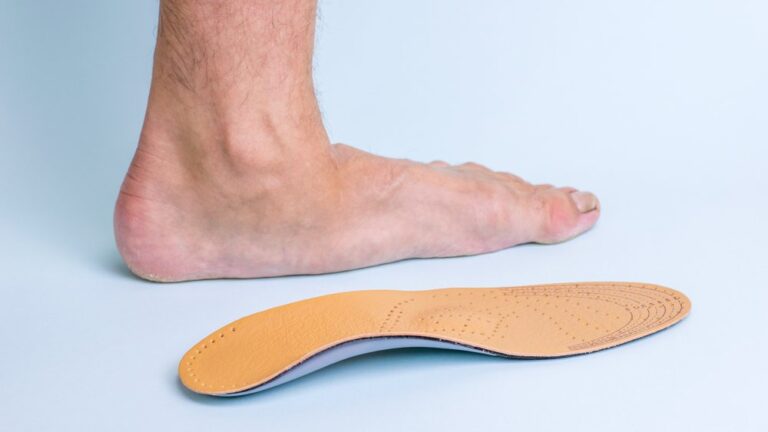
Choosing an insole is easier when you match it to your main issue. Badminton insoles should stay light, stable in lateral movement, and not feel overly thick. The picks below are grouped by what most players actually need.
Choosing an insole is easier when you match it to your main issue. Badminton insoles should stay light, stable in lateral movement, and not feel overly thick. Here are some good options to consider:
1) Best overall badminton insole (balanced upgrade)
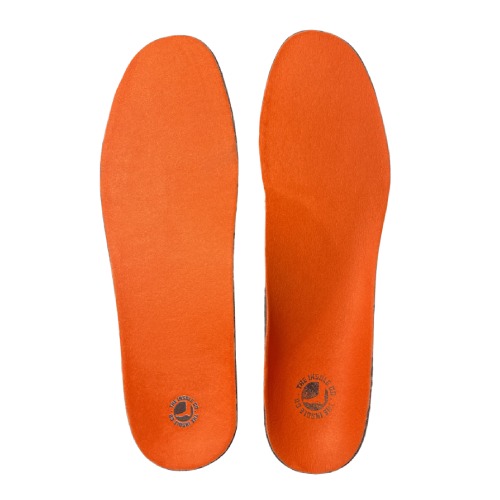
The Insole Company – Customized Performance / Sports Insoles
Built specifically for your feet and your style of play, these customized sports insoles deliver an ideal mix of cushioning and stability for badminton. Instead of a one-size-fits-all insert, you get support mapped to your arch, pressure points, and movement patterns, helping reduce fatigue during rallies while keeping you quick and grounded on court.
Good for: Good for: regular club players who want a reliable comfort-and-support upgrade that’s made to match their foot shape and playing needs, without adding bulk.
Note: share your sport and any pain points during fitting (heel, arch, knee, shin) so the customization targets your exact requirements.
2) Best for strong arch support & stability
Superfeet Green Insoles
These are known for their high arch profile and deep heel cup, helping keep the foot stable during lunges and quick direction changes. They’re especially helpful if your arches collapse under load or you feel your ankles working too hard.
Good for: flat feet or low arches, players needing firm arch control, mild overpronation.
Caution: they can feel quite firm at first—give them a few sessions to break in.
3) Best for custom-like cushioning & support
SprinSole Omni Custom Insoles
Built with multi-layer cushioning (foam + gel style) and targeted arch and forefoot support, these insoles focus on shock absorption without ignoring stability. They’re a strong option if you want extra comfort for long sessions but still need your foot to feel centered in the shoe.
Good for: high-impact players, longer training sessions, general foot fatigue.
Caution: may feel a bit bulky in very narrow or low-volume shoes.
4) Best affordable all-round athletic insole
Dr. Scholl’s Athletic Series Running Insoles
Originally made for running, these insoles offer enhanced cushioning and basic arch support that also works for casual badminton play. They’re easy to find and a solid budget-friendly upgrade over thin stock liners.
Good for: newer players, casual club play, those wanting more underfoot comfort at a lower price.
Caution: they may wear out faster with heavy, high-intensity use.
5) Best for serious support & plantar fasciitis risk
Powerstep Pinnacle Maxx Orthotic Insoles
These insoles combine a firm support platform with dual-layer cushioning. The structured arch and pronounced heel support help keep the foot aligned, which can be especially useful if you’re prone to heel pain or plantar fasciitis.
Good for: players with recurring arch/heel discomfort, mild plantar fasciitis, or alignment issues.
Caution: more supportive/orthotic feel—introduce them gradually so your feet can adapt.
6) Best multi-sport cushioning & durability
Spenco Polysorb Cross Trainer Insoles
Made for multi-sport use, these insoles blend good shock absorption with decent arch support. They work well if you play badminton plus other sports and want one insole that can handle everything.
Good for: players who cross-train (running, gym, other court sports), those wanting durable, long-lasting cushioning.
Caution: slightly bulkier build may not suit very tight-fitting shoes.
Quick reminder
Even the best insole won’t help if it changes your shoe fit dramatically. Badminton shoes are snug by design, so always prioritize low-profile stability over thick softness.
Final Takeaway
Badminton insoles aren’t a luxury — they’re a practical upgrade for comfort and stability once you start playing regularly.
The simple path:
- Identify your problem (impact pain, arch pain, foot slide, fatigue).
- Choose the insole type that matches it.
- Go custom if pain is recurring or structural.
With the right insole, badminton feels lighter on your body — and your footwork stays sharper for longer.