Heel pain can start as a mild nagging ache and slowly turn into something that makes every step feel like a chore. One common reason is a heel spur, a small bony growth that forms under or behind the heel bone. Even though the name sounds severe, the spur itself isn’t always what hurts. In many cases, the real problem is the strain and inflammation in the tissue that led to the spur forming in the first place.
This guide explains heel spur symptoms, causes, the difference in heel spur vs plantar fasciitis, and the most practical ways of how to treat heel spurs.
What Is a Heel Spur?
A heel spur is a small calcium deposit that hardens into a pointed bit of calcaneum bone sticking out from the heel. It develops slowly, usually where the plantar fascia attaches to the heel bone. The plantar fascia is the thick ligament running along the sole of your foot, connecting your heel to the ball of your foot. When this ligament is stressed over long periods through walking, running, standing, or poor foot mechanics the body responds by laying down extra bone as a protective reaction. That extra bone becomes a spur.
Many people have heel spurs without any pain at all. The spur is often found only after an X-ray for heel pain. What usually causes the pain is the irritated plantar fascia or surrounding soft tissue, not the spur itself.
What are Heel Spur Symptoms:
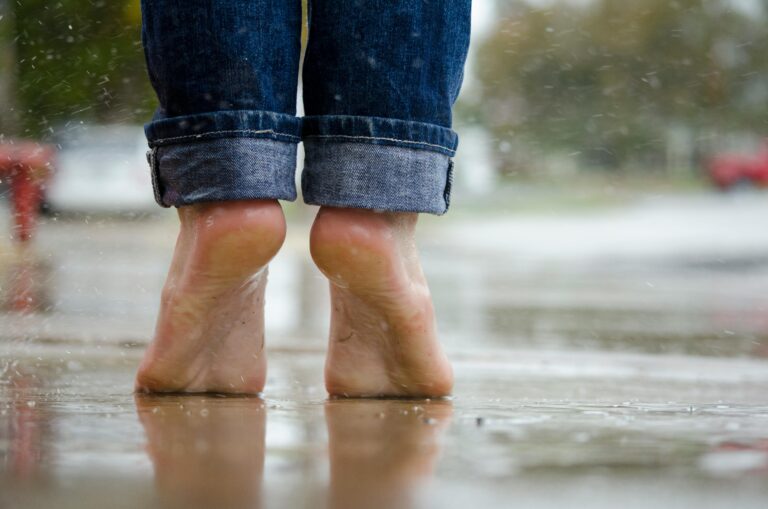
Heel spur symptoms often feel very similar to plantar fasciitis, because the irritated tissue is usually the same structure.
Common things people notice include:
- Sharp, stabbing pain in the bottom of the heel
Especially with the first few steps in the morning or after getting up from sitting. - Pain that eases a little as you “warm up.”
As you move around, the plantar fascia stretches and the pain may reduce slightly. - Pain that returns with prolonged standing or walking.
Long periods on your feet, climbing stairs, or walking on hard floors can bring the pain back. - Tenderness at the underside of the heel.
Pressing on the base of the heel can feel sore or bruised. - A deep, aching sensation inside the heel.
Some people describe it as a dull, deep ache rather than a sharp pain all the time.
If your heel pain:
- Flares after rest
- Improves slightly with gentle movement
- Is focused around the underside of the heel
What Are The Heel Spur Causes and Risk Factors
Everyday Stress That Leads to Heel Spurs
Heel spur causes almost always come down to repeated stress on the plantar fascia and heel bone.
When the ligament is pulled or overloaded day after day:
– Tiny tears can develop in the tissue.
– The body tries to repair and protect the area.
– Over time, it may deposit calcium where the plantar fascia attaches to the heel.
– That calcium gradually hardens into a spur.
Common Risk Factors for Heel Spurs
Situations and factors that can contribute to heel spur formation include:
- Spending long hours on hard floors
Jobs that keep you standing on concrete or other hard surfaces. - Unsupportive footwear
Shoes with poor arch support, thin soles, or worn-out cushioning. - Sudden increases in activity
Rapidly ramping up running distance, high-impact workouts, or sports. - Tight calf muscles or Achilles tendon
This increases tension on the heel with every step. - Foot structure
Flat feet with collapsing arches can overstretch the fascia.
High arches don’t absorb shock well and can overload the heel. - Excess body weight
Extra load on every step can strain the plantar fascia. - Being on your feet all day
Healthcare workers, retail staff, factory workers, and others with standing jobs often notice symptoms.
Heel Spur vs Plantar Fasciitis: How They’re Different
Topic | Plantar Fasciitis | Heel Spur |
What it is | A soft tissue injury involving inflammation or small tears in the plantar fascia | A bony growth that forms on the heel bone over time |
Cause | Overstretching or tearing of the plantar fascia | Long term strain on the plantar fascia that leads the body to deposit calcium |
Pain source | The inflamed plantar fascia is the main cause of pain | The spur itself usually does not cause pain, the surrounding irritated tissue does |
How it develops | Occurs as an active injury from stress, activity, or poor foot mechanics | Develops slowly as a response to chronic tension on the fascia |
Symptoms | Sharp heel pain, worst with first steps in the morning, improves as the foot warms up | Feels similar to plantar fasciitis since the fascia irritation causes the pain |
Key difference | It is the current, active source of heel pain | It is a sign of long term strain, not always painful on its own |
Treatment focus | Reducing inflammation and offloading the plantar fascia | Treating the plantar fascia, since reducing strain often relieves pain even if the spur remains |
How to Treat Heel Spurs Without Surgery
- Reduce strain and inflammation: Non-surgical heel spur treatment focuses on easing plantar fascia stress so the heel can recover.
- Rest and activity changes: Cut back on activities that trigger pain, such as running, long hours of standing, or walking barefoot on hard floors.
- Ice therapy: Use cold packs or roll your foot over a chilled bottle to calm inflammation and relieve heel soreness.
- Stretching routine: Regular calf, Achilles, and plantar fascia stretches help reduce tightness and daily pulling on the heel; consistency matters more than intensity.
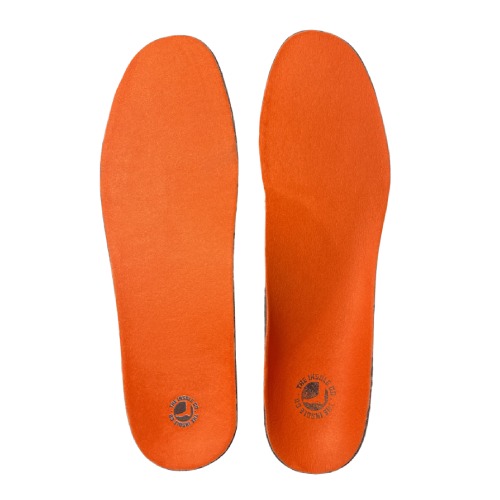
- Supportive footwear and insoles: Wear shoes with good heel cushioning and arch support to reduce impact, and consider customised insoles that offload the weight on the heel spur by providing a groove for the spur and/or additional cushioning for load absorption (for example, from providers like The Insole Company) to improve alignment and help distribute pressure more evenly.
See a doctor if your heel pain is severe, you can’t walk on it, there’s major swelling/redness/heat, it started suddenly after an injury, or home care hasn’t helped after a few weeks. Also get checked if it’s disrupting sleep or daily life, or if you have conditions like diabetes. A clinician can confirm the cause and guide the right treatment.
Heel Spur Outlook: How Long Does Recovery Take?
Recovery time depends on how irritated your heel is and how long it’s been bothering you. But generally:
- If the pain is mild and fairly new, you might feel better in a few weeks if you rest it and follow basic care.
- If the pain has been there a long time or is more intense, it can take a few months to fully improve.
What helps most in the long run is fixing what’s causing the strain. Things like stretching tight muscles, strengthening your feet and calves, and using supportive shoes or custom insoles reduce pressure on the heel so it can heal.
How to Stop Pain due to Heel Spurs from Coming Back
Once your heel is feeling better, prevention is all about reducing repeated strain.
Helpful habits include:
- Keep up a simple stretching routine for calves and plantar fascia
- Wear supportive footwear daily, especially on hard floors
- Use your insoles consistently, not just when pain flares
- Increase training gradually rather than jumping into big mileage or intense workouts
- Take regular breaks from standing if your job keeps you on your feet
- Aim for a healthy body weight to reduce load on your feet.
Conclusion
Heel spurs are common and often misunderstood. They form gradually from repeated strain on the plantar fascia, and the pain usually comes from surrounding inflammation rather than the spur itself. The best way to treat heel spurs is to reduce strain at the source through rest, regular stretching, supportive footwear, and proper insoles. For long-term relief, custom insoles are especially helpful because they correct the mechanics that caused the problem in the first place.