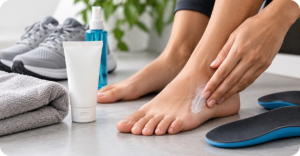
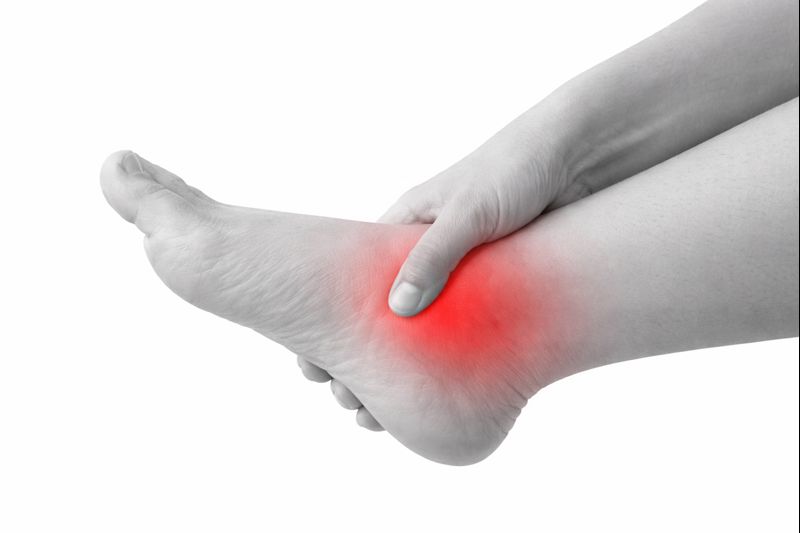
Foot pain while walking is a common concern across all age groups. Because the feet absorb and transmit force with every step, even small changes in tissue health, alignment, or cushioning can lead to discomfort. Walking involves repeated loading through the heel, arch, forefoot, and toes, and when tissues are irritated or overloaded, pain often appears during movement rather than at rest.
This article explains the most common causes of foot pain while walking, how these conditions differ, and which treatment approaches are typically effective. The aim is clarity, not alarm. Most causes of foot pain while walking are manageable when addressed early and appropriately.
Why Foot Pain Often Appears During Walking
Walking places cyclical stress through multiple structures of the foot. Pain usually develops when one or more of the following occur:
- Tissue capacity is exceeded due to repetitive use
- Load distribution shifts because of alignment or gait changes
- Natural cushioning in the foot deteriorates
- Footwear fails to support normal mechanics
Pain that worsens with walking is usually mechanical in nature. This means it is influenced by movement, load, and surface rather than systemic illness.
Common Causes of Foot Pain When Walking
Overuse Injuries
Overuse injuries occur when repetitive stress exceeds the foot’s ability to recover. This may result in stress reactions, bone bruising, or stress fractures. Pain typically develops gradually and intensifies with continued walking. Rest and reduced load are essential, and recovery often takes several weeks.
Traumatic Injury
Sprains, strains, contusions, or joint dislocations can cause immediate pain during walking. These injuries often follow a misstep, fall, or direct impact. Minor injuries may improve with conservative care, while more severe injuries require medical evaluation and immobilisation.
Plantar Fasciitis
Plantar fasciitis involves irritation of the plantar fascia, the tissue supporting the arch. Pain is often worst during the first steps after rest and may worsen again with prolonged walking. Risk factors include tight calf muscles, flat feet, high arches, sudden activity increases, and prolonged standing.
Metatarsalgia
This condition causes pain in the ball of the foot and may feel sharp, burning, or like walking on a small object. It often develops due to forefoot overload, footwear issues, or altered gait mechanics.
Heel Pad Atrophy
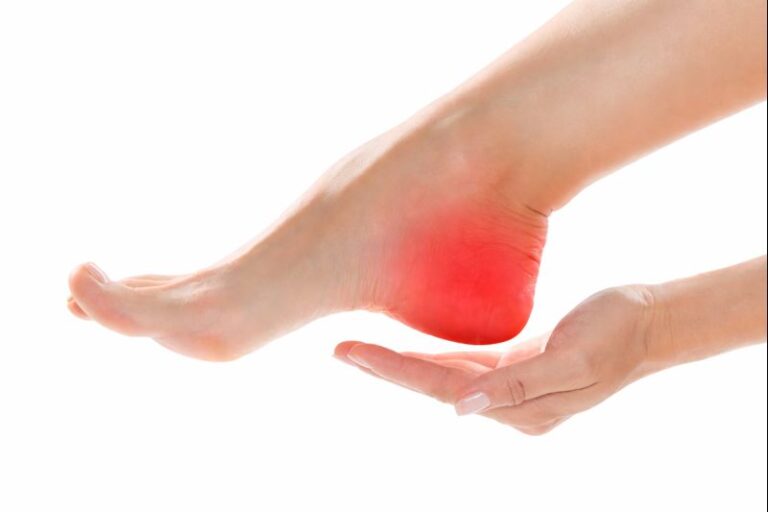
The heel’s natural fat pad provides shock absorption. Over time, this cushioning can thin due to age, injury, or repetitive impact. Pain is usually central under the heel and worsens on hard surfaces.
Tendinitis
Inflammation of foot tendons, particularly along the inner ankle or top of the foot, can cause pain that increases with walking and improves with rest. Swelling and tenderness may be present.
Bunions (Hallux Valgus)
Bunions develop gradually as the big toe shifts position, creating pressure and pain during walking, especially in narrow footwear.
Arthritis
Arthritis can cause joint stiffness, swelling, and pain in the foot. Walking may initially feel easier but can aggravate symptoms with continued activity.
Where Insoles Fit Into Walking-Related Foot Pain
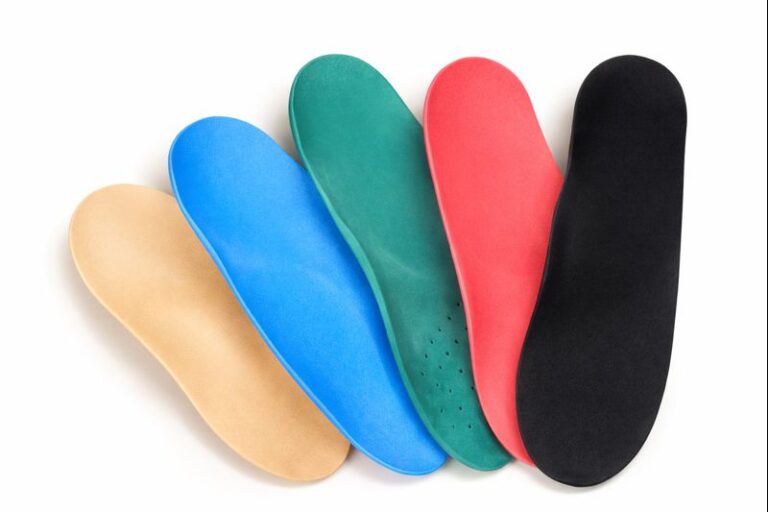
Insoles can help manage foot pain while walking, but they are not the primary treatment. Their role is supportive rather than corrective. From a clinical perspective, insoles help improve pressure distribution, reduce localised overload, and maintain consistency once foot muscles fatigue.
They are most useful when pain is related to repetitive compression or mild alignment stress rather than structural injury. Insoles should complement appropriate walking shoes, not compensate for poor footwear or excessive walking volume.
Commonly Used Insoles for Walking Comfort
Insoles are often used to improve comfort during daily walking by supporting pressure distribution and reducing fatigue. The options below are commonly used for walking-related comfort.
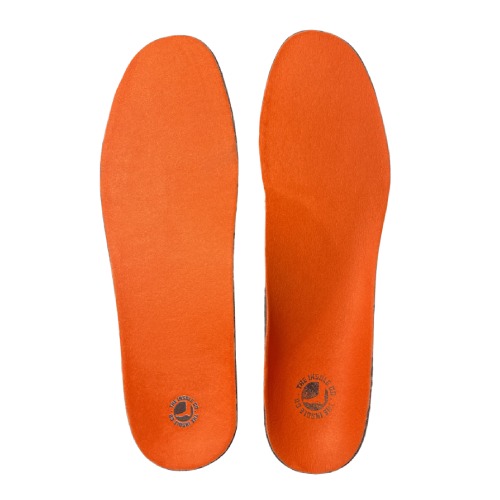
- The Insole Company
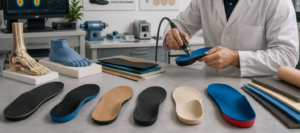
Custom insoles made using foot scans and gait analysis for people with recurring or persistent pain. - Frido
Cushioned insoles designed to reduce heel and forefoot pressure during daily walking. - Cult Store Insoles
Contoured inserts aimed at improving comfort and reducing fatigue. - Dr. Ortho
Shock-absorbing insoles focused on general walking comfort. - Superfeet
Structured insoles offering arch support and heel stability.
No insole works universally. Comfort, fit, shoe volume, and pain location matter more than brand.
Other Treatment Options for Foot Pain While Walking
Managing foot pain usually requires more than inserts alone. Effective approaches often include:
- Footwear with adequate cushioning, stability, and toe box space
- Temporary reduction in walking volume during flare-ups
- Stretching of the calves, plantar fascia, and ankles
- Strengthening of intrinsic foot and lower-leg muscles
- Rest and gradual return to normal activity levels
When to Seek Professional Care
Foot pain that persists, worsens, or limits daily activity should be assessed clinically. Early evaluation helps identify whether pain is related to soft tissue overload, joint pathology, or structural changes, allowing treatment to be targeted rather than trial-and-error.
Key Takeaway
Foot pain while walking is common and usually mechanical in nature. Understanding the cause is more important than immediately searching for fixes. When addressed early with appropriate load management, footwear, and support, most walking-related foot pain improves without invasive treatment.