Shin splints (often called medial tibial stress syndrome) are exercise-related pain along the shinbone (tibia), most commonly on the inner/lower part of the shin. They usually happen when the lower leg is repeatedly loaded (running, jumping, field sports) faster than the tissues can adapt.
Symptoms of Shin Splints
- Pain along the inner edge of the tibia (often the lower two-thirds of the shin)
- Aching or sharp pain that starts with activity and may ease when you stop (early on)
- Pain that returns faster each session, or begins earlier in the workout as it worsens.
- Tenderness when you press along the painful line on the shin.
- Mild swelling or a “hot” feeling over the sore area.
- Pain with impact (running, hopping, jumping), sometimes also during brisk walking
What Causes Shin Splints?
Shin splints are usually caused by repeated stress on the shinbone and surrounding muscles, often from running, jumping, sudden increases in activity, hard surfaces, poor footwear, or flat feet. The stress irritates the muscles and tissue along the inner edge of the shin. Below, we explain each of these causes in more detail.
1) Training load increases too quickly
Shin splints often begin when your lower legs are forced to absorb more repeated impact than they can handle at their current conditioning level. Bone and muscle adapt, but only if the increase is gradual. When training jumps suddenly, the shinbone area and the attached muscles can become irritated.
Example: You usually run 10 km per week, then push it to 20 km the next week, and add a speed session on top. Within a few runs, you notice a dull ache along the inner shin that shows up earlier each time you run.
2) Surface and environment
The surface you train on changes how much shock your legs absorb. Hard ground sends more force back up through the feet, ankles, and shins with every step. Uneven or sloped routes can also load each leg differently, which can strain one shin more than the other.
Example: You switch from treadmill running to outdoor road running on concrete, or you run the same slanted roadside route every day. After a week or two, shin pain starts on one side, especially during longer runs.
3) Foot and ankle mechanics
Your foot and ankle act like the body’s shock management system. If the foot rolls inward too much, if the arch does not absorb force well, or if ankle movement is limited, the tibia can take extra stress. Over time, that repeated stress can lead to shin splints.
Example: You have flat feet and your shoes wear down more on the inner side. When you run, your foot rolls inward and the inner shin begins to ache, especially after longer distances or faster paces.
4) Footwear problems
Shoes help absorb impact and guide your foot motion. When shoes are worn out or not suited to your foot type, they can increase stress on the shin by reducing cushioning and stability. Even if a shoe looks fine, the midsole can break down and stop supporting you properly.
Example: You continue using the same running shoes for months after they feel “dead,” or you wear a minimalist shoe without enough support for your gait. Soon after, you notice shin pain that builds during runs and takes longer to settle afterward.
Risk Factors
- Beginner or returning athletes (novice trainees are frequently affected)
- Rapid training progression (volume/intensity increases without adaptation time)
- Foot posture issues (excess pronation, flat feet, very high arches)
- Tight calves / weak shin and hip muscles
- Sports with repeated running + cutting + jumping (football, basketball, dance, track)
The IJNRD paper notes a reported incidence trend in India where shin splints were observed more in females (53%) than maes (44.7%).
Shin splints vs. stress fracture
| Feature | Shin Splints (Medial Tibial Stress Syndrome) | Stress Fracture (Tibia) |
|---|---|---|
| Pain location | Usually along the inner edge of the shin, often the lower two thirds. | Often a very specific, localized spot on the tibia. |
| Pain size | Broader, spread-out sore line over a larger area. | Pinpoint and easy to localize with one finger. |
| When it hurts | Commonly starts during activity and may ease when you stop early on. | Can hurt during activity and may continue afterward. |
| Pain at rest | Less common in early stages. | More likely, especially as it progresses. |
| Tenderness to touch | Tender along a longer section of the shin. | Sharp tenderness at one small point. |
| Swelling | Mild swelling sometimes. | Swelling may be more noticeable around the focal area. |
| Effect of impact | Running and jumping often trigger it. | Impact usually makes it worse quickly. |
| Hop test feeling | Hopping may be uncomfortable but not always sharply painful. | Hopping on the affected leg often produces sharp pain. |
| Progression pattern | Gradual build up over days or weeks, often linked to training increases. | Often worsens steadily and can become severe if loading continues. |
| Warm-up effect | Pain may feel better once you warm up, then return later. | Pain usually does not improve reliably with warm-up. |
| After activity | Soreness may settle with rest and recovery. | Pain can linger longer and may increase after activity. |
| Typical cause | Repetitive overload of bone lining and attached muscles due to training errors or mechanics. | Bone stress injury with microcracks from repeated loading without enough recovery. |
| Risk factors | Sudden training increase, hard surfaces, worn shoes, overpronation, calf tightness. | Similar risk factors, with higher likelihood from prolonged overload and poor recovery. |
| What helps initially | Reducing impact, gradual return, strength and mobility work, footwear support. | Stopping impact activity and seeking medical assessment is recommended. |
| When to get checked | If pain keeps returning, worsens, or affects daily walking. | If pain is pinpoint, sharp, occurs at rest, or worsens quickly. |
What Helps Shin Splints?
The first goal is to reduce the irritation. You can then gradually rebuild strength and activity levels to lower the risk of the pain returning.
1) Reduce impact and give the area time to settle
Shin splints are often caused by repeated pounding. If you keep running or jumping through the pain, it usually takes longer to improve. A better approach is to temporarily lower the activities that trigger symptoms.
What to do:
– Take a short break from running, jumping, and high-impact sessions
– Switch to lower-impact activities like cycling, swimming, or using an elliptical
– Return to running gradually once pain improves
– Increase distance and intensity slowly instead of resuming your full routine immediately
2) Use ice for short-term comfort
Ice does not fix the underlying cause, but it can help reduce soreness and calm the area after activity, especially in the early stages.
What to do:
– Apply ice for 10 to 20 minutes after exercise
– Use a cloth or towel between the ice and your skin
– Repeat once or twice daily if the area feels irritated
3) Improve calf and ankle movement
Tight calves and stiff ankles can change how you land and push off, which can increase stress through the shin. Improving mobility helps your lower leg absorb and control impact more effectively.
What to do:
– Perform gentle calf stretches daily
– Add simple ankle mobility drills
– Keep movements controlled and pain free
– Stop or reduce intensity if stretching increases sharp pain
4) Strengthen the lower leg and hips
Weakness in the lower leg can force the shin muscles to work harder than they should. Weak hip muscles can also affect leg alignment during walking and running, increasing strain on the tibia.
What to do:
– Strengthen the front of the shin with controlled exercises
– Build calf strength gradually with progressive raises
– Include hip stability exercises such as side steps or single leg work
– Train two to three times per week to build consistency
5) Check footwear and add support when needed
Shoes that are worn out or not suited to your foot type can increase impact and worsen mechanics. Support is especially important if your foot rolls inward too much or if you feel excessive shock through your legs.
What to do:
– Replace running shoes that have lost cushioning or support.
– Choose footwear that matches your gait and activity level.
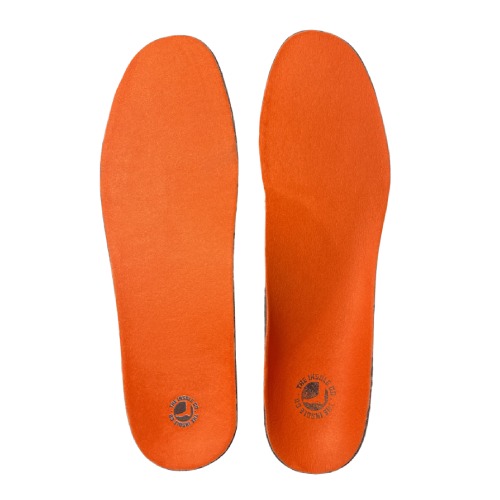
– Consider supportive insoles if you have recurring shin pain.
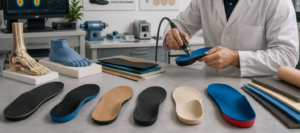
– Use custom insoles/orthotics to improve alignment and reduce stress on the shin during activity.