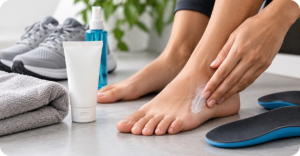
If your feet feel tired after walking, your heels ache in the morning, or your shoes wear out unevenly, there is a good chance your arches are not getting the support they need. Arch support insoles are designed to lift and stabilize the midfoot so your entire lower body moves better and feels more comfortable.
This guide explains what arch support insoles are, how they work, who should use them, and how to choose and maintain the best pair for your needs.
What Are Arch Support Insoles?
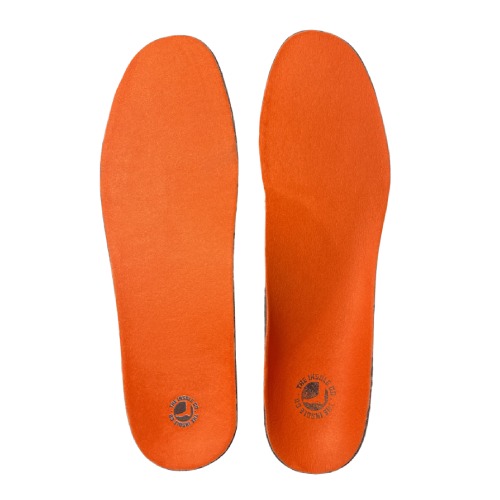
Arch support insoles are inserts that sit inside your shoes and support the natural curve of your foot. Instead of your arch collapsing or overworking, the insole helps distribute body weight evenly across the foot.
A good arch insole usually includes:
- A contoured arch area that matches your foot shape
- A deep heel cup for better stability
- A supportive midfoot base that prevents foot strain
- Cushioning to absorb shock during walking or running
Why Arch Support Matters
Your arch works like a built-in shock absorber. It supports your body weight and helps you move efficiently. When the arch is weak, low, or unsupported, the foot can overpronate or flatten, leading to stress in the heel, ankle, knee, hip, and lower back.
Arch support insoles help by:
- Keeping your foot in proper alignment
- Reducing overload on the heel and forefoot
- Improving balance and pressure distribution
- Supporting smoother walking and running mechanics.
Signs You Might Need Arch Support Insoles
You may benefit from arch support insoles if you notice:
- Foot fatigue after short periods of standing or walking
- Heel pain or plantar fasciitis symptoms
- Flat feet or visibly collapsing arches
- Pain in the arch or ball of the foot
- Uneven shoe wear, especially on the inner side
- Knee, hip, or lower back pain linked to foot posture
- Frequent ankle rolling or instability
Benefits of Arch Support Insoles
Here is what most people experience after using the right pair:
- Less foot pain and fatigue
By supporting the arch, your feet stop working overtime, which reduces daily soreness. - Better posture and alignment
Your arches affect your entire body. Supporting them helps correct inward rolling and improves lower body balance. - Reduced heel and arch strain
This is especially helpful for plantar fasciitis, heel spurs, and arch tightness. - Improved comfort in daily shoes
Walking, traveling, or standing for long hours becomes easier and more comfortable. - Better performance during sports
Stable arches improve push off power, reduce injury risk, and support longer training sessions.
How to Pick the Best Arch Support Insoles
Choosing the right insole is about matching your foot and your lifestyle.
1. Know your arch type
- Low or flat arches need firmer, structured support
- High arches need support plus cushioning
- Neutral arches do well with moderate support
2. Test comfort when standing
The arch should feel supportive, not sharp or painful. If it feels like a hard bump, the arch height may be too high.
3. Pick based on your use
- Daily wear or long standing: balanced support and comfort
- Sports or running: firmer support with shock absorption
- Walking or travel: supportive but slightly softer feel
4. Check shoe space
Make sure your shoes have enough depth. Your toes should not feel cramped once the insole is inside.
5. Look for stability features
A deep heel cup and firm midfoot base help stop excess foot rolling and improve alignment.
6. Ease into them
Start with a few hours a day in week one. Let your feet adjust gradually.
How to Preserve Arch Support Insoles and Make Them Last Longer
Arch insoles can last months to years depending on quality and use. Here is how to keep them in good condition:
- Air them out daily
Take them out after use so sweat does not break down the material. - Clean gently
Wipe with a damp cloth and mild soap. Avoid soaking or machine washing. - Dry away from direct heat
Do not place them under strong sunlight or near heaters. This can warp the arch shape. - Rotate between two pairs
If you wear insoles daily, rotating pairs helps them stay firm longer. - Use them in the right shoe type
Avoid squeezing thick arch insoles into tight shoes. Compression reduces lifespan and comfort. - Replace when support feels flat
If the arch looks collapsed, feels softer, or your pain returns, it is time to change them.
When to Consider Custom Arch Support Insoles
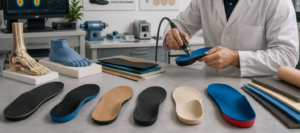
If you have strong foot pain, major arch issues, or have tried ready insoles without relief, custom arch support insoles may help more. They are shaped to your foot, your gait, and your pressure points, so they provide targeted correction and comfort.
Custom insoles are especially useful for:
- Flat feet or very high arches
- Chronic plantar fasciitis
- Sports injuries or recurring foot pain
- Uneven walking patterns
- Knee and back pain caused by foot imbalance
Final Thoughts
Arch support insoles are one of the simplest ways to improve comfort, posture, and foot health. The right pair supports your natural foot shape, reduces strain, and helps you move better every day. Choose based on your arch type, activity, and shoe fit, and take care of them so they stay effective longer.