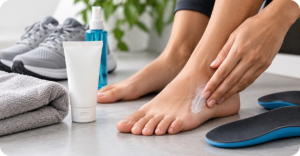
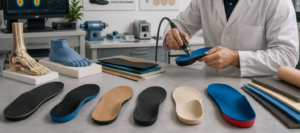
Insoles for back pain can help, but only when the pain is linked to poor foot alignment, improper arch support, or uneven weight distribution.
If your back pain is caused by posture issues that start at the feet, the right insoles can reduce strain on the spine by improving alignment and stabilizing movement. If the pain is due to injury, nerve issues, or structural spinal conditions, insoles alone will not fix the problem.
How Foot Alignment Affects Back Pain
Your feet control how force moves through your body when you stand, walk, or run.
When alignment is off:
- Feet roll inward or outward
- Knees rotate incorrectly
- Hips shift to compensate
- The lower back absorbs extra stress
Over time, this creates pressure on the lumbar spine and leads to discomfort.
One-line data insight: Poor foot mechanics increase load on the lower back, which can contribute to chronic pain through uneven force distribution.
Clinical guidance shows that correcting foot alignment can reduce this stress and improve posture.
Do Insoles Actually Help With Back Pain?
Yes, but only in specific cases.
Insoles are effective when:
- Pain is linked to flat feet or high arches
- You stand or walk for long hours
- You have mild to moderate lower back pain
- Your shoes lack proper support
Insoles are less effective when:
- Pain is caused by disc problems
- There is nerve compression or injury
- The issue is not related to alignment
Insoles work by improving how your body handles load, not by directly treating the spine.
Types of Insoles for Back Pain
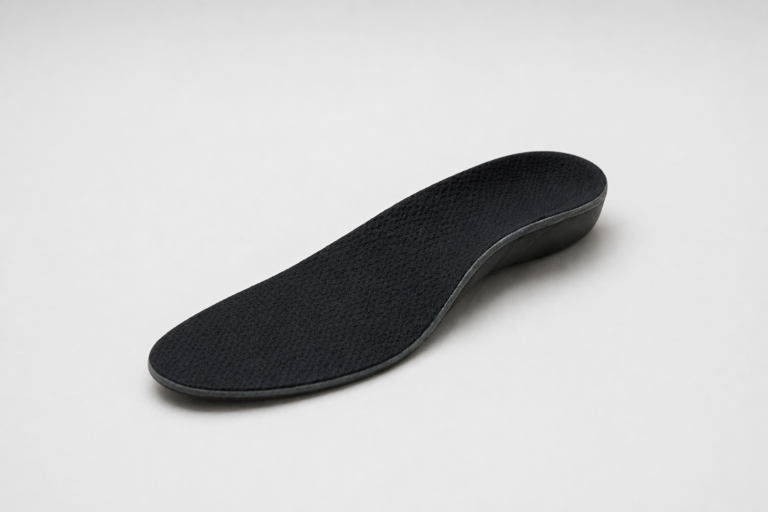
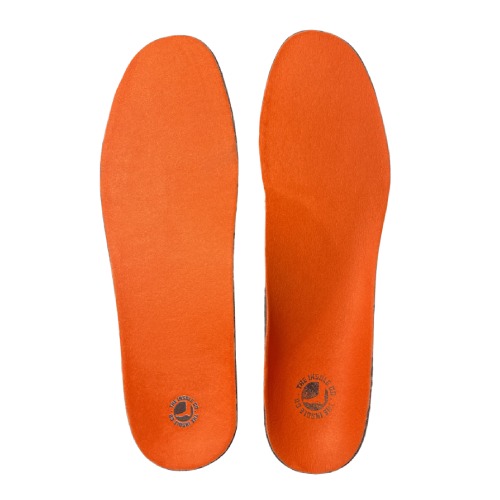
Not all insoles address back pain in the same way. The effectiveness depends on the underlying cause such as poor arch support, excessive foot movement, or impact stress. Choosing the right type is critical because the wrong insole may provide comfort but fail to correct alignment.
1. Arch Support Insoles
Arch support insoles are designed to maintain the natural curve of your foot. When the arch collapses or is too high, it affects how weight is distributed across the body.
Best for:
- Flat feet
- High arches
- Mild posture-related back pain
How they work:
- Support the midfoot to prevent collapse
- Keep the foot in a neutral position
- Improve alignment from feet to spine
When the arch is properly supported, the knees and hips stay aligned, which reduces the load on the lower back over time.
2. Cushioning Insoles
Cushioning insoles focus on absorbing impact rather than correcting structure. They are useful for reducing repeated stress caused by walking or standing.
Best for:
- People who stand for long hours
- Hard surface environments
- General fatigue and discomfort
How they work:
- Absorb shock during each step
- Reduce pressure on joints and spine
- Improve overall comfort
They do not correct alignment issues on their own, but they help reduce the cumulative stress that contributes to back pain.
3. Stability or Motion Control Insoles
These insoles are designed to control excessive foot movement, especially overpronation where the foot rolls inward too much.
Best for:
- Overpronation
- Unstable walking patterns
- Knee, hip, and back strain caused by misalignment
How they work:
- Provide firm support along the arch and heel
- Limit excessive inward or outward rolling
- Stabilize foot motion during walking
By controlling movement, they prevent the chain reaction that leads to joint misalignment and lower back strain.
4. Custom Insoles
Custom insoles are made specifically for your feet based on measurements, scans, or gait analysis. They address individual biomechanical issues rather than offering general support.
Best for:
- Chronic or persistent back pain
- Complex alignment issues
- Cases where standard insoles do not help
How they work:
- Match your exact foot shape and pressure points
- Correct abnormal walking patterns
- Provide consistent, targeted support across the foot
Because they are tailored, they can address the root cause more precisely. They are often more effective for long-term use, especially when back pain is linked to structural imbalances.
Custom Insoles vs Regular Insoles
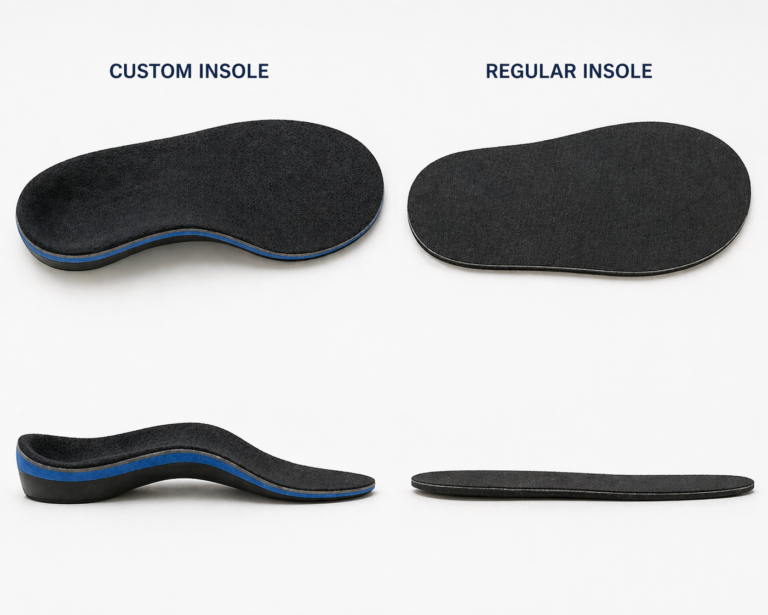
Custom insoles provide personalized correction for long-term issues, while regular insoles offer general support for everyday back pain relief.
Feature | Custom Insoles | Regular Insoles |
Fit | Tailored to your foot | Standard sizing |
Support | High precision | General support |
Cost | Higher | Lower |
Best for | Chronic or structural issues | Mild to moderate pain |
A good approach is to start with high-quality regular insoles and move to custom if results are limited.
How Long Do Insoles Take to Work?
- Mild discomfort: a few days to 2 weeks
- Moderate pain: 2 to 4 weeks
- Chronic issues: longer, especially without custom support
Some discomfort at the beginning is normal as your body adjusts to improved alignment.
Common Mistakes That Reduce Results
- Choosing soft insoles without arch support
- Ignoring foot type
- Expecting instant results
- Using worn-out insoles
- Wearing unsupportive shoes with good insoles
Insoles work best when paired with proper footwear.
How to Choose the Right Insoles for Back Pain
Choosing the right insoles depends on identifying the cause of your back pain rather than focusing only on features. Different problems require different types of support, and using the wrong type often leads to poor results.
If your back pain is linked to flat feet or collapsing arches, structured arch support insoles are more effective because they help correct alignment. If the discomfort comes from long hours of standing or walking, insoles with shock absorption and moderate support help reduce repeated impact on the spine.
For people with noticeable foot instability or overpronation, stability or motion control insoles are a better option as they limit excessive movement and reduce strain on the lower back. If the pain is persistent or does not improve with standard options, custom insoles are more suitable because they are designed around your specific foot structure and gait.
Quick Selection Guide
| Cause of Back Pain | Recommended Insole Type | Why It Works |
|---|---|---|
| Flat feet or low arches | Arch support insoles | Prevents inward rolling and improves alignment |
| High arches | Cushioned support insoles | Absorbs shock and reduces pressure on the spine |
| Overpronation or instability | Stability or motion control insoles | Controls excessive movement and improves balance |
| Long hours of standing | Cushioning with support | Reduces impact and fatigue |
| Persistent or chronic pain | Custom insoles | Provides targeted correction based on foot structure |
Your daily activity also matters. Work environments that involve standing require durable and supportive insoles, while general use benefits from a balance of support and comfort.
The key is to match the insole to the cause of the problem. Insoles that only feel soft without correcting alignment are unlikely to reduce back pain over time.
When Insoles Are Not Enough
If back pain continues even after using properly fitted insoles, it may indicate that the underlying cause is not related to foot support alone. Conditions such as structural spinal issues, muscle imbalances, or injury and inflammation can contribute to persistent pain that insoles cannot correct. In these situations, relying only on insoles may delay proper treatment. A medical evaluation is important to identify the exact cause and determine whether additional interventions such as physical therapy, targeted exercises, or clinical care are needed.
Final Answer
Insoles for back pain work when the cause is poor foot support and alignment. They reduce strain on the spine by stabilizing the feet and improving posture.
For mild to moderate pain, well-designed arch support insoles are often enough. For persistent or more complex issues, custom insoles provide better correction and long-term support.